Top Water Bottles for Hydration in Every Adventure?
Staying hydrated during adventures is crucial for optimal performance and health. A recent report by the International Bottled Water Association indicates that Americans consumed over 14.4 billion gallons of bottled water in 2020, reflecting a growing preference for convenient hydration solutions. This increase highlights the importance of selecting the right water bottles for outdoor activities.
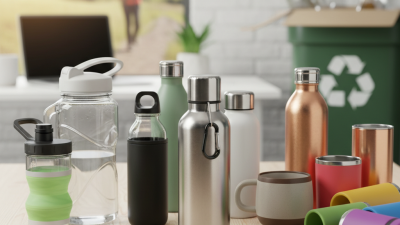
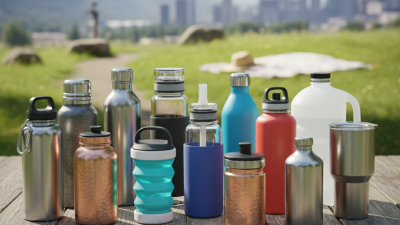
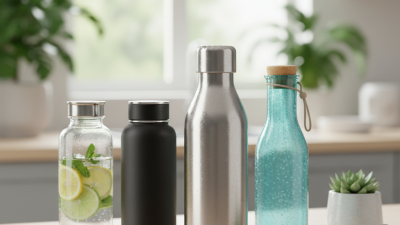
Water bottles come in various designs and materials, influencing their effectiveness and sustainability. Stainless steel options are applauded for their durability and insulating properties, while lightweight plastic bottles are popular for their portability. However, it's essential to consider whether these materials align with eco-friendly standards. Accessibility and ease of transport can sometimes overshadow environmental issues.
Choosing the best water bottle requires an understanding of personal needs and adventure types. Reflecting on preferences, such as size or ease of cleaning, can lead to a more satisfying experience. Identifying what's missing in the current market can help consumers make informed choices. Ultimately, the right water bottle can enhance hydration during every adventure, promoting both health and environmental consciousness.
Essential Features to Look for in Adventure Water Bottles
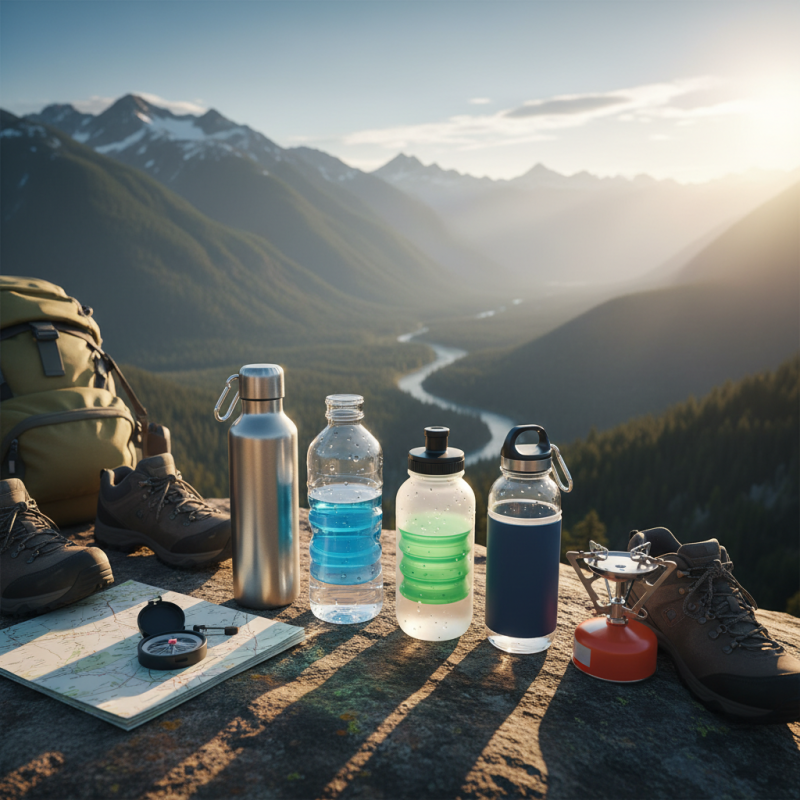
When choosing adventure water bottles, certain features can greatly enhance hydration efficiency. A lightweight design is essential for ease of transport. Many outdoor enthusiasts prefer bottles under 300 grams for day trips. A National Park Service report states that staying hydrated can improve performance by up to 30%. This is crucial when you’re hiking or biking.
Another critical factor is material. Look for BPA-free plastics or stainless steel. These materials are durable and safe for long-term use. Studies show that stainless steel bottles can keep beverages cold for up to 24 hours. Insulation is beneficial in both hot and cold climates. This can encourage you to drink more water, keeping dehydration at bay.
Capacity also matters. A 1-liter bottle is standard for day hikes, allowing for ample hydration without excess weight. However, larger bottles may be necessary for long treks. A survey conducted by outdoor magazines reveals that over 60% of adventurers carry extra water in various containers. Finding a balance between size and weight is crucial for an enjoyable experience. Consider features like wide mouths for easy filling and cleaning. Empty bottles can be a challenge to pack too. Reflect on these aspects to make a more informed choice.
Top Water Bottles for Hydration in Every Adventure
Top Materials Used in Durable Water Bottles for Outdoor Activities
When choosing a durable water bottle for outdoor adventures, the material is vital. Stainless steel is one of the top choices. It offers great insulation, keeping drinks cold or hot for hours. Additionally, it's resistant to rust and punctures. Many outdoors enthusiasts prefer stainless steel over plastic due to its longevity and safety.
Another popular option is BPA-free plastic. It is lightweight and easy to carry. However, it's essential to consider the bottle's durability, as cheaper plastics may not withstand rough conditions. Some users have reported wear and tear with prolonged use. It's a good idea to check reviews for insights on the product's longevity.
Glass is also an option for those who prioritize taste and purity. While glass bottles are heavier, they don't leach flavors or chemicals. However, they are more prone to breaking and may not be ideal for high-energy activities. Additionally, remember to check if the bottle is protected by a silicone sleeve to enhance durability.
Tips for selecting a water bottle include assessing your specific needs. Think about the duration of your adventure and the type of hydration required. Consider how easy the bottle is to clean as well. Lastly, pay attention to the cap’s design. A secure cap prevents leaks that can dampen a trip. Make your choice based on both functionality and personal preferences.
Best Water Bottles for Hiking: Lightweight Options for Easy Carrying
When hiking, hydration is vital. Studies show that even mild dehydration can impair your performance. Therefore, choosing a lightweight water bottle is essential for hassle-free carrying. A well-designed lightweight bottle can weigh as little as 70 grams. This significant reduction in weight allows hikers to focus on their journey and maintenance of energy levels.
Not all water bottles are created equal. Some models prioritize insulation while others focus on compactness. It’s important to strike a balance between features and weight. A recent report from the Outdoor Industry Association indicates that hikers who carry lighter bottles report greater comfort during long treks. However, potential drawbacks exist. A lighter bottle may sacrifice durability. Always consider the materials used, such as BPA-free plastic or stainless steel, to ensure safety and longevity.
Staying hydrated can be tricky. A common mistake is not drinking enough during breaks. Hikers tend to forget their hydration needs when focused on the trail. A lightweight bottle encourages more frequent sips, making it easier to maintain hydration levels. It's also crucial to clean your bottle regularly. Neglecting this can lead to bacteria growth, defeating the purpose of staying healthy on an adventure.
Innovative Hydration Solutions: Filters, Infusers, and More
When exploring the outdoors, staying hydrated is vital. Innovative water bottles are a game-changer in this regard. Many now come equipped with advanced filtration systems. These filters remove impurities, ensuring you have clean drinking water from natural sources. This feature is particularly useful for hikers and campers.
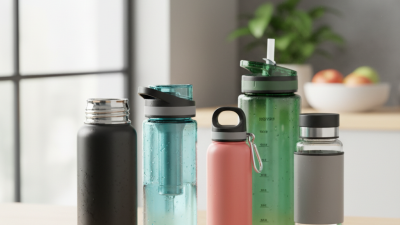
Infusers are another exciting addition. They allow you to flavor your water with fruits or herbs. Imagine sipping refreshing cucumber-infused water on a hot day. It’s not just about hydration; it’s an experience. However, cleaning these infusers can be a chore. Some people struggle to maintain them properly, leading to residue buildup.
Additionally, weight and durability are crucial. A lightweight bottle that withstands rough conditions is ideal for adventurers. Yet, some designs may not handle extreme temperatures well. It’s essential to balance these factors when choosing a bottle. Hydration systems should adapt to various activities, from running to backpacking. Finding the right one can be a journey in itself. Each choice reflects personal hydration needs and adventure style.