Top 10 Water Bottles for Every Adventure You Need?
In today's adventure-driven world, having the right water bottles is essential. They are not just containers; they are lifelines, supporting our hydration needs. Whether you're hiking up a mountain, cycling through the city, or enjoying a picnic in the park, the right bottle keeps you refreshed and energized.
Choosing from countless options can be overwhelming. Water bottles come in various sizes, materials, and designs, each promising to enhance your experience. Some are lightweight, perfect for backpacking trips. Others boast insulation, ensuring your drink is at the ideal temperature. It's crucial to reflect on your personal needs and preferences when selecting a bottle.
Many products claim to be the best, but factors like durability and ease of use matter. It’s not just about aesthetics; functionality should guide your choice. Each adventure requires different features, making it important to assess what will work best for you. Remember, the journey to finding the perfect water bottle can be as rewarding as the adventures themselves.
Essential Features to Consider in an Adventure Water Bottle
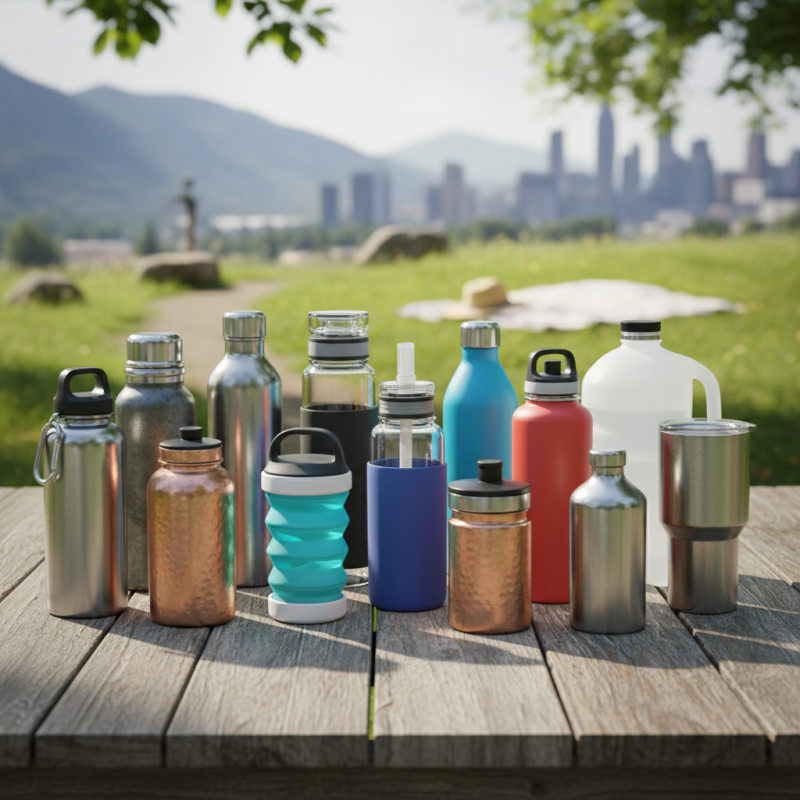
When choosing an adventure water bottle, essential features can make a significant difference. Materials matter. Research from the American National Standards Institute shows that BPA-free plastics and stainless steel are safe options. BPA can leach harmful chemicals, especially with heat. A study indicates that stainless steel bottles maintain water's purity better than plastic.
Consider insulation as well. According to the International Journal of Sports Nutrition, insulated bottles keep beverages cold for up to 24 hours. This feature is ideal for long hikes. Weight is another crucial factor. A lighter bottle helps reduce pack load, making it easier to carry during extended trips.
Additionally, the design should promote easy cleaning. A complex design may harbor bacteria, as noted in a report by the Journal of Environmental Health. Bottles with wide mouths are easier to clean and refill. Also, look for features like built-in straws or filters, enhancing convenience on the go. We often overlook how these elements affect our hydration experience. Unaddressed, they can lead to regrets during an adventure.
Top Choices for Hiking: Durable and Lightweight Options
When choosing a water bottle for hiking, lightweight and durability are essential. According to a recent industry report, a typical hiker drinks about two liters of water daily. If your gear is heavy, it could affect your overall energy levels during the hike. Lightweight options, often made with high-grade materials, should weigh less than a pound when full.
Many hikers overlook the importance of insulation. A good insulated bottle can keep your drink cold for hours, providing hydration even in hot weather. Some bottles manage to keep liquids cold for up to 24 hours, which can be vital on longer treks. However, some of these high-tech designs can be at odds with a minimalist approach. They may remind one of unnecessary complexities in a simple outdoor activity.
Another factor is size. Opt for bottles that fit easily into your backpack side pockets. Consider those around 500 mL to 1 liter. They strike a balance between capacity and portability. Yet, larger bottles are tempting for longer journeys. You might need to carry additional weight to ensure you have enough water. This is an important dilemma for many outdoor enthusiasts. Finding that balance is key for a successful and enjoyable hike.
Best Water Bottles for Camping: Insulation and Capacity
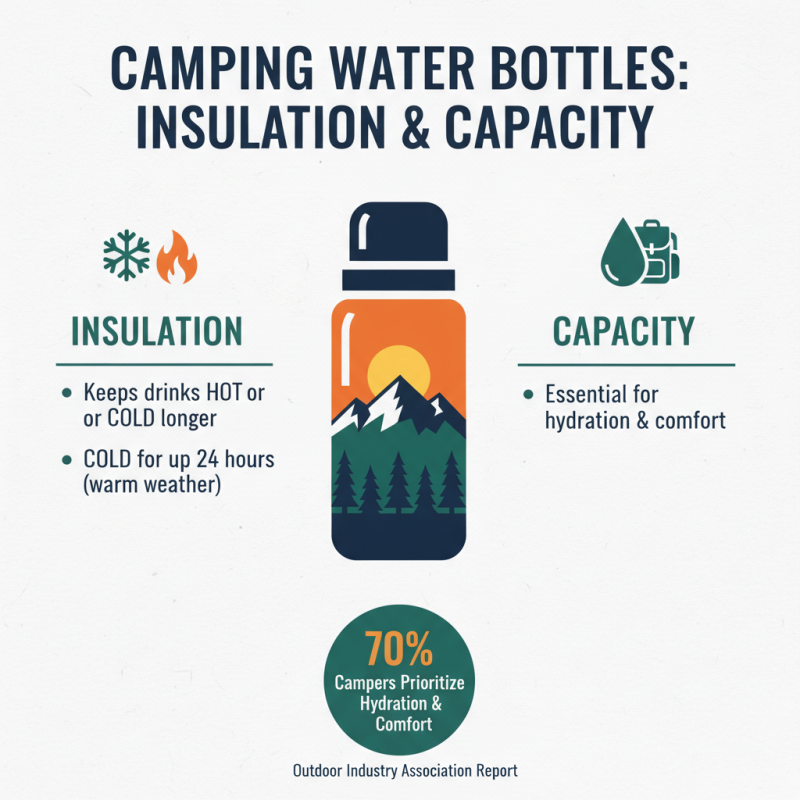
When choosing the best water bottles for camping, consider both insulation and capacity. Insulated bottles maintain temperature, keeping drinks hot or cold longer. According to a report by the Outdoor Industry Association, 70% of campers prioritize hydration and comfort. This underscores the importance of reliable water bottles during outdoor adventures. A well-insulated bottle can keep beverages cold for up to 24 hours, crucial for warm-weather trips.
Capacity is equally significant. A bottle that holds at least 32 ounces is often recommended. This size ensures you have enough water for day hikes or extended stays. Some hikers prefer two smaller bottles for easy transport. It’s essential to balance weight and volume when packing. Opting for a bottle made from lightweight materials can alleviate stress on your back without sacrificing capacity.
**Tips:** Always check for leak-proof designs. A spilled bottle can ruin gear. Consider your activity level and duration. If you're on the move, a compact bottle may be better than a larger one. Invest in high-quality materials. They withstand bumps and drops better than cheaper options. Remember, a durable bottle is an investment in your health and enjoyment outdoors.
Ideal Bottles for Biking: Ergonomic Design and Accessibility
When biking, hydration is crucial. Choosing the right water bottle can enhance your ride. An ergonomic design is essential. It should fit easily in your hand and your bike's cage. The bottle should be lightweight yet durable. Riders often struggle with bottles that are too heavy or unwieldy.
Accessibility is also important. A good bottle should allow for easy one-handed operation. This way, you can sip while maintaining focus. Look for bottles with wide mouths for easy filling and cleaning. Some bottles feature silicone grips for a secure hold. This can be especially helpful during bumpy rides.
However, not all bottles meet these needs perfectly. Some may leak or break under pressure. Others might not fit snugly in your bike's frame. It’s worth testing several options. Pay attention to how they perform during different weather conditions. Consider your personal preferences as well. A bottle's design can influence your biking experience. Keep these factors in mind as you seek the ideal hydration solution for your adventures.
Versatile Water Bottles for Daily Use and Outdoor Activities
When choosing a water bottle for daily use and outdoor adventures, versatility is key. A great water bottle can adapt to various situations. Whether you are commuting, hiking, or exercising, design matters. Look for bottles that are lightweight yet durable. Choose materials that are BPA-free and easy to clean.
Consider features like insulation. Double-walled bottles keep drinks cold for hours. Some bottles can even carry hot liquids. A secure lid is essential to prevent leaks. If you're going on a long hike, a larger capacity bottle might be necessary. Yet, it should still fit in your bag.
There are numerous options available. Not all water bottles are created equal. Some may not withstand rough conditions. Pay attention to reviews and user experiences. Sometimes, the perfect choice requires trial and error. It's okay to invest time in finding what works best for you. Remember, a reliable water bottle enhances your hydration experience, whether at work or on a trail.
Top 10 Water Bottles for Every Adventure You Need
| Model |
Material |
Capacity (L) |
Insulation |
Weight (g) |
Price ($) |
| Adventure Bottle |
Stainless Steel |
0.75 |
Double-Wall |
250 |
25 |
| Outdoor Explorer |
BPA-Free Plastic |
1.0 |
No |
150 |
15 |
| Urban Sipper |
Glass |
0.5 |
No |
300 |
20 |
| Hiker's Choice |
Aluminum |
1.2 |
Single-Wall |
200 |
18 |
| Sport Hydrator |
Plastic |
0.8 |
No |
120 |
10 |
| Eco-Friendly Bottle |
Bamboo & Glass |
0.6 |
No |
350 |
30 |
| Insulated Traveler |
Stainless Steel |
0.9 |
Vacuum |
280 |
28 |
| Compact Bottle |
Plastic |
0.5 |
No |
100 |
12 |
| Camping Jug |
Hard Plastic |
1.5 |
No |
600 |
35 |
| Travel Flask |
Stainless Steel |
0.7 |
Thermal |
270 |
27 |