2026 Best Water Bottles for Global Buyers What to Look For?
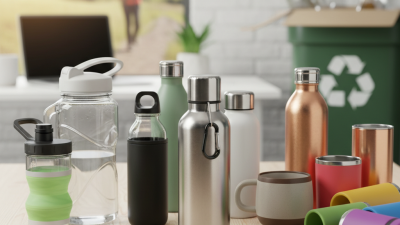
When it comes to choosing the right water bottles, buyers have many options. The market is flooded with various designs, materials, and features. Understanding these elements is key to making an informed choice. Not all water bottles are created equal, and what works for one might not suit another.
In this diverse landscape, factors like insulation, portability, and durability matter greatly. Keep in mind the environment too. Consider reusable bottles as a way to reduce plastic waste. While aesthetics can attract buyers, functionality should drive decisions. Many brands claim superiority, but genuine quality often lies in customer reviews and brand reputation.
Navigating through the plethora of options may feel overwhelming. Every buyer brings unique needs and preferences. It’s crucial to reflect on your lifestyle. Are you an athlete, a traveler, or a casual user? The ideal water bottle should complement your daily activities while providing convenience and reliability.
Key Features to Consider in Water Bottles for 2026
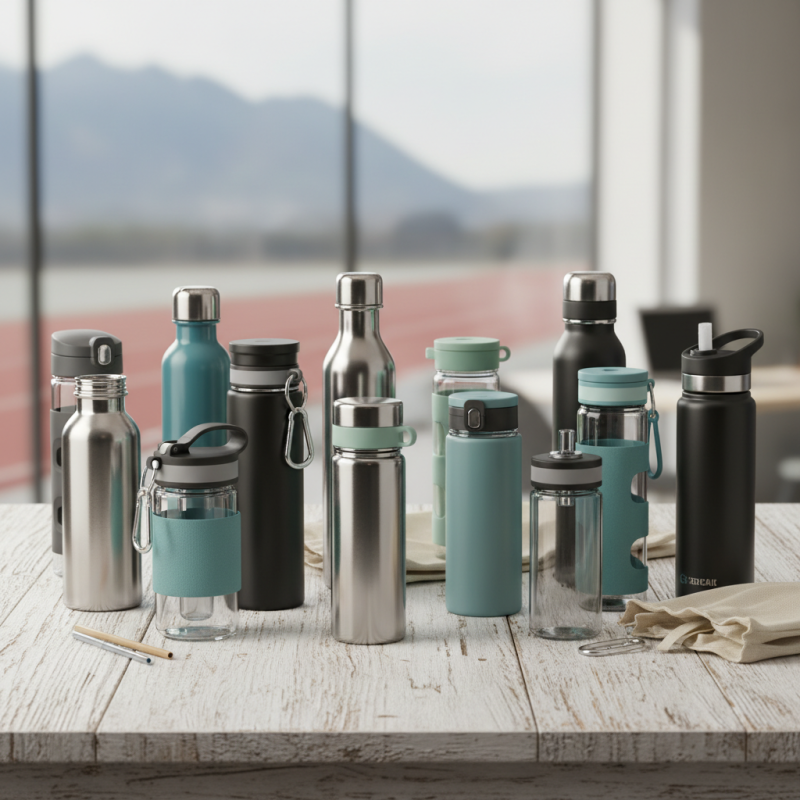
When selecting a water bottle for 2026, you should prioritize durability. Materials like stainless steel or BPA-free plastic offer resilience. This ensures the bottle withstands daily wear and tear. Additionally, consider the weight of the bottle, especially if you'll carry it during outdoor activities. A lightweight option can enhance portability.
Another crucial feature is insulation. Bottles that keep drinks cold or hot can greatly enhance your hydration experience. Double-walled designs maintain temperatures effectively. Check for leak-proof lids, too, as they prevent spills during travel. A well-designed cap allows for easy one-handed operation.
Personalization options can also be a factor. Custom designs or colors allow users to express their style. However, assess whether these features add value. Do they impact the bottle’s functionality? Being mindful of eco-friendliness is essential. Choose brands that prioritize sustainable materials. Reflect on your choices and their greater impact. Ultimately, a water bottle should enhance your everyday life while being responsible in your consumption.
Materials and Health Considerations in Water Bottle Selection
When selecting a water bottle, the materials used play a crucial role in health considerations. Many consumers are unaware that not all materials are safe. For instance, studies indicate that bisphenol A (BPA), commonly found in some plastics, can disrupt hormonal functions. The Mayo Clinic recommends avoiding plastics labeled with recycling codes 3 and 7, as they may leach harmful chemicals.
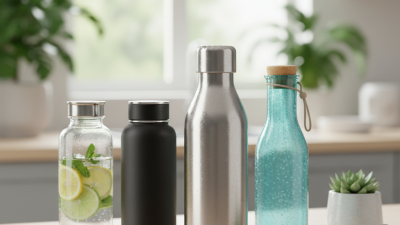
Stainless steel and glass are often regarded as the safest options. Research shows that these materials do not leach harmful substances, making them ideal for regular use. A report by the International Journal of Environmental Research and Public Health highlights that stainless steel bottles not only endure high temperatures but also resist corrosion over time. This durability means fewer replacements and less waste, which is a positive factor for eco-conscious consumers.
While many consumers may prefer lightweight plastic, it’s essential to consider both safety and environmental impact. The Global Plastic Waste Report reveals that approximately 300 million tons of plastic are produced annually, burdening the planet. This raises the question: how much do we value our health versus convenience? Choices in water bottles reflect our priorities and should consider both personal health and environmental sustainability.
2026 Best Water Bottles for Global Buyers - Materials and Health Considerations in Water Bottle Selection
| Material |
Health Safety Rating |
Durability |
Weight |
Price Range |
| Stainless Steel |
A+ |
High |
300g |
$15 - $30 |
| BPA-Free Plastic |
A |
Medium |
150g |
$10 - $20 |
| Glass |
A |
Medium |
400g |
$12 - $25 |
| Silicone |
A- |
Low |
100g |
$8 - $15 |
| Tritan Plastic |
A+ |
High |
200g |
$10 - $22 |
Design and Usability Factors for Global Buyers
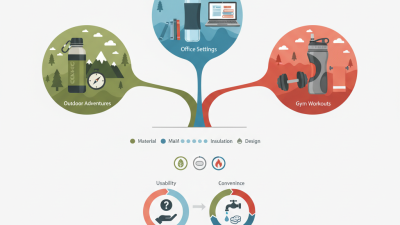
When selecting a water bottle, design and usability are paramount for global buyers. An effective water bottle should be lightweight yet durable. Consider how the bottle's shape fits in your hand or bag. A contoured design can make it easier to grip during activities. Also, the material choice matters. Stainless steel, plastic, and glass all have unique pros and cons.
Tips: Look for bottles with wide mouths. This feature allows for easy filling and cleaning. Check if the lid is leak-proof and fits securely. You want to avoid spills during travel.
Usability goes beyond just functionality. The aesthetics of the bottle can influence daily use. A stylish design may encourage you to stay hydrated. Color, texture, and overall visual appeal can play a role here. Another aspect is how easy the bottle is to open and close.
Tips: A well-designed cap or mouthpiece can significantly enhance your drinking experience. Think about your lifestyle, whether you need a bottle for the gym or office. This can affect your choice. The balance of usability and design is not always perfect, prompting some reflection on what truly meets your needs.
Eco-Friendly Options in the 2026 Water Bottle Market
In the quest for sustainability, eco-friendly water bottles are gaining popularity. As buyers become more conscious of their environmental impact, these bottles have evolved. They now come in various materials, including stainless steel and recycled plastics. Some designs offer insulation, keeping drinks hot or cold for hours.
When choosing an eco-friendly water bottle, consider the material. Stainless steel bottles last longer and minimize the need for replacements. Look for products that use recycled materials; these reduce waste and promote a circular economy. BPA-free plastics are also available, providing safer options for users.
Tips: Always check for certifications. This ensures the bottle meets environmental and safety standards. Pay attention to the bottle's lifespan. A durable bottle may seem costlier but could save money over time. Reflect on your habits—are you using your bottle regularly? Making small changes can lead to significant environmental benefits.
Trends and Innovations in Water Bottle Technology for 2026
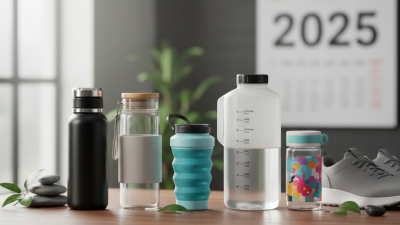
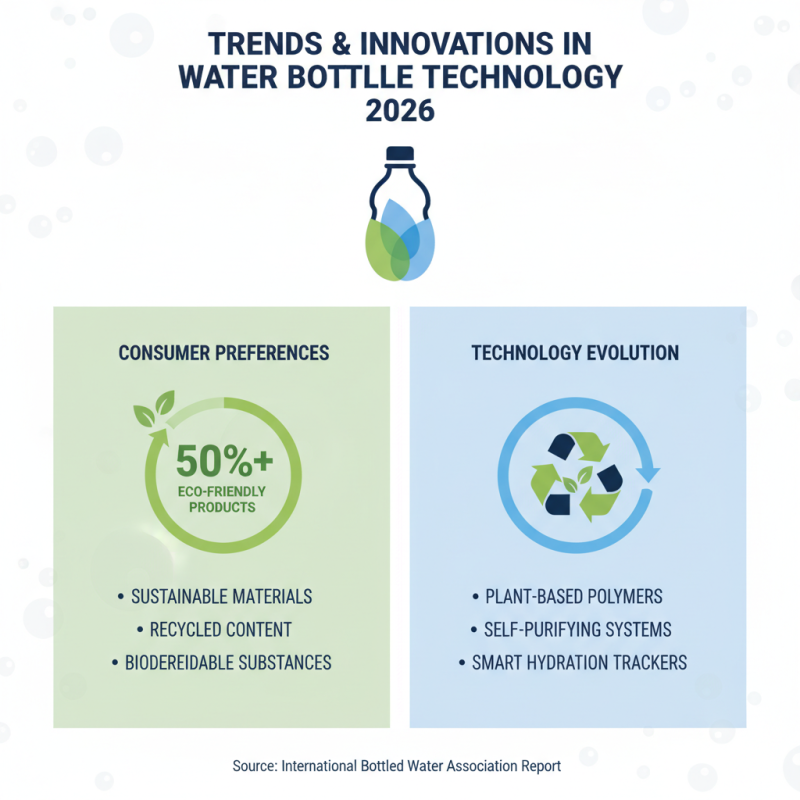
In 2026, water bottle technology is evolving rapidly. Shifts in consumer preferences are pushing for more sustainable materials. According to a recent report by the International Bottled Water Association, over 50% of buyers express a preference for eco-friendly products. This trend highlights the increasing demand for bottles made from recycled materials and biodegradable substances.
Smart technology is also making waves in this industry. Recent studies indicate that smart water bottles, which track hydration levels, are becoming more popular. In fact, a survey showed that nearly 30% of fitness enthusiasts use such devices regularly. These bottles often feature connectivity to mobile apps, offering an innovative way to stay hydrated.
Despite these advancements, challenges remain. Many brands struggle with high production costs for sustainable options. Additionally, consumers are still wary of smart products, citing concerns about data privacy. Balancing innovation with affordability and trust will be crucial in shaping the future of water bottles. The evolving landscape calls for continuous reflection about what consumers truly need and value in their hydration solutions.