Best Whisky Bottle for Collectors and Enthusiasts to Buy?
Whisky bottles have become more than just containers; they are coveted collectibles. A recent report from the Distilled Spirits Council highlights that whisky sales have surged nearly 50% over the past five years. This growth indicates a thriving market for enthusiasts and investors alike.
Renowned whisky expert, Dr. Fiona MacLeod, notes, "Collecting whisky bottles is not just a hobby; it’s a passion that reflects history and craftsmanship." Collectors often seek unique and limited editions to enhance their collections. Each bottle tells a story, carrying rich flavors and distinct aromas that captivate fans worldwide.
However, selecting the right whisky bottle can be daunting. Not every bottle guarantees appreciation in value. It's essential to research and understand market trends. Many newcomers feel overwhelmed. Yet, with the right guidance and knowledge, anyone can build a valuable collection. Each bottle can become a cherished piece, but the journey requires patience and insight.
Criteria for Selecting the Best Whisky Bottle for Collectors
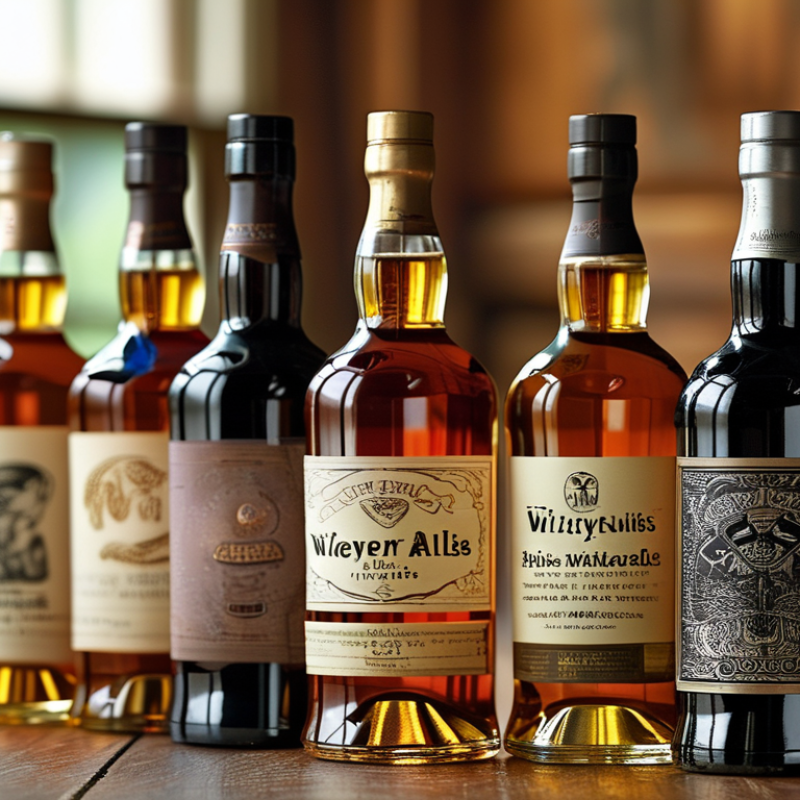
When selecting the best whisky bottle for collectors, several criteria should be considered. The distillery's reputation plays a crucial role. Established names often offer better value. Limited editions tend to appreciate more over time, attracting enthusiasts. Look for unique packaging or special releases that tell a story. A bottle's age can heavily influence its desirability. Older whiskies often have deeper flavors and are harder to find.
Don’t forget about the whisky's flavor profile. Your tastes may evolve. Collectors often seek diverse flavors, from smoky to fruity. Personal enjoyment should also guide your choices. An impressive collection reflects both knowledge and passion.
Tips: Keep an eye on auction sites. Prices can vary significantly. Consider joining whisky clubs for insights and tastings. Document your collection and preferences. This can help you make informed decisions in the future. Remember, collecting should be a journey, not just an investment. Enjoy the process of discovery and connection with fellow enthusiasts.
Top Whisky Brands and Distilleries for Enthusiasts
Whisky enthusiasts often seek out the best bottles from top brands and distilleries. Not every bottle is worth collecting. According to the Distilled Spirits Council, whisky sales surged by 17% in recent years, indicating growing interest. However, not every release sees the same appreciation in value.
Collectors should research distilleries with a strong heritage. Brands with unique production methods and rich histories often draw buyers. A study by the Scotch Whisky Association highlights the rise in collectible whiskies, particularly single malts. Their intricate flavors and complexity make them desirable, especially limited editions.
Some distilleries have positioned themselves as the crème de la crème of luxury whisky. Those brands usually showcase impressive packaging and storytelling. Yet, potential buyers must remain cautious. Market trends change, and not all highly-priced bottles appreciate over time. Investing in whisky can require a discerning approach and an understanding of market dynamics.
Best Whisky Bottle for Collectors and Enthusiasts to Buy
| Whisky Type |
Flavor Profile |
Age Statement |
ABV (%) |
Price Range (USD) |
| Single Malt |
Fruity, Floral |
12 Years |
40% |
50 - 100 |
| Blended Whisky |
Smooth, Balanced |
No Age Statement |
40% |
20 - 50 |
| Bourbon |
Rich, Sweet |
8 Years |
47% |
30 - 80 |
| Rye Whisky |
Spicy, Bold |
4 Years |
45% |
25 - 70 |
| Irish Whiskey |
Light, Smooth |
10 Years |
40% |
30 - 60 |
Limited Edition and Rare Bottles Worth Collecting
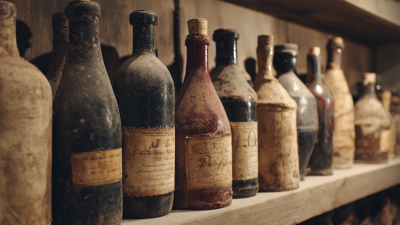
In the world of whisky collecting, limited edition and rare bottles hold a special allure. These bottles often tell a story, reflecting the heritage and craftsmanship behind each release. Collectors are particularly drawn to unique labels, special finishes, and exceptional age statements. They know that owning such bottles is not just about taste but also about appreciating artistry and history.
Many enthusiasts seek out whisky that combines rarity with uniqueness. A limited release can be a product from a special distillation event or a unique blend. Some bottles are adorned with elegant packaging, adding to their appeal on display. However, buyers should be cautious. Not every limited edition will appreciate in value. Sometimes, the hype overshadowed the actual quality. Researching the distillery's reputation is key.
Whisky collecting can be unpredictable. A bottle that seems a sound investment today may not hold its value tomorrow. It's important for collectors to enjoy the journey. They should learn from each acquisition. Every bottle, whether a bargain or an investment, adds to the tapestry of their collection story. Embracing this unpredictability makes the experience more rewarding. Engaging with other enthusiasts can also bring invaluable insights and shared passion.
Top 5 Rare Whisky Bottles Worth Collecting
Understanding Whisky Expressions and Age Statements
When diving into the world of whisky, understanding expressions and age statements is crucial. Whisky expressions indicate flavor profiles, production methods, and unique characteristics. These expressions can range from single malts to blended spirits, each offering distinct elements. According to industry reports, more than 70% of whisky collectors prefer single malts due to their complexity.
Age statements signify how long the whisky has been aged in barrels. It's common knowledge that older whiskies often yield richer flavors. However, age alone doesn’t determine quality. A well-aged whisky can sometimes be less enjoyable than a younger, expertly crafted spirit. In fact, data suggests that nearly 40% of connoisseurs will choose a non-age-statement whisky for its bold flavor.
It's also important to consider the rarity of expressions. Limited editions tend to appreciate more over time. Yet, the market can be unpredictable. Some bottles increase in value while others remain stagnant. Whisky collecting requires a keen understanding of trends and personal taste. Enthusiasts must strike a balance between investment potential and pure enjoyment.
Tips for Storing and Displaying Your Whisky Collection
Creating a captivating whisky collection is only part of the experience. The way you store and display your bottles can elevate your collection’s appeal. Proper storage preserves the whisky’s quality and enhances your display. Lighting, temperature, and humidity are crucial factors to consider.
Keep bottles upright. This prevents the cork from drying out and keeps the whisky in good condition. Avoid direct sunlight, as it can alter flavors. Store whisky in a cool, dark place. A temperature between 15-20°C is ideal. If you want to display your collection, use shelves that don’t overheat. Glass doors can add elegance and protect your bottles from dust.
When it comes to displaying your whisky, consider aesthetics and accessibility. Choose an organized method. Group bottles by type or color. This makes it easy to find your favorites. Use racks or display cases that show off the labels. Avoid clutter. A clean display is more inviting. Reflect on what works best for your collection and update it as needed.