Best Jam Jars for Bulk Purchase Worldwide?
In the bustling world of food preservation, choosing the right jam jars is crucial. Industry expert John Reynolds, founder of Jar Solutions, states, "Quality jars not only enhance the product but also the customer experience." This insight reflects the importance of selecting jam jars that meet various needs, from commercial production to home use.
When purchasing jars in bulk, consider factors like material and design. Glass jars are favored for their non-reactive properties and aesthetic appeal. However, not all glass is created equal. Some jars may not withstand high temperatures. This can impact the quality of your jams. It is essential to test different types before committing to bulk orders.
The market offers a variety of options, but finding the best jam jars can be overwhelming. Ensure the jars fit your specific needs. Reflect on previous purchases. Were they durable? Did they seal correctly? Asking these questions can guide your decision-making process. In the end, the right jam jar can make a significant difference in the preservation process.
Best Jam Jars: Understanding the Global Market Trends and Demand
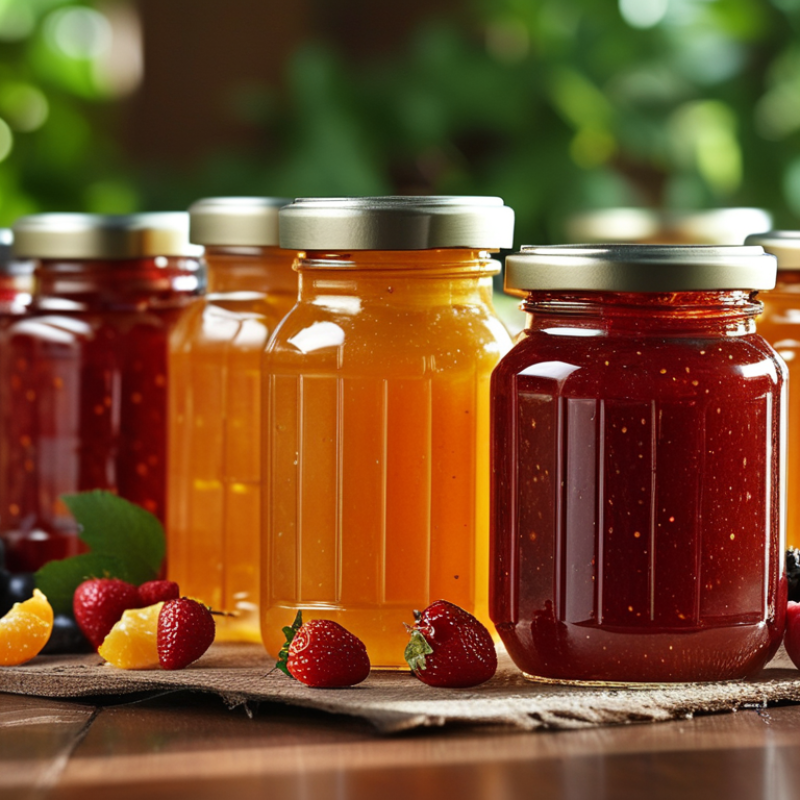
The global demand for jam jars has seen significant shifts in recent years. Consumers are becoming more conscious about sustainability. Eco-friendly packaging options are at the forefront of this trend. Many prefer glass jars over plastic ones due to their durability and recyclability. Moreover, jars with attractive designs can enhance product visibility, making them desirable for both producers and consumers.
As markets evolve, so do production methods. Manufacturers are exploring innovative designs that cater to various needs. Some jars feature unique shapes or user-friendly lids, appealing to modern lifestyles. Bulk purchasing is becoming popular among small businesses and startups. They appreciate the cost-effectiveness and convenience of buying in larger quantities. However, knowing when to restock remains a challenge.
Understanding regional preferences is also essential. Some areas favor larger jars, while others prefer smaller ones. Sales data often reflects seasonal variations, indicating peaks during holidays or festivals. Therefore, staying attuned to market demands can lead to better inventory decisions. The jam jar market continues to change. Adapting to these trends requires careful planning and insight.
Key Factors Influencing The Selection of Bulk Jam Jars Worldwide
When selecting bulk jam jars, several key factors come into play. Material is crucial. Glass jars are often preferred for their durability and aesthetic appeal. They are non-reactive, ensuring that the jam's flavor remains intact. Plastic jars, on the other hand, are lightweight and less fragile but may not provide the same premium feel. It's essential to weigh the pros and cons of each material based on your needs.
Size matters too. The capacity of the jar affects both storage and pricing. Smaller jars are easier to handle, while larger options suit bulk buyers better. Consider your target market. Are you catering to families or single consumers? Shape and design also influence consumer perception. A well-designed jar can enhance the product's shelf appeal, making it more likely to catch a shopper's eye.
Another factor to think about is the availability of lids and seals. A secure lid preserves freshness and prevents leaks, which is vital during transport. Some jars come with unique sealing options, providing additional security. Reflecting on sustainability is increasingly important as well. Consumers are leaning towards eco-friendly choices. Making a conscious decision regarding materials can enhance your brand’s reputation in a crowded market.
Top Manufacturers and Suppliers of Jam Jars for Bulk Purchase
When considering bulk purchases of jam jars, understanding key manufacturers and suppliers is essential. The global market for glass containers is projected to exceed $60 billion by 2025, reflecting the ongoing demand for quality packaging. Many manufacturers focus on sustainability, offering eco-friendly options that align with current consumer preferences.
In recent studies, 70% of food businesses highlighted the importance of packaging in product success. Suppliers often vary in quality, leading to potential challenges. Some manufacturers may not meet safety standards, raising concerns for bulk buyers. Additionally, sourcing from reputable suppliers reduces the risk of inconsistent jar sizes and shapes, which can impact production efficiency.
Communicating with multiple suppliers can reveal variations in pricing and quality. Buyers often find a disparity in production capabilities, making it crucial to assess potential partnerships. Consider factors such as lead times and shipping costs. This process may reveal that not all suppliers can meet large order quantities without compromising quality. Evaluating reviews and past performance can provide further insights into reliability, ensuring a more informed purchasing decision.
Comparative Analysis of Material Types for Jam Jars: Glass vs. Plastic
When selecting jam jars for bulk purchase, the material significantly impacts preservation quality. Glass and plastic are the most common options. Glass jars are known for their excellent barrier properties. They prevent oxygen transfer, which preserves flavor. According to industry reports, glass packaging can extend shelf life by 30% compared to plastic.
Plastic jars, on the other hand, are lighter and more cost-effective. They are less fragile, making them preferable for shipping. However, studies show that plastic can leach chemicals over time. Certain types of plastic may not protect the contents as effectively as glass. Depending on the type of fruit and sugar used, the choice of material may affect the jam's texture and taste.
It's essential to evaluate specific needs. If durability is critical, plastic might win. Yet for high-end products, glass remains a standard choice. Additionally, consider recycling aspects. Glass is infinitely recyclable and reusable without losing quality. In contrast, many plastics can only be recycled a limited number of times. Balancing cost, safety, and sustainability is key for bulk purchases.
Environmental Impact and Sustainability in Jam Jar Production and Usage
The production and usage of jam jars significantly influence our environment. Many jars are made from glass, which is recyclable and durable. However, the energy consumption involved in glass manufacturing raises concerns. Using recycled materials can help mitigate these impacts.
Additionally, sourcing materials from sustainable practices is crucial. Some manufacturers may not prioritize eco-friendly methods, leading to environmental degradation. It's essential to seek producers that commit to sustainable forestry and minimal waste. These practices not only preserve ecosystems but also support local communities involved in production.
While bulk purchasing of jam jars appears economical, the environmental cost should prompt reflection. Overproduction and the carbon footprint of transportation are real issues. Encouraging local sourcing can reduce these impacts and foster sustainable consumption habits. Choosing the right suppliers with ethical practices can lead to a positive change in the industry.
Environmental Impact of Different Jam Jar Materials