The Best Clear Glass Caps for Global Buyers in 2026?
As the global market for packaging continues to evolve, the demand for Clear Glass Caps is on the rise. According to industry reports, the glass packaging market is projected to reach $90 billion by 2026. This growth is attributed to consumer preferences for sustainable and innovative packaging solutions. Clear Glass Caps offer a visually appealing option while ensuring product integrity.
Manufacturers are responding to this trend by developing advanced designs. These innovative caps not only enhance the aesthetic appeal of products but also ensure a secure seal. Research shows that nearly 60% of consumers prefer transparent packaging, believing it reflects quality and authenticity. However, not all Clear Glass Caps achieve the desired balance of durability and design.
The complexity of sourcing reliable suppliers adds another layer of challenge. Companies must reflect on their options to find partners who align with sustainability goals. It's a pivotal time for global buyers in 2026 to make informed decisions about Clear Glass Caps, ensuring they meet both market demands and consumer expectations.

The Importance of Clear Glass Caps in Modern Packaging Solutions
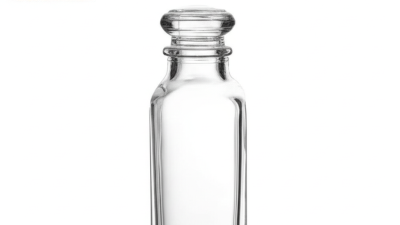
Clear glass caps are becoming increasingly important in modern packaging solutions. They offer a unique blend of functionality and aesthetics. Transparency allows consumers to see the product inside, enhancing trust. When products are visible, customers feel more confident in their choice.
However, the role of clear glass caps goes beyond mere appearance. They protect the integrity of the contents, providing an airtight seal. This is crucial for maintaining freshness, especially in food and beverage markets. Yet, not all clear glass caps are created equal. Some may crack easily or fail to create a proper seal. It's essential for manufacturers to prioritize quality during production.
As the demand for sustainable packaging rises, many companies are exploring eco-friendly alternatives. Clear glass caps can be recycled, reducing environmental impact. But there is still room for improvement in sourcing materials responsibly. This ongoing challenge highlights the need for innovation and better practices in the industry. Being transparent about sourcing and production can enhance brand credibility.
Key Features to Consider When Choosing Clear Glass Caps
When selecting clear glass caps, several key features impact functionality and aesthetics. First, consider the glass quality. High-quality glass ensures durability and a clear view of contents. Reducing imperfections is crucial. A flawless cap reflects professionalism.
Size and shape also matter. Caps should fit securely on containers. A snug fit prevents leaks and spillage. Pay attention to design. Smooth, rounded edges provide a safe handling experience. Sharp edges may pose risks, particularly in a busy environment.
The cap's sealing mechanism is vital too. An effective seal preserves freshness. Look for features like silicone gaskets, which enhance air-tightness. When evaluating options, ask yourself if the design matches your needs. Analyze how the cap complements your packaging. This critical assessment can lead to better purchasing choices.
Top Manufacturers of Clear Glass Caps in the Global Market
The clear glass caps market continues to expand, driven by their aesthetic appeal and functional benefits. Leading manufacturers focus on producing durable caps that meet diverse global demands. These caps are widely used in cosmetics, beverages, and pharmaceuticals. Their versatility and environmental appeal make them a popular choice for businesses.
Tips for buyers: Consider the quality and durability of the glass. Inspect supplier certifications to ensure compliance. Choosing caps with precise seals enhances product longevity. Collaborating with manufacturers that prioritize sustainability can also reflect positively on your brand.
It's essential to stay updated on industry trends. New designs and innovations may impact your choices. Engaging with reputable trade organizations can provide insights into reliable manufacturers. Evaluating the entire supply chain often reveals opportunities for improvement. As the market evolves, reevaluating your supplier relationships is vital.
Trends Influencing Clear Glass Cap Designs and Materials in 2026
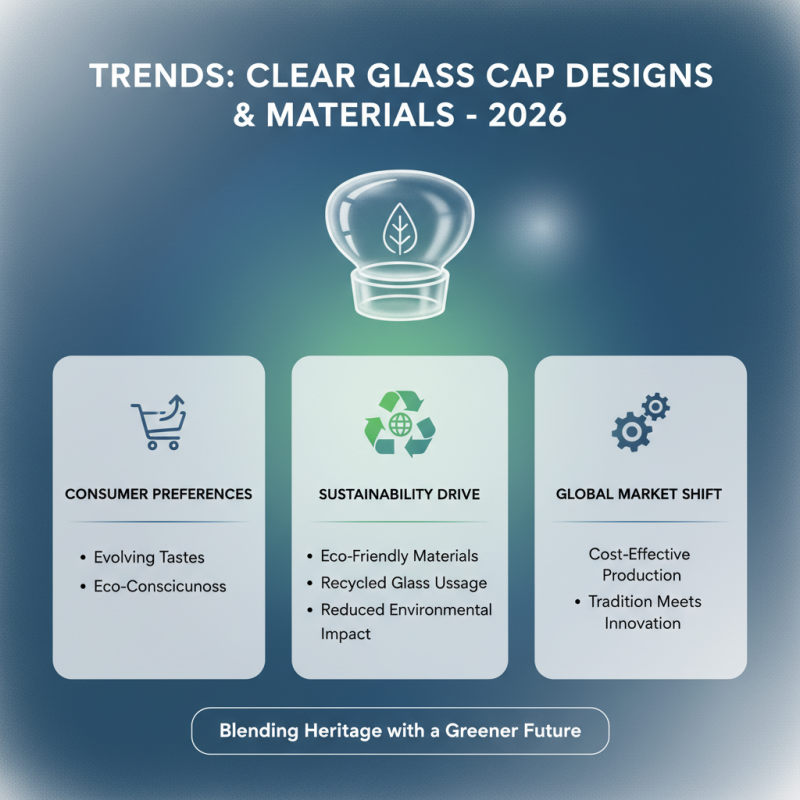
In 2026, clear glass cap designs will reflect evolving consumer preferences. Sustainability will play a big role. More brands will seek eco-friendly materials. This shift is key for global markets. Clear glass will blend tradition with innovation. Recycled glass may become more common. This could reduce production costs and environmental impact.
The aesthetics of clear glass caps will trend towards minimalism. Smooth, sleek designs will dominate. Shapes will become diverse, catering to various sectors. From cosmetics to beverages, versatility will be vital. However, this may challenge manufacturers. Balancing functionality with design remains essential.
Yet, imperfections in clarity or shape may emerge. Buyers may find inconsistencies in mass production. This could lead to reflections on quality assurance methods. Brands need to address these concerns promptly. Transparency in production processes will be crucial for trust. In such a dynamic market, adaptability will determine success.
Sustainability Practices in the Production of Clear Glass Caps
The production of clear glass caps is increasingly focused on
sustainability. Recent industry reports show that the glass
packaging sector accounts for about 30% of the global market. This
statistic highlights the importance of adopting eco-friendly practices.
Many manufacturers are now utilizing recycled glass, which reduces energy
consumption. In fact, using recycled materials can save up to 30% of energy compared to producing new glass.
Sustainability also involves reducing carbon footprints
throughout the supply chain. Implementing renewable energy sources in production facilities is a growing trend. A
study indicated that companies making this shift can lower greenhouse gas emissions by approximately 40%.
However, challenges remain, such as the need for better recycling infrastructure in various regions.
Tips: Look for producers who prioritize eco-friendly materials.
Investigate suppliers committed to waste reduction in their processes. Supporting businesses that value sustainability
can promote responsible consumption. It's essential to be aware of your choices and their impact on the environment.