Shandong Jasmine Packaging Co., Ltd.
Consulting

Leave Your Message
-
Phone
-
E-mail
-
Whatsapp
Shandong Jasmine Packaging Co., Ltd. is a trusted manufacturer of high-quality, food-grade glass bottles and jars. We work with a variety of glass materials—including premium flint and eco-friendly recycled glass—giving brands the flexibility to meet both performance and sustainability goals.
Our production facility features 12 advanced glass manufacturing lines, including fully automatic 8S machines, CNC 6S semi-automatic lines, and CNC manual equipment. This allows us to produce a wide range of containers, including super flint glass bottles known for their exceptional clarity and quality.
With over 25 years of industry experience, our multilingual team serves clients in more than 50 countries. From concept and mold design to decoration, packing, and global logistics, we offer complete, end-to-end packaging solutions tailored to your brand.
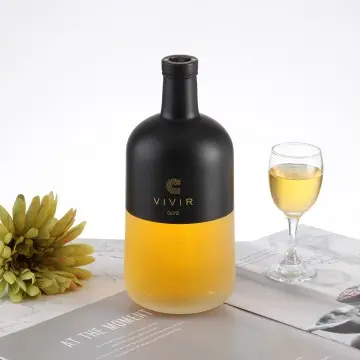
The global market for alcoholic beverages is undergoing a profound transformation, driven by a universal shift towards premiumization. Consumers are no longer just purchasing a drink; they are investing in an experience, a lifestyle, and a story. At the heart of this narrative are nice glass bottles for alcoholic beverages. The packaging serves as the silent ambassador of the brand, communicating quality, heritage, and value before the bottle is even opened. In today’s highly competitive commercial landscape, distilleries, wineries, and craft spirit producers recognize that the visual and tactile appeal of their glass containers is just as critical as the complex flavor profiles of the liquids they hold.
Industrially, the production of nice glass bottles for alcoholic beverages has evolved into a highly sophisticated sector. Historically, glassmaking was a labor-intensive craft. Today, it stands at the intersection of traditional artistry and cutting-edge industrial technology. High-end spirit brands demand flawless execution—from the crystal-clear transparency of super flint glass to the robust, weighty feel of a thick glass base (often referred to as a heavy punt). This demand has propelled manufacturers to upgrade their facilities, integrating state-of-the-art machinery to ensure absolute consistency across millions of units. The supply chain has also globalized, with specialized hubs in regions like China emerging as leaders in providing scalable, high-quality, and highly customizable glass packaging solutions to the world's most prestigious beverage conglomerates and boutique craft labels alike.
Furthermore, the psychological impact of glass cannot be overstated. Unlike plastics or aluminum, glass is chemically inert, ensuring that the delicate esters, congeners, and botanical notes of fine alcoholic beverages remain uncompromised over decades of aging and storage. When a consumer holds a meticulously crafted, nice glass bottle, the weight, the clarity, and the bespoke embossing trigger a subconscious association with luxury and authenticity. This is why the commercial strategy of almost every successful modern spirits launch heavily prioritizes custom mold creation and innovative glass decoration techniques.
Our company has invested 12 production lines including advanced 8S fully automatic machine, 3 production lines of CNC manual machines, 4 production lines of CNC 6S Semi-automatic machines. The 8S machine and CNC machines are used to produce first-grade glass containers – supper flint glass production. The daily output is 600,000pcs.
Modern production of nice glass bottles for alcoholic beverages utilizes AI vision systems to detect micro-fractures, ensuring 100% structural integrity and flawless super flint clarity.
Our CNC 6S lines guarantee that every custom curve, deep punt, and intricate embossing on your spirit bottle is replicated with micrometer accuracy, defining true luxury.
The industry of manufacturing nice glass bottles for alcoholic beverages is currently experiencing rapid innovation. One of the most prominent development trends is the uncompromising push towards sustainability and eco-friendly manufacturing. As global consumers become increasingly environmentally conscious, brands are demanding glass bottles made with higher percentages of Post-Consumer Recycled (PCR) glass. The technological challenge—and current triumph—lies in utilizing recycled materials without sacrificing the pristine, crystal-clear appearance required for premium spirits like vodka and gin. Advanced sorting and melting technologies now allow manufacturers to create eco-friendly bottles that look virtually identical to virgin super flint glass.
Another major trend is Smart Packaging. The integration of technology directly into nice glass bottles for alcoholic beverages is revolutionizing consumer engagement and supply chain security. Distilleries are now embedding Near Field Communication (NFC) chips into the heavy bases of glass bottles or utilizing laser-etched QR codes directly on the glass surface. This allows consumers to tap their smartphones against the bottle to verify authenticity, explore cocktail recipes, or trace the journey of the spirit from the agave field or barley farm straight to their glass. This digital layer adds immense value to the physical glass product.
Furthermore, Lightweighting has become a critical engineering focus. While a heavy bottle traditionally signifies luxury, the carbon footprint associated with shipping heavy glass globally is significant. Innovative glass manufacturers are using AI-driven topological optimization to design nice glass bottles that maintain thick, authoritative bases and broad shoulders, but utilize thinner glass walls in structurally safe areas. This reduces the overall weight of the bottle, significantly cutting down on global shipping emissions, while preserving the premium tactile experience that consumers expect when pouring a high-end alcoholic beverage.
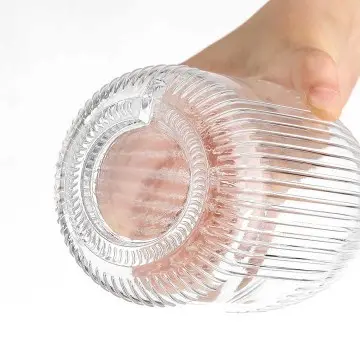
Finally, the trend of Bespoke Customization is at an all-time high. Standard, off-the-shelf bottles are no longer sufficient for brands looking to disrupt the market. Distilleries are investing heavily in proprietary molds. From geometric, asymmetrical shapes for modern tequila brands to vintage, apothecary-style ribbed glass for artisanal gins, the ability of a manufacturer to translate complex, avant-garde designs into mass-producible glass reality is the new gold standard in the industry.
We welcome customers from around the world to visit our production sites and discuss new projects face-to-face. Our experienced team works closely with each client to develop custom glass packaging solutions that align with their brand goals and market needs.
At Jasmine Packaging, we’re committed to high-quality results, responsive service, and long-term partnerships that support your business growth.
The concept of nice glass bottles for alcoholic beverages is not monolithic; it is highly specialized based on the specific type of spirit being bottled. Different alcoholic beverages require fundamentally different glass architectures, aesthetic treatments, and functional designs to succeed in the market.
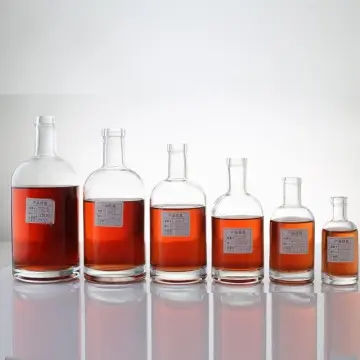
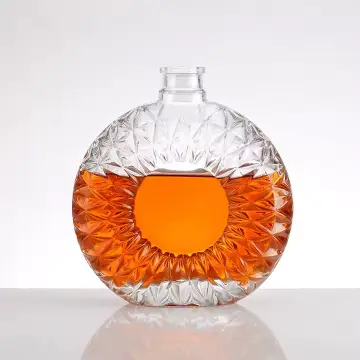
In the world of dark spirits, authority and heritage are paramount. Nice glass bottles for these alcoholic beverages typically feature broad, masculine shoulders and exceptionally heavy bases (punts). The thick glass not only provides stability but acts as a magnifying lens, enhancing the rich amber and mahogany hues of the aged liquid. Custom embossing is heavily utilized here—distilleries often mold their founding years, family crests, or regional maps directly into the glass. The tactile feel of raised glass lettering communicates tradition and uncompromising quality to the connoisseur.
Vodka marketing revolves around purity, filtration, and crispness. Therefore, nice glass bottles for this alcoholic beverage demand the highest grade of super flint glass available. Any hint of iron-induced green tint is unacceptable. These bottles often employ tall, sleek, and minimalist silhouettes. To further differentiate, brands frequently utilize advanced post-production decorations such as acid-etching (frosting) to give the bottle an icy, chilled appearance, or direct-to-glass metallic silk-screen printing to achieve a modern, luxurious, label-less look.
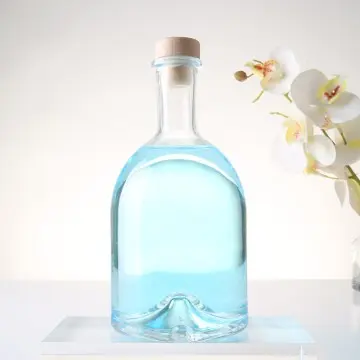
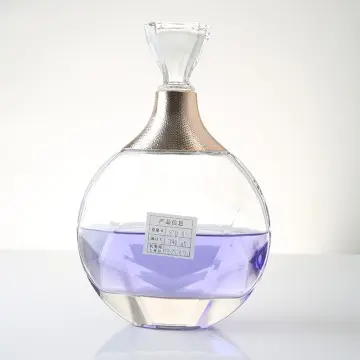
The agave spirits sector is currently the most dynamic space for innovative glass design. Nice glass bottles for these alcoholic beverages often embrace their artisanal Mexican roots through unique, culturally inspired forms. We see a high demand for geometric shapes, asymmetrical profiles, and even rustic, bubbly glass textures that mimic hand-blown traditional techniques. High-end Añejo and Extra Añejo tequilas are frequently packaged in decanter-style glass bottles featuring intricate glass stoppers, positioning the product not just as a beverage, but as a centerpiece for the home bar.
Gin is defined by its complex blend of botanicals, and its packaging often reflects this herbal, apothecary nature. Nice glass bottles for gin frequently utilize colored glass—deep sapphire blues, emerald greens, or soft blush pinks—to protect the delicate botanical oils from UV light degradation while catching the consumer's eye. Ribbed textures, vintage medicine-bottle shapes, and short, stout profiles are incredibly popular in this application scenario, conveying a sense of small-batch craftsmanship and mixological expertise.
Ultimately, the engineering and design of nice glass bottles for alcoholic beverages must be a symbiotic process. The glass manufacturer must deeply understand the brand's target demographic, the specific chemical requirements of the liquid, and the physical demands of the bartender or consumer who will ultimately pour it. By leveraging advanced CNC mold-making and high-purity glass formulations, manufacturers can elevate a simple beverage into a global luxury icon.
Discover our extensive portfolio of custom and bulk glass solutions engineered for the global alcoholic beverage industry.