How to Use Glass Sealing Lids for Perfect Food Storage?
In the world of food preservation, "Glass Sealing Lids" have emerged as a game changer. Expert Sarah Jenkins, a food storage specialist, emphasizes their importance: "Glass Sealing Lids provide an airtight seal that can prolong the freshness of your food." This innovative storage solution not only keeps food safe but also helps minimize waste, a crucial consideration for the environmentally conscious.
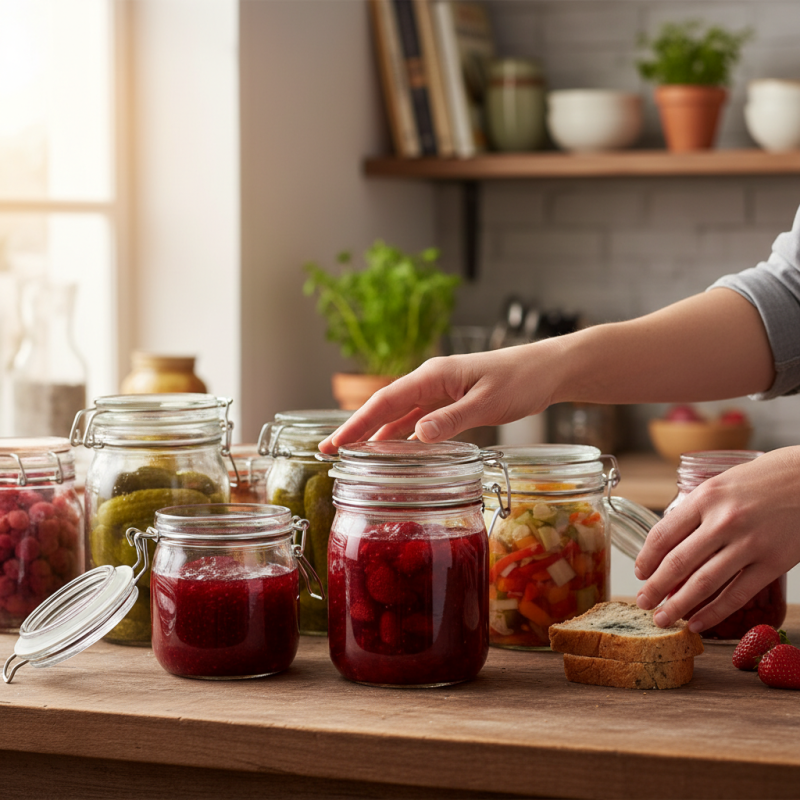
Using Glass Sealing Lids can elevate your food storage practices, allowing you to enjoy meals that taste fresher for longer. Imagine opening a jar of homemade jam that still captures the essence of summer months later. However, not every preservation attempt goes flawlessly. Factors like poor sealing techniques or improper jar choices can lead to disappointment. Reflecting on these mishaps can guide you to better practices.
Exploring the utility of Glass Sealing Lids invites creativity as well. Experimenting with different foods and storage methods can yield astonishing results. Yet, mistakes are part of the learning curve. Learning from a jar of spoiled pickles or a failed fermentation can push you to hone your skills even further. Embracing both success and failure is key to mastering food storage.
Understanding the Basics of Glass Sealing Lids for Food Storage
Glass sealing lids are a popular choice for food storage. They create a strong seal that helps preserve freshness. Understanding how these lids work can make your food storage more effective. The lids, when properly applied, can keep air out, which prevents spoilage. Using them can enhance the longevity of various foods.
To use glass sealing lids effectively, it’s essential to ensure a good fit. The jars should be clean and free of debris. Sometimes, I find that the lids don’t seal perfectly. This can lead to leaks and spoilage. It's crucial to check the temperature when sealing hot foods, as rapid cooling can cause the lid to pop.
The process may require some practice. After sealing, always inspect the jars. If a lid pops back, it didn't create a proper seal. This can be frustrating, especially after spending time prepping food. There’s also a learning curve when experimenting with different types of food. Some items may not seal well, and it’s a reminder to tweak your methods. Each attempt is a lesson in perfecting the art of food preservation.
How to Use Glass Sealing Lids for Perfect Food Storage?
| Dimension |
Value |
Notes |
| Material |
Glass |
Non-reactive, safe for food |
| Seal Type |
Vacuum Seal |
Prevents air exposure |
| Suitable For |
Dry and Wet Foods |
Versatile food storage |
| Capacity Options |
Ranges from 0.5L to 5L |
Different sizes for different needs |
| Storage Life |
Up to 12 months |
Depends on food type and storage conditions |
| Cleaning Method |
Dishwasher Safe |
Easy to clean and maintain |
Choosing the Right Type of Glass Sealing Lids for Your Needs
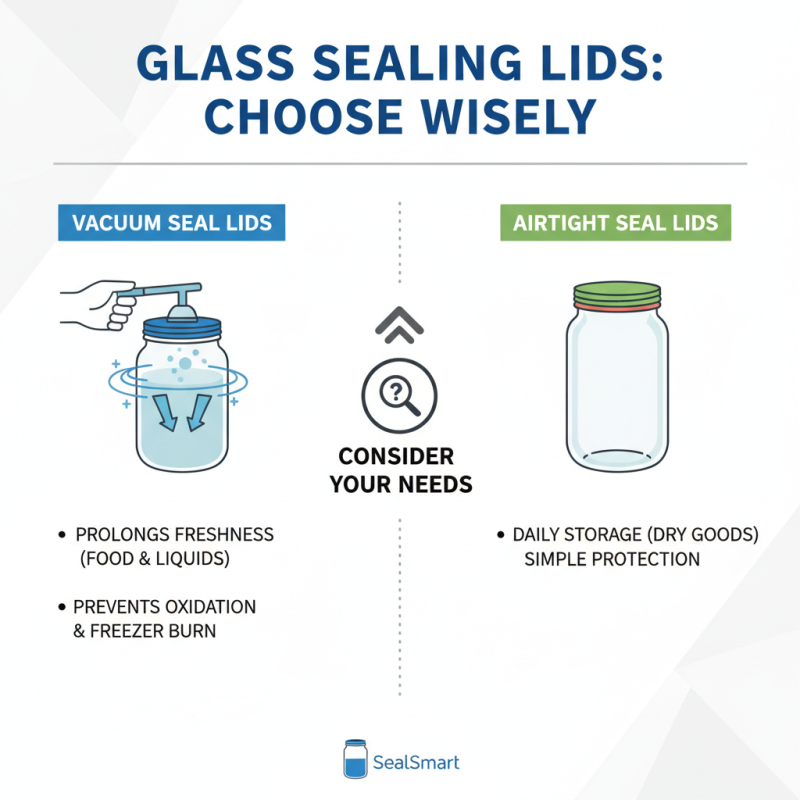
When selecting glass sealing lids, consider your storage needs. Different types are available, each with unique features. Some lids are designed for vacuum sealing, while others may only create a simple airtight seal. Understanding your requirements will guide your choice.
For instance, if you plan to store liquids, look for lids that provide a tight seal. A loose lid can lead to leaks and spoilage. On the other hand, if you are storing dry foods, any type of lid might suffice. However, not all lids fit every jar. Check compatibility to avoid frustration.
Take some time to assess your options. Ensure that the lid material is durable and easy to clean. Some users find the lid's locking mechanism challenging. It may require practice to seal properly. Experimentation is key for achieving the best results in food storage.
Step-by-Step Guide to Properly Seal Food with Glass Lids
Using glass sealing lids can greatly enhance food storage. It's crucial to seal food properly to ensure freshness. A study by the Food Science Institute shows that proper sealing can increase shelf life by 30%. This means less food waste and better savings.
To begin, choose a clean glass jar with a matching lid. Fill the jar with your food item, leaving sufficient headspace. This space is critical for a tight seal. Many overlook this aspect, leading to spoilage. After filling, place the lid on securely. It's essential to check for any cracks in the glass, as they compromise the seal.
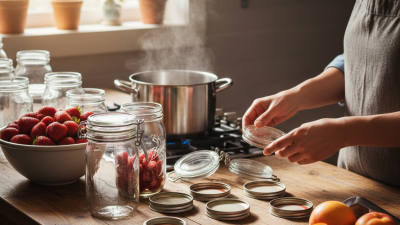
Next, apply heat if necessary. Some glass lids require a boiling process to create a vacuum seal. This method can be imperfect if you don't monitor the temperature closely. The USDA notes that improper sealing leads to an elevated risk of bacterial growth. Always double-check that the lid has created a tight seal before storing the jar in the pantry or fridge.
Best Practices for Storing Food with Glass Sealing Lids
Using glass sealing lids for food storage can be highly effective. These lids create an airtight seal, preserving food freshness. Studies show that proper sealing can extend the shelf life of many foods by up to 50%. It's crucial to ensure the rim of the glass jar is clean. Any residue may prevent a secure seal.
Temperature is another consideration. Glass containers can handle a wide range of temperatures, but extreme changes may crack them. For instance, placing a hot jar directly in the fridge can cause breakage. Also, consider leaving some space when sealing; this is often overlooked. A small gap helps avoid pressure buildup.
When it comes to storage, visibility matters. Clear glass allows you to see contents easily, reducing the chance of forgetting items. Some users, however, find it hard to gauge freshness just by appearance. Keeping a label can help. According to industry reports, almost 30% of food waste occurs due to unclear expiration dates. Rethinking how we use glass sealing lids can lead to better eating habits and less waste.
Cleaning and Maintaining Glass Sealing Lids for Longevity
Cleaning glass sealing lids is essential for their longevity. Start by washing them in warm, soapy water. Avoid abrasive sponges that can scratch the glass. Rinse thoroughly to eliminate soap residue. To remove stubborn stains, consider soaking the lids in vinegar for a short time. This method works wonders for tough spots without damaging the material.
Maintaining glass lids also involves proper drying. Use a soft cloth to dry them completely. Leaving moisture can lead to mold growth, which is a common concern. Store the lids in a cool, dry place, away from direct sunlight. A little care here can prevent unnecessary wear and tear. Always inspect the lids before use, checking for chips or cracks. Such imperfections can compromise food storage safety. Regular attention to these details helps ensure the longevity of your glass sealing lids.