Top 10 Whisky Bottle Brands You Should Know?
Whisky is more than just a drink; it’s a culture. The right Whisky Bottle can tell a story. As whisky expert Michael Jackson once said, "Each whisky bottle is a unique experience waiting to be explored." This exploration leads us to the top brands that define excellence in the whisky industry.
In this world of whisky, choices abound. From single malts to blended varieties, every bottle has its own character. Brands like Glenfiddich and Macallan are renowned, but others deserve recognition too. Some people overlook hidden gems. Smaller distilleries often create exceptional whiskies that match, or even surpass, well-known brands.
Yet, with so many options, finding your ideal whisky bottle can be intimidating. It's not just about price; it's about passion and preference. Experimentation is key. Don't just stick to the conventional choices. Sometimes, the unexpected flavors in lesser-known bottles can surprise you. Engaging with whisky is a journey, and each bottle offers a chance for discovery.
Understanding Whisky: An Introduction to Popular Styles and Regions
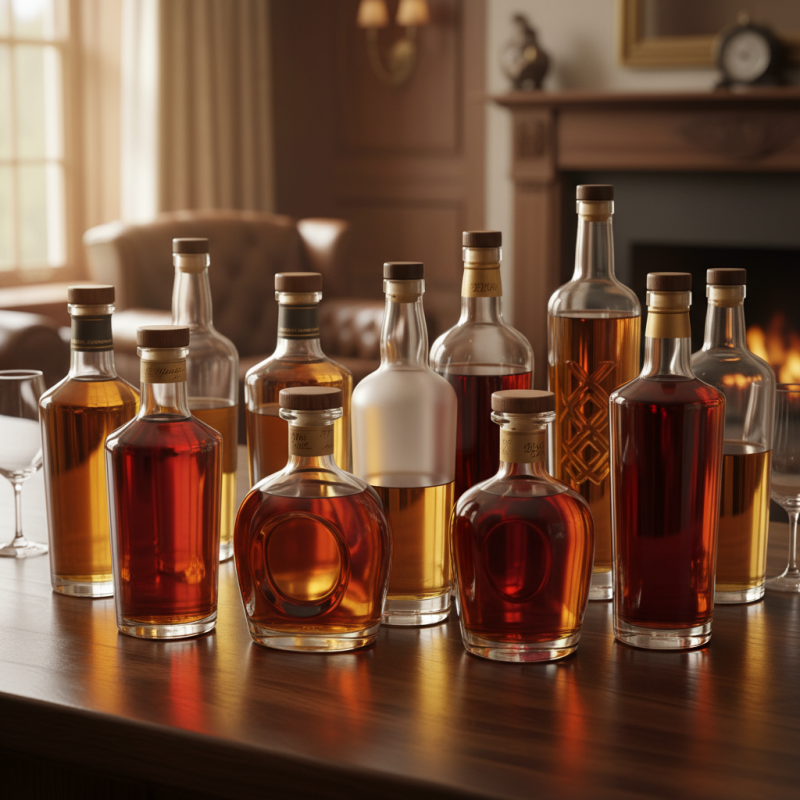
Whisky is a complex spirit, rich in tradition. Understanding its various styles helps in appreciating its depth. According to industry reports, Scotch whisky accounts for roughly 25% of global whisky sales. This signifies the importance of Scottish methods. In comparison, American bourbon has seen a rise in popularity. Its sweeter profile attracts many new drinkers.
Regions play a critical role in whisky production. Scotch comes from Scotland, while bourbon originates in the United States. Other notable styles include Irish whiskey and Japanese whisky, each offering unique characteristics. An intriguing fact: Japanese whisky has gained traction in global competitions. Critics often praise its meticulous craftsmanship.
The age of whisky significantly influences its taste. Many enthusiasts seek bottles aged over ten years. However, aging is not a one-size-fits-all approach. Some younger whiskies possess vibrant flavors. But are we sometimes too focused on age? The whisky landscape is diverse. Each bottle tells a story, but it requires patience to explore.
Key Factors Influencing the Quality of Whisky Brands
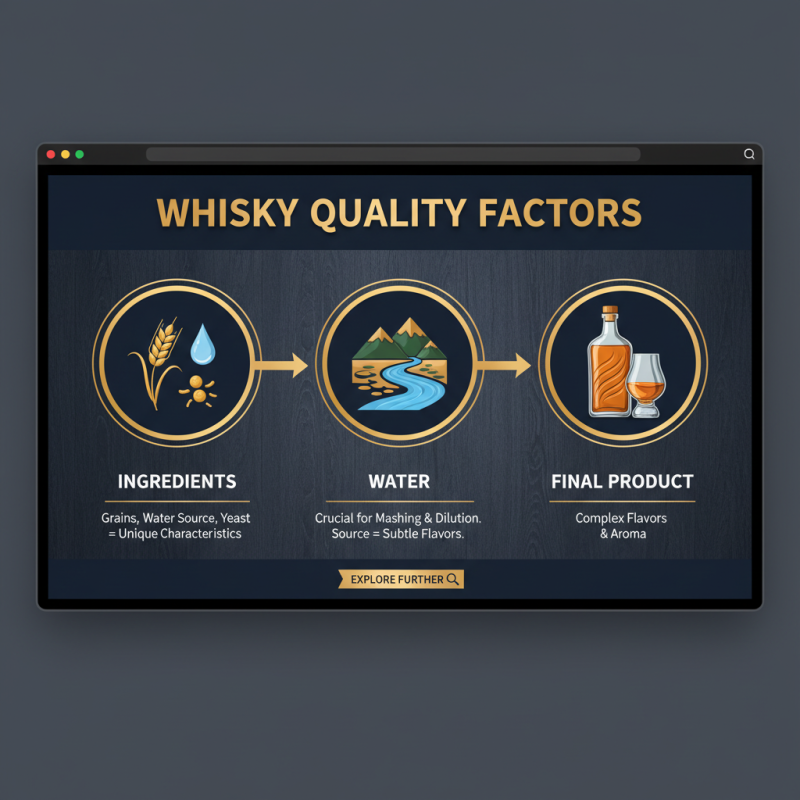
When exploring whisky quality, several key factors come into play. The ingredients used are paramount. Quality grains, water source, and yeast can significantly influence the final product. Each of these elements adds unique characteristics. For instance, water plays a critical role in both mashing and dilution processes. The source of water can impart subtle flavors to the whisky.
Another important aspect is the distillation process. The size and shape of the stills affect the efficiency of alcohol extraction. Traditional pot stills often offer richer flavors. In contrast, column stills can create a cleaner spirit. The distillation technique requires careful control. Even slight variations can lead to unforeseen results.
Aging demands attention as well. The type of cask used leaves a mark on the whisky. Different wood types contribute distinct flavors. Changes in temperature during aging can impact maturation. Some distilleries take risks with aging. A longer maturation isn’t always better. The balance between wood and spirit must be perfect. Quality control throughout these processes can make or break a whisky. Each decision resonates through every bottle produced.
Top 10 Whisky Bottle Brands: An Overview of Their Unique Features
When exploring the world of whisky, there are brands that stand out. Each has its own unique features that appeal to different palates. Some offer smoky flavors, while others present smooth, sweet notes. Understanding these brands can enhance your whisky experience significantly.
For instance, certain brands utilize unique aging processes. They might use barrels made from specific woods or employ different charring techniques. This impacts the whisky's flavor profile greatly. Research shows that whisky aged longer generally retains richer flavors. However, not all whisky gets better with age. Some can lose character.
Tip: Experiment with different styles. You might prefer lighter, floral notes over full-bodied, peaty flavors. Tasting various brands side by side can reveal surprising preferences.
Additionally, the region of production plays a crucial role. Whiskies from coastal areas often carry a briny taste, while those from inland regions tend to be fruitier. Reports indicate that consumers are increasingly drawn to regional specialties. They appreciate unique characteristics tied to geographical factors.
Think about the whisky's story. Each bottle tells a tale of tradition and innovation. This aspect can add to the enjoyment. Remember, quality doesn’t solely depend on price. Sometimes, a hidden gem offers the best taste. Take your time in selecting. Enjoy the journey.
Tasting Notes: What to Expect from Each Top Whisky Brand
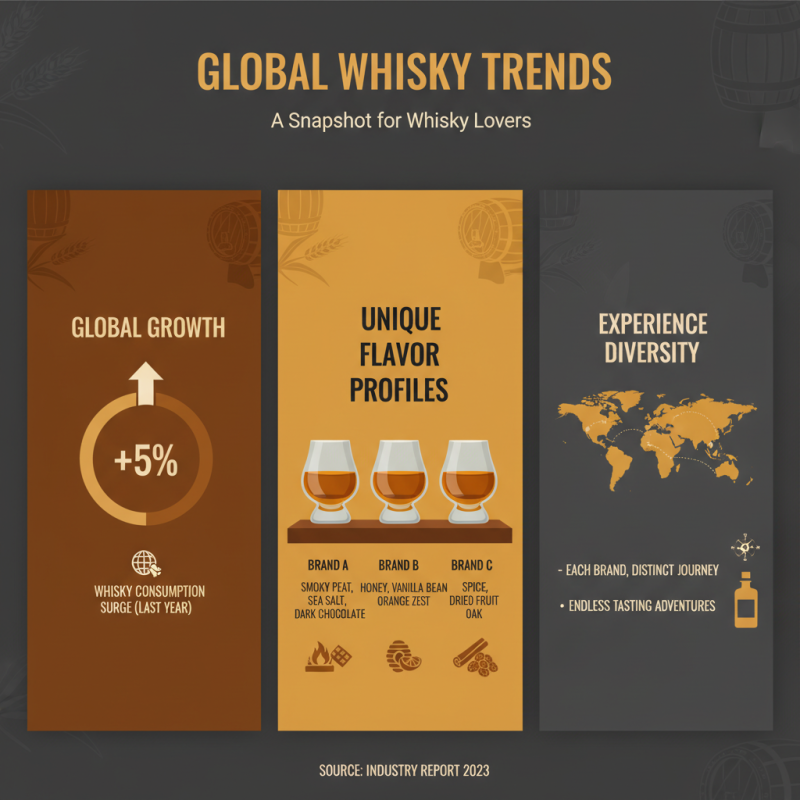
Whisky lovers around the world indulge in unique flavor profiles. Each brand offers a distinct experience. According to a recent industry report, whisky consumption surged by 5% last year. Tasting notes reveal what to expect from popular whisky brands.
For example, many brands showcase smoky notes. This is due to the use of peat during production. Aromas can range from rich vanilla to spicy oak. Some whiskies surprise drinkers with unexpected hints of fruit or herbal undertones. In fact, 70% of consumers prefer complex flavor profiles, reflecting a growing trend in artisan distilling.
However, not all top brands maintain the same quality. Some whiskies may taste overly sweet or lack depth. It’s essential to explore different brands to find what suits your palate. A professional tasting usually reveals hidden layers. Many enthusiasts recommend trying a variety of expressions from each brand. This practice helps identify personal favorites. Remember, the best whisky is subjective. Trust your taste buds and enjoy the exploration.
Collecting and Investing in Whisky: Tips for Enthusiasts and Newcomers
Collecting whisky can be an exciting journey. For newcomers, understanding market trends is crucial. According to recent reports, the whisky market is projected to grow by over 6% annually through 2027. This rise is partly due to the increasing interest among younger consumers.
Investing in whisky requires careful consideration. It's vital to know the difference between limited editions and mass-produced bottles. Limited releases often appreciate significantly. Some bottles have been known to double in value within five years. However, not every whisky will yield high returns. The focus should be on quality, provenance, and rarity.
Documentation is key. Keeping a detailed log of purchases and sales helps track investments. Photos of bottles can also be valuable for insurance purposes. Additionally, it's essential to store bottles properly. Light, humidity, and temperature can affect quality. Many collectors overlook these details. It's important to create a space that preserves value. Remember, every choice affects your collection's future worth.
Top 10 Whisky Bottle Brands You Should Know
| Brand Rank |
Whisky Type |
Average Price (USD) |
Alcohol by Volume (ABV) |
Country of Origin |
| 1 |
Single Malt |
$60 |
40% |
Scotland |
| 2 |
Blended Scotch |
$40 |
40% |
Scotland |
| 3 |
Bourbon |
$50 |
45% |
USA |
| 4 |
Irish Whiskey |
$55 |
40% |
Ireland |
| 5 |
Rye Whiskey |
$70 |
46% |
USA |
| 6 |
Tennessee Whiskey |
$45 |
40% |
USA |
| 7 |
Canadian Whisky |
$35 |
40% |
Canada |
| 8 |
Japanese Whisky |
$80 |
42% |
Japan |
| 9 |
Cask Strength |
$90 |
58% |
Scotland |
| 10 |
Small Batch |
$75 |
50% |
USA |