In today's fast-paced world, choosing the right water bottle has become more important than ever. Not only do water bottles serve as essential tools for staying hydrated, but they also play a crucial role in promoting eco-friendly habits. According to leading environmental advocate Dr. Sarah Johnson, "The right water bottles can significantly reduce our reliance on single-use plastics, paving the way toward a more sustainable future." This emphasizes the need for consumers to be mindful of the products they choose in their daily lives.
As we explore the top water bottles for everyday use, we highlight not only functionality but also the environmental impact that comes with each option. From stainless steel designs that retain temperature to stylish reusable models made from recycled materials, the variety of water bottles available caters to diverse preferences and lifestyles. In our increasingly eco-conscious society, opting for water bottles that align with sustainable practices is not just a trend, but a responsibility we all share.
Ultimately, the goal is to empower individuals to make informed choices when selecting water bottles that aid their hydration needs while also supporting the planet. As more consumers become aware of the benefits of using eco-friendly water bottles, it is a step towards reducing plastic waste and conserving our precious resources.
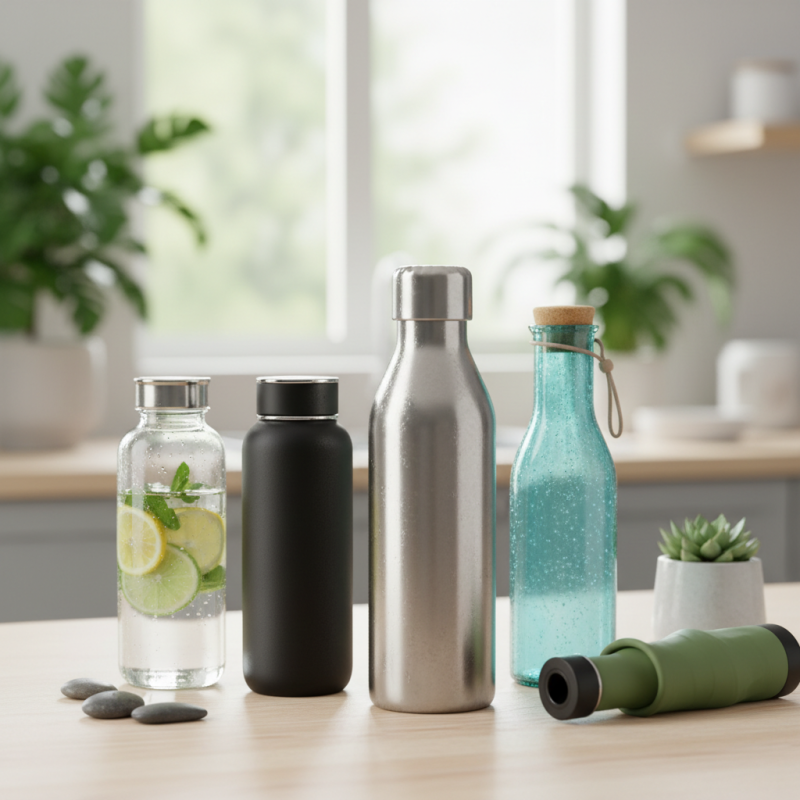
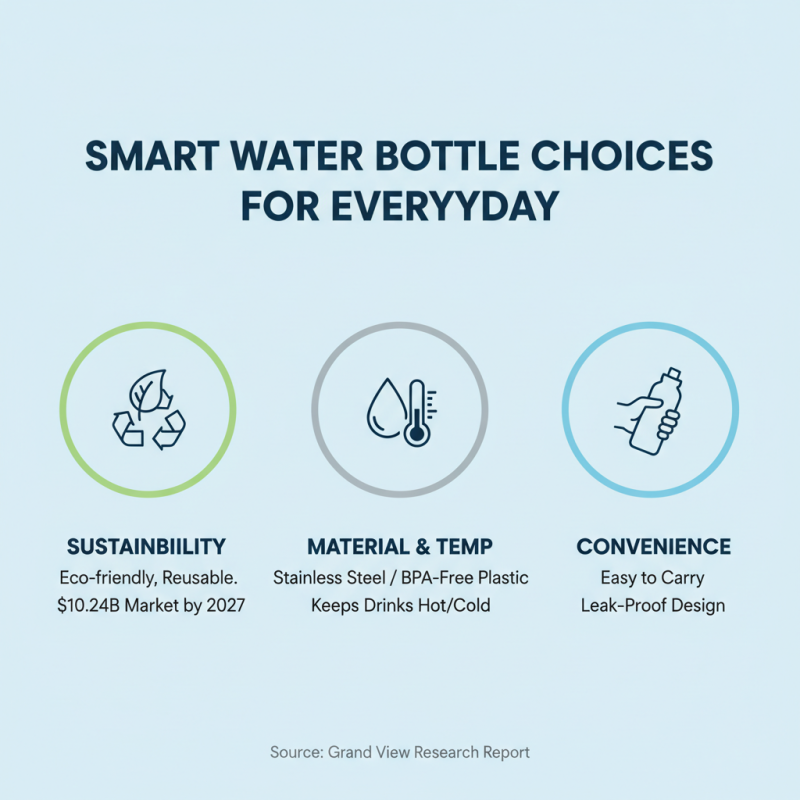
When selecting a water bottle for everyday use, it's essential to consider several key features that enhance not only convenience but also sustainability. A recent industry report by Grand View Research indicates that the global reusable water bottle market is expected to reach $10.24 billion by 2027, highlighting a growing awareness of environmental concerns and the demand for eco-friendly alternatives. Among the most valued features are materials and ability to retain temperature; bottles made from stainless steel or BPA-free plastic not only ensure the safety of your drink but can also keep beverages cold or hot for extended periods.
Another critical aspect is the design and capacity of the bottle. Opting for a model with a comfortable grip and an easy-to-open lid can significantly improve the user experience. According to the Water Quality and Health Council, staying properly hydrated is crucial to maintaining healthy body functions, and having a water container with adequate capacity—ranging from 16 to 32 ounces—encourages regular water intake throughout the day. Additionally, compatibility with various carrying methods, such as easily fitting in cup holders or backpack pockets, enhances portability, making it more likely that users will choose their water bottle over disposable plastic options.
When choosing an eco-friendly water bottle, it's essential to consider the materials and designs that minimize environmental impact. Stainless steel and glass are two of the most popular materials that offer durability and sustainability.
Stainless steel bottles are not only lightweight but also resistant to corrosion and breakage, making them a perfect choice for everyday use. They keep beverages cold or hot for extended periods, which adds to their versatility. Meanwhile, glass bottles provide the advantage of being free from harmful chemicals like BPA, ensuring that no toxins leach into your drink. They also have a clean taste and are easily recyclable at the end of their life cycle.
In addition to materials, the design of eco-friendly water bottles plays a crucial role in their functionality and appeal. Many modern bottles feature double-walled insulation for better temperature control, while integrated filters can enhance the quality of the water. Some designs prioritize portability with collapsible structures or handy carry straps, making them convenient for hiking or commuting. Moreover, many eco-friendly options come with stylish aesthetics, allowing users to express their personality while making environmentally conscious choices. As awareness of sustainability continues to grow, the variety of eco-friendly water bottles available reflects a commitment to reducing plastic waste and promoting a healthier planet.
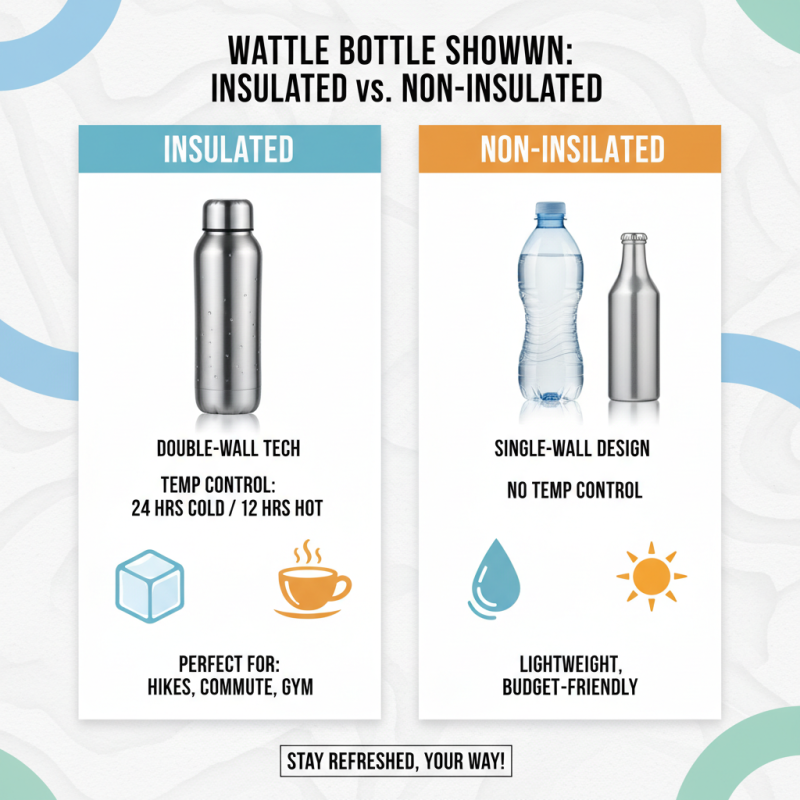
When deciding on a water bottle for everyday use, one crucial distinction to consider is whether to choose an insulated or non-insulated option. Insulated water bottles are designed with double-wall technology that allows them to maintain the temperature of your beverages for extended periods. According to a report from the Beverage Marketing Corporation, insulated bottles can keep drinks cold for up to 24 hours and hot for up to 12 hours. This feature is particularly beneficial for those who enjoy hydration on the go, whether hiking, commuting, or attending workouts.
On the other hand, non-insulated bottles are typically lighter, often made from a single layer of material, which can make them easier to carry. However, they do not retain temperature effectively. A study published in the Journal of Environmental Health found that non-insulated options are often favored for their affordability and ease of cleaning. While they can be very practical for daily hydration tasks, it’s essential to understand that they may not keep your water at a refreshing temperature during hot summer days or maintain your morning coffee’s heat.
Tips: When selecting a water bottle, consider your hydration style. If you often find yourself on the move or need your drinks to stay cold or hot for an extended period, an insulated bottle is likely the better choice. However, if you prefer lightweight options for short outings, a non-insulated bottle will suffice. Also, prioritize materials like stainless steel or BPA-free plastics, as they contribute to both durability and eco-friendliness, aligning with sustainable practices.
Keeping your water bottle clean is essential not only for maintaining hygiene but also for ensuring the longevity of the bottle itself.
Start by regularly washing your water bottle with warm soapy water, which can effectively eliminate bacteria and odors that may develop over time.
For bottles that are dishwasher safe, you can simply place them on the top rack for a thorough clean. However, be cautious with elements like silicone seals or straws, which may require more
delicate care.
In addition to regular washes, consider deep cleaning your bottle periodically. A mixture of vinegar and baking soda
can work wonders—this combination not only kills germs but also helps to eliminate stubborn odors. Allow the mixture to sit for a while before rinsing
it out with hot water. For those hard-to-reach spots, a bottle brush can be very useful.
Always remember to let your water bottle air dry completely after cleaning to prevent any moisture from lingering, which could lead to mold growth.
By following these tips, you can enjoy your water bottle for a long time while contributing to a cleaner environment.
When it comes to eco-conscious consumerism, selecting the right water bottle can significantly impact not only personal hydration habits but also the environment. Many brands are stepping up to offer innovative solutions that prioritize sustainability. These offerings often include bottles made from recycled materials, biodegradable components, and other sustainable practices. Consumers are now more informed than ever about the ecological footprint of their products, leading to a rise in demand for options that blend functionality with environmental responsibility.
In addition to the materials used, several brands focus on design and performance tailored for everyday use. Features like durability, insulation for maintaining temperature, and ease of cleaning are essential for consumers looking for practical solutions. Many companies also incorporate user-friendly elements, such as ergonomic grips and leak-proof designs, which enhance usability while remaining committed to eco-friendly practices. As the market grows, consumers are encouraged to explore these options to find products that resonate with their values of sustainability and responsible usage.