Top Oil Bottles for Every Kitchen Need What Are the Best Options?
In the competitive world of culinary arts, choosing the right oil bottles is crucial. A 2023 industry report by the Global Bottled Oils Association reveals that the demand for high-quality oil bottles has surged by 25% in the past year. This rise reflects a growing awareness of the role that storage plays in preserving oil quality. Industry expert Dr. Sarah Thompson states, "The right oil bottle not only maintains flavor but also ensures freshness."
Selecting the best oil bottles can be challenging. Consumers are bombarded with options, from glass to stainless steel. Each material offers distinct advantages. For instance, glass is inert, meaning it won't react with oils. However, it’s breakable. On the other hand, stainless steel is durable and often designed to block harmful light.
Many people overlook the significance of oil storage. A poorly designed bottle can affect oil flavor, urging chefs to reevaluate their choices. Dr. Thompson further notes that "a good oil bottle can enhance the cooking experience and reduce waste." As home chefs seek to elevate their culinary practices, understanding their oil bottle options is essential.
Top Cooking Oils: An Overview of Essential Kitchen Staples
Cooking oils are essential in any kitchen. Each type has unique benefits. For example, olive oil is prized for its heart-healthy properties. Rich in monounsaturated fats, it is linked to reduced heart disease risk. A 2020 study published in the Journal of Nutrition showed that diets high in olive oil improved overall cardiovascular health.
Canola oil, on the other hand, is another kitchen staple. It has a high smoke point, making it ideal for frying and baking. Its neutral flavor makes it versatile. Moreover, a 2021 report by the American Heart Association noted that canola oil has a favorable fatty acid profile, with high levels of omega-3 fatty acids. This aspect contributes positively to overall health.
Yet, not all oils are created equal. Some have higher saturated fats, which may not be beneficial. Coconut oil, for example, is often touted for its health benefits. Yet, experts warn about its high saturated fat content. Balancing different oils in your diet can be a challenge. Relying solely on one type may lead to nutrient imbalances. Curating a selection of oils helps maximize health benefits while catering to diverse culinary needs.
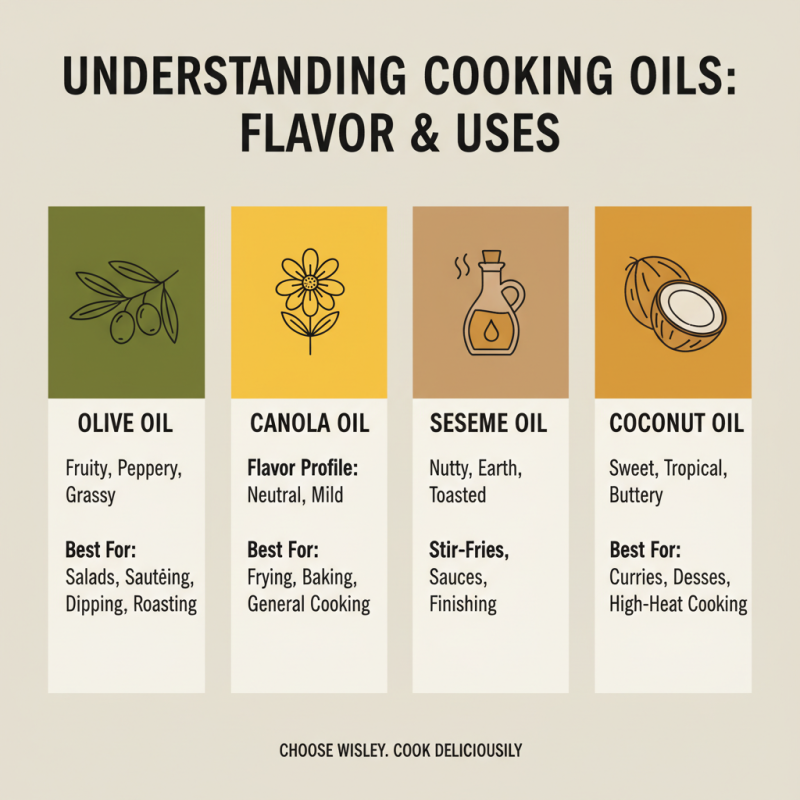
Understanding Different Types of Oil: Flavor Profiles and Uses
When it comes to cooking, oils play a crucial role. Each type of oil brings unique flavors and cooking benefits. Understanding these distinctions helps you select the right oil for your dishes.
Olive oil is a kitchen staple. It has a rich, fruity flavor that elevates salads and pastas. Use extra virgin olive oil for dressings. It has a lower smoke point, so avoid high-heat frying. Instead, try it in sautéing vegetables or drizzling over grilled meat.
Canola oil is another versatile option. It has a neutral taste, making it perfect for baking and frying. It’s also a healthier choice for heart-conscious individuals. On the other hand, sesame oil brings a strong, nutty flavor. It’s ideal for Asian cuisine but should be used sparingly.
**Tip:** Store oils in dark, cool places to maintain their freshness. Light and heat can lead to rancidity.
Consider your culinary needs when selecting an oil. If experimenting, choose oils that complement the meal. A bit of trial and error enriches your cooking experience. Use different oils to enhance the taste journey in your kitchen.
Health Benefits of Popular Cooking Oils: A Nutritional Perspective
When choosing cooking oils, understanding their health benefits is essential. Olive oil is rich in monounsaturated fats. These fats can lower bad cholesterol levels and enhance heart health. You might also appreciate the presence of antioxidants in olive oil. They help combat inflammation, promoting overall well-being.
Coconut oil has gained popularity for its unique composition. It contains medium-chain triglycerides, which can boost metabolism. This oil might also support brain health. However, moderation is key. Despite its benefits, it is high in saturated fat. Relying solely on coconut oil may not be ideal for everyone.
Avocado oil is another excellent choice for the kitchen. It is high in unsaturated fats and vitamins A, D, and E. These nutrients support skin health and may reduce the risk of chronic diseases. While these oils have distinct advantages, choosing the right one should align with individual health needs. Assessing your personal dietary habits is crucial. Not every oil suits every diet, so thoughtful selection can make a significant difference.
Top Oil Bottles for Every Kitchen Need
| Oil Type |
Best Uses |
Health Benefits |
Smoke Point (°F) |
| Olive Oil |
Salads, cooking, marinades |
Rich in healthy fats, antioxidants |
375-410 |
| Coconut Oil |
Baking, frying, spreading |
Promotes heart health, aids in weight loss |
350 |
| Avocado Oil |
Grilling, frying, dressings |
High in monounsaturated fats, boosts nutrient absorption |
480 |
| Canola Oil |
Baking, frying, sautéing |
Heart healthy, low in saturated fat |
400 |
| Sesame Oil |
Stir-frying, seasoning, marinades |
Contains antioxidants, supports heart health |
350 |
Choosing the Right Oil for Cooking Methods: Smoke Points and Suitability
Choosing the right oil for cooking is crucial. Each oil has a unique smoke point, which affects flavor and safety. For high-heat methods like frying, oils with high smoke points are essential. Examples include avocado oil and refined olive oil, which can withstand intense heat without burning.
On the other hand, oils like extra virgin olive oil are better suited for low-heat cooking or dressings. Their distinct flavors can enhance dishes without overpowering them. However, many cooks overheat these oils, leading to a bitter taste. Understanding each oil's characteristics ensures effective and enjoyable cooking.
Additionally, consider the oil's flavor profile. Some oils can add depth to dishes, while others remain neutral. Experimenting with various oils can lead to delightful culinary creations. It’s important to remember that oil storage matters, too. Improper storage can lead to rancidity, affecting both taste and health.
Storage Tips for Cooking Oils: How to Extend Shelf Life and Freshness
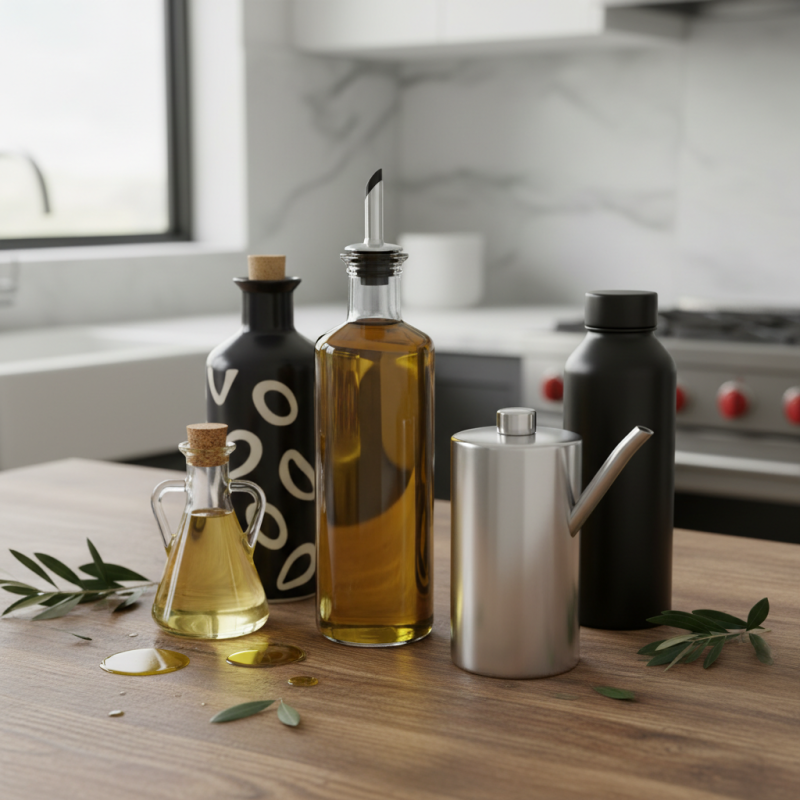
Proper storage of cooking oils is crucial for maintaining their quality. Oils can go rancid if exposed to light, heat, or air. A dark, cool place is ideal for storing oils. A kitchen cabinet away from the stove is often perfect. Glass bottles or dark containers can help protect oils from light.
Consider the type of oil you have. Each has its own shelf life. For example, olive oil typically lasts six months once opened. It's wise to check expiration dates and use oils before they go bad. Pour oils into smaller containers for daily use. This reduces exposure to air and keeps the main bottle fresh longer.
Remember, every kitchen has its quirks. Some may lack ideal storage spots. If you can't avoid heat, try wrapping bottles in a cloth to shield them. Ultimately, a little effort goes a long way in preserving oils. Making these small adjustments can improve the flavor and the shelf life of your cooking oils.
Top Cooking Oils for Kitchen Needs
This chart illustrates the top cooking oils based on their smoke points, flavor profiles, and best storage practices. Understanding these oils can help you choose the right one for your cooking needs while maintaining their freshness and shelf life.