Shandong Jasmine Packaging Co., Ltd.
Consulting

Leave Your Message

Top Questions About Glass Sealing Lids for Global Buyers?

In today's global market, Glass Sealing Lids are gaining immense popularity. These lids provide an effective solution for preserving food. They help maintain freshness and extend shelf life. Buyers are keen to understand the features and benefits of these products.

There are many questions surrounding Glass Sealing Lids. From quality concerns to compatibility with existing jars, global buyers seek answers. The importance of durable materials and proper sealing techniques cannot be overstated. Packaging choices can significantly impact food safety and storage.

However, not all glass lids are created equal. The market is filled with varying options, which may confuse buyers. One must consider manufacturer reputation and product reviews before purchase. Exploring these aspects will empower buyers to make informed decisions.
Top Questions About Glass Sealing Lids for Global Buyers?

Understanding Glass Sealing Lids: An Overview for Global Buyers

Top Questions About Glass Sealing Lids for Global Buyers?

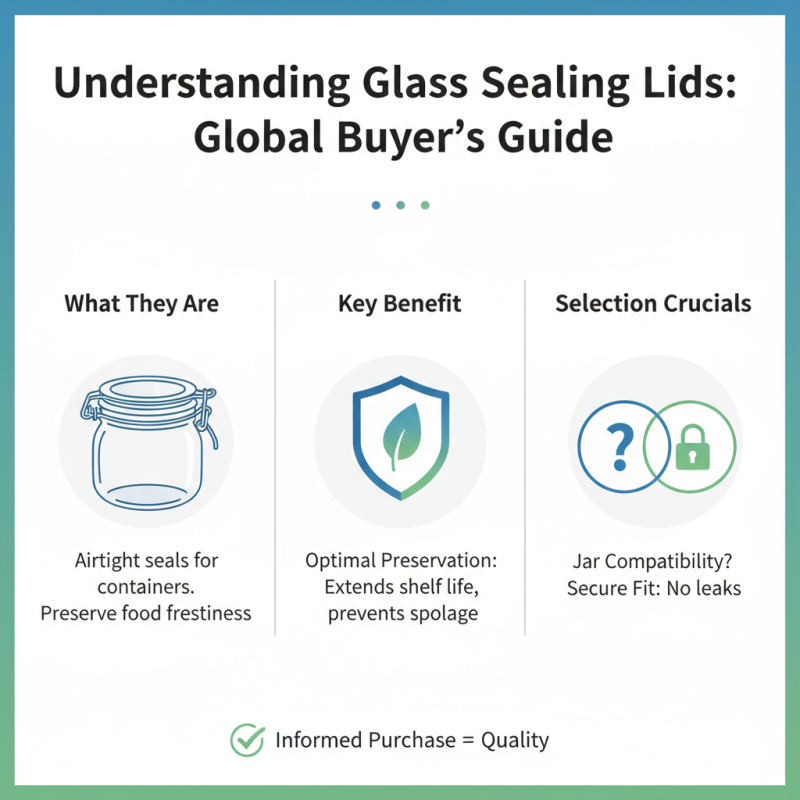
Understanding glass sealing lids is essential for global buyers looking to make informed purchasing decisions. These lids provide an airtight seal for various containers, preserving the freshness of food items. When selecting glass sealing lids, consider their compatibility with your jars. A proper fit ensures optimal sealing and prevents leaks during storage.

**Tips:** Always check the lid's diameter. An incorrect size can lead to spoilage. Inspect the material for quality. Durable glass lasts longer and maintains its shape.

Researching the different types of sealing mechanisms is vital. Some lids use rubber gaskets for enhanced sealing, while others rely on pressure to maintain their integrity. Evaluate the intended use of your jars to choose the right lid type. Being clear on your needs helps avoid mismatches.

**Tips:** Test the sealing process with a few jars before bulk purchasing. Observing how they behave can save you from future issues. Remember that some lids may require specific cleaning methods to maintain their effectiveness.

Key Benefits of Using Glass Sealing Lids in Food Preservation

Glass sealing lids offer numerous advantages for food preservation. They allow for airtight sealing, which keeps food fresh for longer periods. This method helps maintain flavor and nutritional value. Glass lids also prevent the transfer of odors between different items stored in the same container. As a result, your home will smell fresher, and meals will taste better.

When using glass sealing lids, proper handling can enhance their effectiveness. Always ensure the rims of your jars are clean and dry before sealing. This simple step can avoid unwanted contaminants. Additionally, store jars in a cool, dark place. Light and heat can deteriorate both the food and the seal.

While glass lids are durable, they require gentle care. Avoid sudden temperature changes to prevent cracking. If a lid shows signs of wear, consider replacing it. Regularly inspect seals for warping or damage. Taking these steps will ensure your food remains safe and delicious, maximizing the benefits of glass sealing lids.

Factors to Consider When Choosing Glass Sealing Lids

When choosing glass sealing lids, several important factors must be considered. One key aspect is the material quality. The glass should be thick and durable, ensuring longevity and resistance to cracks. Reports indicate that lids made from tempered glass can withstand higher temperatures and pressure, making them suitable for various sealing applications.

Another factor is the sealing mechanism. A reliable sealing system is essential to ensure freshness. Vacuum seal technology is highly recommended, as it minimizes air exposure and preserves food quality. Data suggests that items stored in vacuum-sealed containers can last three to five times longer compared to conventional methods. It's vital to assess the lid's airtightness before purchase to guarantee optimal performance.

Furthermore, size compatibility is crucial. Glass sealing lids should fit snugly with jars and food containers. Mismatched sizes can lead to leaks and spoilage. Studies show that approximately 30% of consumers experienced issues with lid sizes when using glass containers. Always double-check fitting measurements to avoid frustration and waste. This attention to detail is essential for a successful sealing experience.

Common Questions About the Durability and Safety of Glass Sealing Lids

When considering glass sealing lids, durability and safety are paramount. Research indicates that glass products generally exhibit excellent longevity. According to industry studies, glass can last for generations when cared for properly. Unlike plastic, glass does not retain odors or stains. This makes it a safer option for food storage.

However, users should beware of potential weaknesses. Glass can break or chip if dropped or handled carelessly. This risk underscores the importance of careful handling during use, especially with heavy or hard items nearby. A recent survey by the Food & Beverage Packaging Association highlighted that 17% of users had experienced issues with glass breakage, often due to mishandling.

Safety is another critical area of concern. Glass is non-reactive, meaning it won’t leach harmful chemicals into food. Nonetheless, flaws in manufacturing can lead to unsafe products. It’s essential for consumers to choose glass lids that meet regulatory safety standards. In a 2022 report, the Global Food Safety Initiative emphasized that proper inspections and certifications are vital for maintaining safety.

Investing in high-quality glass sealing lids ensures a reliable, durable food storage solution. However, regular checks for wear and tear remain crucial. Users must stay vigilant to maximize the advantages of glass sealing lids in their kitchens.

Top Questions About Glass Sealing Lids for Global Buyers

Question Answer Durability Safety
Are glass sealing lids dishwasher safe? Yes, most glass sealing lids are dishwasher safe, but it's recommended to check the manufacturer’s guidelines. High durability; resistant to scratches and thermal shock. Non-toxic materials ensure safe food storage.
Do glass sealing lids create an airtight seal? Yes, they are designed to provide an airtight seal when used properly. Very durable; can withstand pressure changes without breaking. Made from food-grade glass, ensuring safety for all types of food.
Can I use glass sealing lids in the microwave? Yes, glass sealing lids are typically microwave safe, but ensure no metal components. Excellent thermal resistance; safe for microwave use. Does not leach chemicals when heated, ensuring safety.
What is the maximum temperature tolerance of glass sealing lids? Usually up to 500°F (260°C) depending on the specific product. High tolerance; not easily damaged by heat. Safe under recommended temperature limits.
How do I clean glass sealing lids? Wash with warm soapy water or place in the dishwasher. Easy to clean; resistant to staining. Hygienic; does not absorb odors or flavors.

Comparative Analysis: Glass Sealing Lids vs. Alternative Sealing Methods

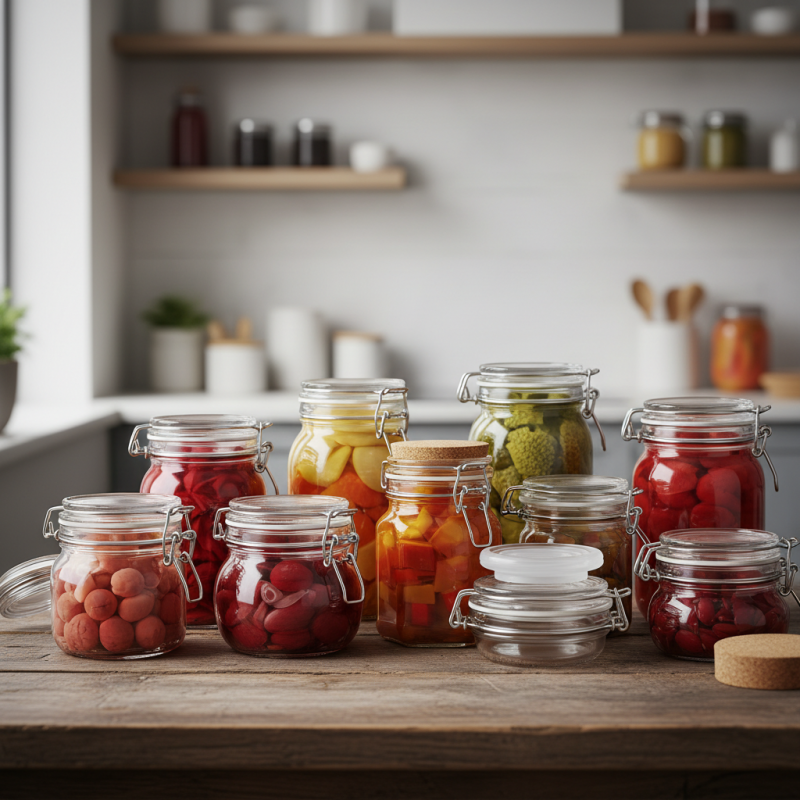
Glass sealing lids offer an effective way to preserve food and maintain freshness. Their unique airtight design prevents moisture and air from entering jars. This method is beneficial for canning and fermenting. Many users prefer glass over plastic for environmental reasons. Glass is recyclable and free from harmful chemicals.

Alternative sealing methods include plastic lids and vacuum sealer bags. Plastic lids are lightweight and easy to store, but they may not provide the same durability. Vacuum sealing can prolong shelf life, yet it often requires more equipment and effort. The experience of using different sealing techniques can reveal preferences. Some find that glass lids can crack or break, leading to frustration.

When selecting a sealing method, it's important to consider specific needs. Cost and availability can vary widely. Each method carries its own pros and cons, and these factors influence buyer choices. Testing various options may enhance the sealing experience. The quest for the best sealing solution is ongoing and often requires reflection on personal needs.