Why Are Perfume Bottles Important in Fragrance Design?
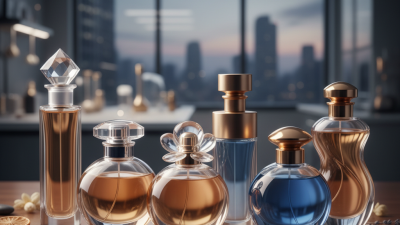
Perfume bottles play a crucial role in fragrance design. They are not just containers; they are a statement. The design of a perfume bottle can evoke emotions and create a connection with the user. A beautiful bottle attracts attention and sparks curiosity. It invites potential buyers to explore the scent within.
In the world of perfumes, presentation matters. A well-designed bottle enhances the overall experience. It reflects the essence of the fragrance. For instance, a sleek, modern bottle may suggest sophistication, while a vintage design could evoke nostalgia. The color, shape, and material all contribute to the message the fragrance sends.
However, not all perfume bottles achieve this goal. Sometimes, a stunning design may overshadow the fragrance itself. This imbalance can leave consumers disappointed. A bottle should complement the scent, not distract from it. Reflecting on this harmony is essential for both designers and consumers. Ultimately, perfume bottles are more than functional; they encapsulate the story of the fragrance inside.
The Historical Significance of Perfume Bottles in Fragrance Culture
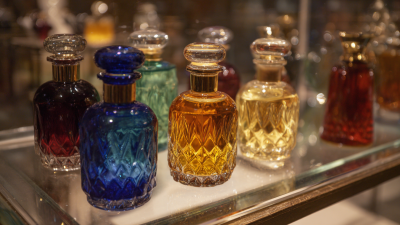
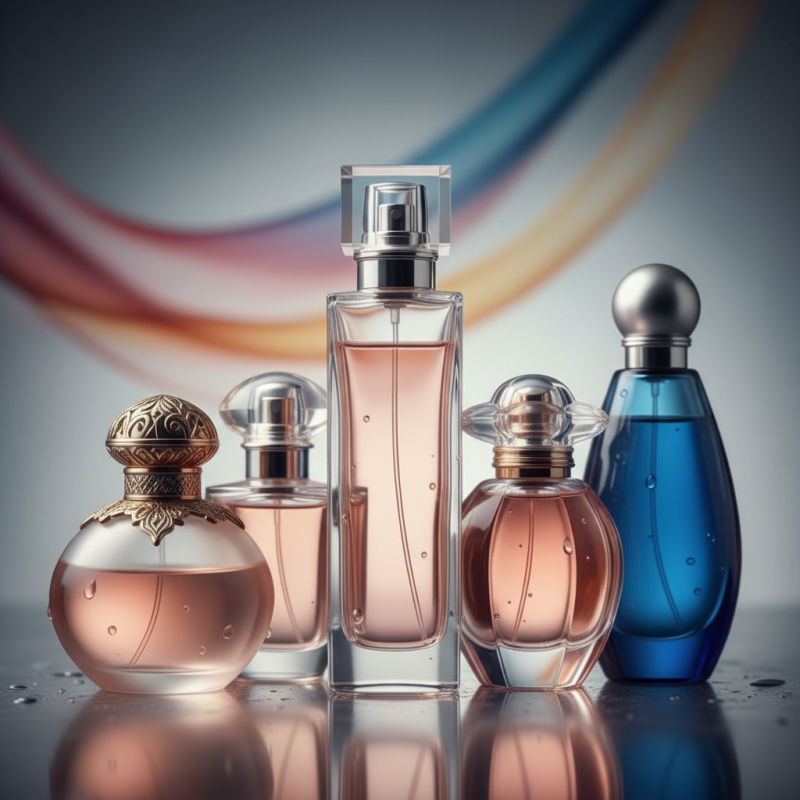
Perfume bottles have a rich history that reflects cultural significance. From ancient Egypt to modern times, these vessels represent art and innovation. The design of a perfume bottle often tells a story. It captures not only the essence of the fragrance but also the era it belongs to. Artists and craftsmen have poured their creativity into these bottles. The shapes and materials vary widely, hinting at cultural values and aesthetics.
Tips: When choosing a perfume bottle for collection, consider both design and history. A well-designed bottle can enhance your decor while offering a glimpse into past traditions.
In fragrance culture, the bottle itself acts as a canvas. It can evoke feelings and memories. An ornate bottle may remind one of royal courts, while a simple glass vial can represent minimalism. These bottles do more than hold fragrance; they create an experience. However, not all designs are successful. Some may lack functionality, and others can be overly complex. Reflect on what makes a design truly special.
Tips: If you feel drawn to a scent, explore the bottle's background. Understanding its design can deepen your appreciation for the fragrance.
The Impact of Design Aesthetics on Consumer Perception of Perfume
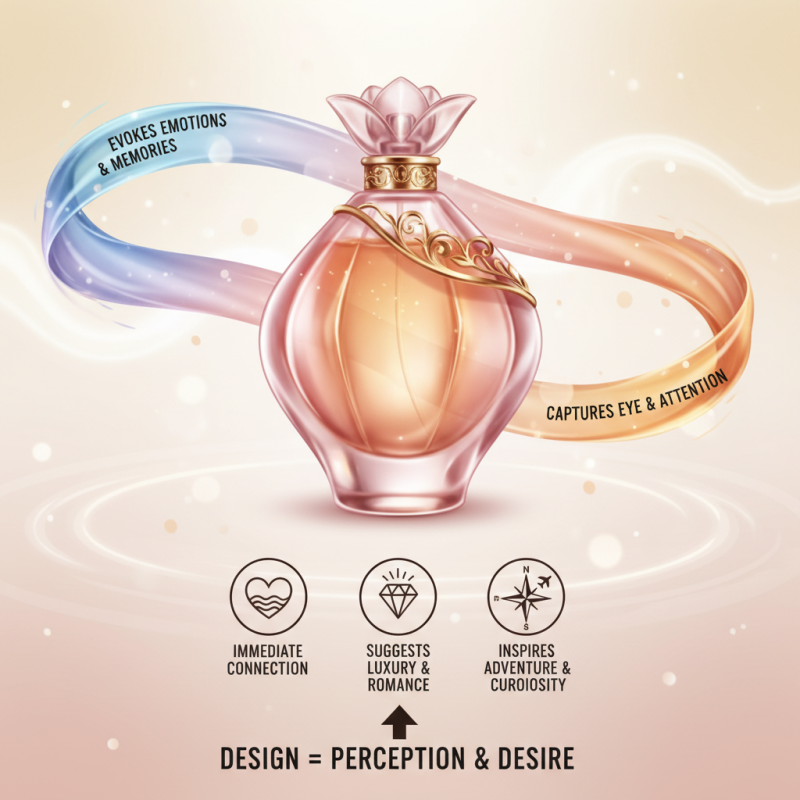
Perfume bottles serve as much more than mere containers. Their design can evoke emotions and memories. A beautifully crafted bottle captures the eye. It draws potential customers closer, creating an immediate connection. The curves, colors, and materials tell a story. They suggest luxury, romance, or even adventure. This instant attraction impacts consumer perception significantly.
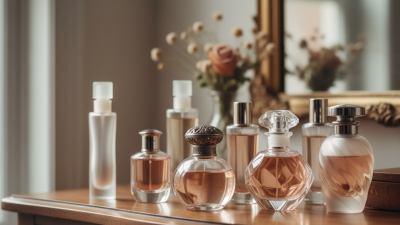
The aesthetics of a perfume bottle can influence desires. A sleek glass design offers a sense of sophistication. A vibrant, playful shape can evoke joy or whimsy. When a consumer picks up a bottle, it’s an experience. The texture of the glass, the weight in their hand — these details matter. Sometimes, a bottle can be so stunning that it overshadows the fragrance itself. It leads to reflection on what truly matters in a purchase.
Not all designs are effective. Some might be overly complex while others fail to convey the essence of their scent. A bottle that looks cheap can tarnish the fragrance within. Consumers might feel misled. It’s essential for designers to align aesthetics with scent identity. The ultimate goal should be harmony between design and fragrance. When this balance is achieved, the result is powerful and memorable.
Materials and Craftsmanship: Key Influences on Bottle Design
The design of perfume bottles goes beyond aesthetics. Materials play a crucial role. Glass, for example, offers elegance and durability. The choice of glass thickness can impact how light reflects, enhancing the fragrance's allure. Some designers prefer metal for a modern touch. Metal can create a striking contrast with delicate scents.
Craftsmanship is equally vital. Each bottle is often handcrafted, requiring great skill. Small imperfections might arise during the process. These unique marks can tell a story. They can evoke a sense of authenticity that industrially produced items lack. Innovative techniques like hand-blown glass add character to the bottles. Each piece becomes a work of art, reflecting the scent inside.
When considering the bottle's shape, functionality matters. A curved design might fit comfortably in hand, while a sharp, angular bottle can convey a bold, edgy personality. Colors also influence perception. Clear glass suggests purity, while dark hues can hint at mystery. Designers must balance these elements carefully to ensure the bottle complements the fragrance perfectly.
Functionality vs. Aesthetics: The Balance in Fragrance Bottle Design
The design of perfume bottles is a delicate dance between functionality and aesthetics. The shape and materials used must not only attract the eye but also provide practical uses. For example, a bottle’s size should fit comfortably in one’s hand while allowing for easy dispensing of the fragrance. An awkwardly designed bottle can frustrate users. Imagine a beautiful bottle that is hard to hold or spray; it detracts from the experience.
Aesthetically, the bottle serves as a visual representation of what lies inside. Colors, textures, and unique shapes evoke emotions that resonate with consumers. However, sometimes designers focus too much on beauty, sacrificing usability. A stunning bottle that leaks or is difficult to open can disappoint.
Striking the perfect balance between these two aspects requires thought and reflection. Designers must ask themselves: does this design enhance the fragrance experience? Does it truly serve its purpose? Not every beautiful bottle lives up to its promise, and that can lead to a disconnect between the fragrance and the wearer.
Importance of Perfume Bottles in Fragrance Design
This chart illustrates the importance of functionality versus aesthetics in perfume bottle design, highlighting that while functionality is significant, aesthetics plays a crucial role in attracting consumers.
Marketing and Branding: How Bottles Enhance Fragrance Identity
Perfume bottles are more than just containers. They serve as the first point of contact between the fragrance and the consumer. An elegant design can evoke emotions and memories, setting the tone for the scent within. A well-crafted bottle can capture the essence of the fragrance it holds, making it memorable and appealing. For example, a sleek, modern design may suggest freshness. In contrast, an ornate bottle may imply richness and complexity.
The aesthetic appeal of a perfume bottle also plays a significant role in marketing. It creates a visual identity that resonates with the target audience. Colors, shapes, and materials all contribute to the story a fragrance tells. A striking bottle can make a statement on a vanity or store shelf. However, not every design is successful. Some may fail to connect with consumers, showing that beauty alone isn’t enough. A bottle that elegantly embodies the fragrance can enhance its allure, while a forgettable one can render even the best scent unnoticed.
Additionally, practical aspects can't be ignored. The usability of the bottle impacts consumer experience. Poor functionality can frustrate users. Issues with spray mechanisms or awkward shapes can detract from the fragrance's appeal. Balancing design with practicality is essential but often overlooked. In fragrance design, understanding the customer’s needs can be the key to success.