What is a Glass Jar and How is it Used in Everyday Life?
Glass jars are ubiquitous in daily life, serving multiple purposes across various sectors. According to a recent report by Smith & Co. Research, the global market for glass jars is projected to reach $10 billion by 2025. These containers are celebrated for their durability and non-reactive nature. As packaging expert Jane Smith famously said, "Glass jars preserve quality like no other material." This statement underscores their importance in food storage and preservation.
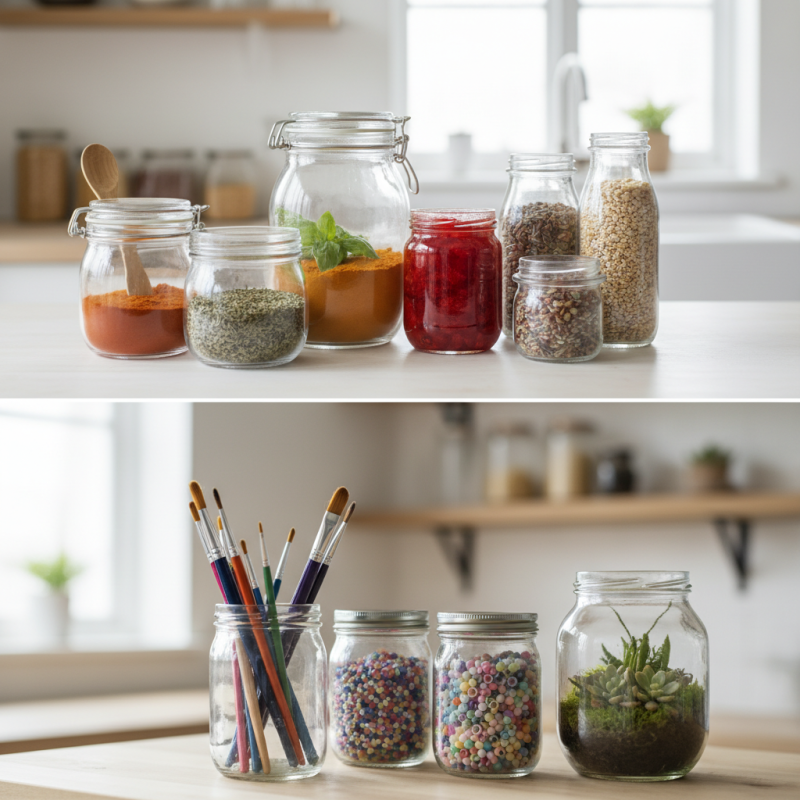
In kitchens worldwide, glass jars hold everything from spices to homemade preserves. Their transparent design allows easy visibility of contents, promoting organization. However, not all glass jars are created equal. Quality varies significantly, often leading to challenges in usage and storage. Some may find inferior jars prone to breakage or failure under pressure.
Beyond the kitchen, glass jars find utility in arts and crafts. They contribute to sustainable practices by encouraging recycling and repurposing. Yet, the industry faces hurdles related to environmental concerns. The production of glass emits significant carbon emissions, prompting a rethink on its lifecycle. How we use glass jars can align with eco-friendly practices for better sustainability.
What is a Glass Jar? Definition and Overview
A glass jar is a container made of glass, often sealed with a lid. These jars come in various sizes and shapes, making them versatile in everyday life. They are commonly used for food storage, canning, and even decorative purposes. According to industry reports, the global glass packaging market reached approximately $60 billion in 2021. Analysts predict a growth rate of around 3% annually.
Tips: When using glass jars for storage, always ensure the jars are clean and dry. This helps preserve the contents better. For canning, choose jars with thick glass to withstand heat changes.
Glass jars are not only practical but also eco-friendly. They are recyclable and can be reused multiple times. However, they can break easily, which is a concern. Always handle them with care. For those who may not like the weight of glass, alternatives exist, but they may lack in durability. It’s essential to weigh the pros and cons based on your needs.
What is a Glass Jar and How is it Used in Everyday Life?
| Dimension |
Description |
| Material |
Typically made of glass, providing durability and non-reactive properties. |
| Sizes |
Available in various sizes, from small spice jars to large canning jars. |
| Uses in Food Storage |
Commonly used for storing sauces, jams, pickles, and other preserved items. |
| Craft Uses |
Often used in DIY projects such as candle holders, terrariums, and decorative displays. |
| Reusability |
Glass jars are reusable and environmentally friendly, promoting sustainable practices. |
| Sealing Mechanism |
Many jars come with airtight lids that help preserve contents for longer periods. |
| Storage Solutions |
Used for organizing pantry items, crafts supplies, or even small household items. |
Types of Glass Jars: From Canning to Decorative Uses
Glass jars come in various types, each serving unique purposes.
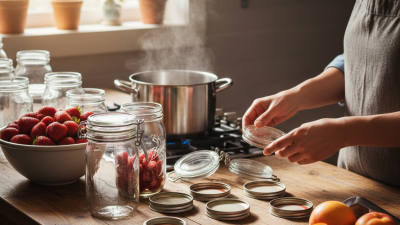
Canning jars are popular for preserving fruits and vegetables. They can withstand high heat and create a vacuum seal.
This keeps food fresh for months. Mason jars are a common choice for this purpose. They are sturdy and reliable.
Decorative glass jars add charm to any space. They can hold candles, flowers, or decorative stones.
Some people use them for DIY projects, like making terrariums.
A small glass jar filled with sand and seashells can evoke beach memories. Creative uses like these can personalize your home.
Tips: Consider labeling jars for better organization. It can help you find items easily.
Also, group similar jars together. This will create a cohesive look. Don't shy away from mixing sizes and shapes.
It adds visual interest. Remember to clean and repurpose jars. Upcycling can be both fun and environmentally friendly.
The Role of Glass Jars in Food Preservation and Safety
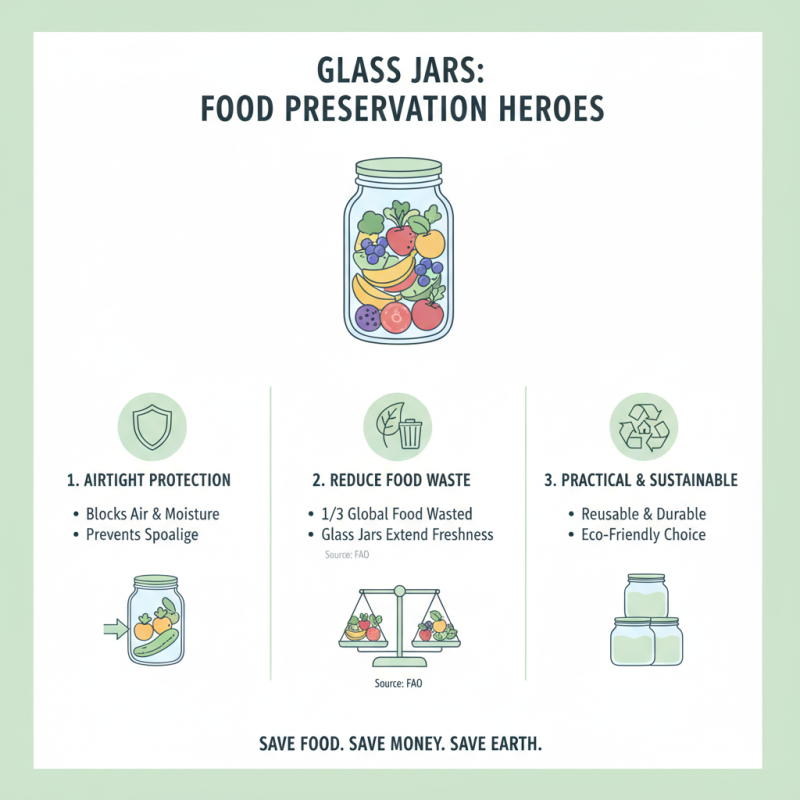
Glass jars are vital for food preservation. They effectively protect food from air and moisture. According to a report by the Food and Agriculture Organization (FAO), about one-third of food produced globally is wasted. Proper storage can significantly reduce this waste. Glass jars help maintain freshness and minimize spoilage, making them a practical choice for households.
Safety is another crucial aspect of using glass jars. When properly sealed, they create an airtight environment that prevents bacterial growth. The U.S. Department of Agriculture states that home-canned foods in glass jars can last up to one year when stored correctly. However, there is a risk of improper sealing, which can lead to contamination. One study highlighted that nearly 5% of home canning attempts failed due to inadequate sealing methods.
Using glass jars also encourages mindful consumption. Many people may overlook the benefits of homemade foods, leading to unhealthy habits. Over-reliance on processed foods can lead to higher health risks. Transitioning to glass jars for food storage not only promotes healthier eating but also fosters a closer connection with food. A tangible relationship with food often leads to less waste and better nutrition.
Environmental Impact: Sustainability of Glass vs. Plastic Containers
Glass jars have become popular choices for various uses in daily life, from storage to decoration. Their sustainability compared to plastic containers is a pressing topic. According to a 2021 report from the Environmental Protection Agency, glass recycling rates are around 30%, while plastic recycling hovers at a mere 9%. This stark contrast highlights the challenges of plastic waste.
Glass jars are reusable and can last for many years. They do not leach harmful chemicals like some plastics. However, the production of glass is energy-intensive, which raises questions about their overall environmental footprint. The manufacturing process for glass emits more greenhouse gases than that of plastics, making the choice less clear-cut.
While opting for glass may seem like a sustainable choice, it isn’t without flaws. The transport of glass containers often causes more energy consumption due to their weight. Many consumers might not recycle glass properly, leading to more landfill waste. Assessing these aspects helps shed light on the real impact of our choices regarding containers.
Environmental Impact of Glass vs. Plastic Containers
This chart illustrates the environmental impact of glass and plastic containers in terms of CO2 emissions. Glass containers are more sustainable, emitting approximately 7 kg of CO2, compared to 20 kg for plastic containers, highlighting the importance of choosing glass for a lower carbon footprint.
Innovative Uses of Glass Jars in Home Décor and Organization
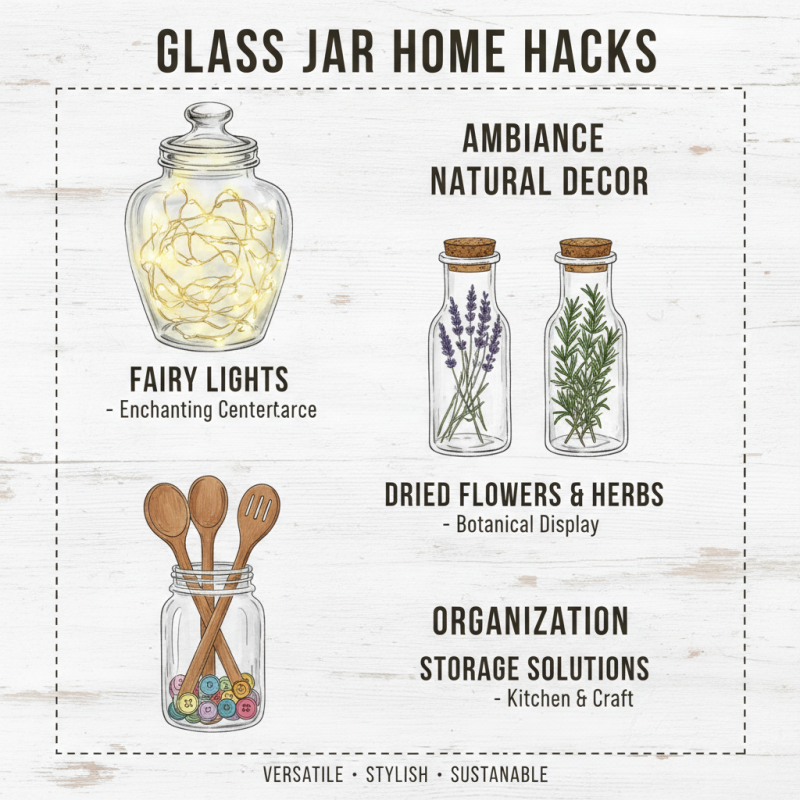
Glass jars are incredibly versatile items that can enhance home décor and organization. They come in various shapes and sizes, making them ideal for multiple uses. Want a rustic touch? Fill a large jar with fairy lights for a charming centerpiece. Small jars can hold dried flowers or herbs, creating a lovely natural display.
Tips: Consider grouping several jars for a more dramatic effect. Mix and match sizes and heights. This adds visual interest to your space. Layering colors and textures can create unique arrangements. Aim for balance but allow some disarray; perfection isn’t always necessary.
Beyond decorating, glass jars are great for organizing. Use them in the kitchen to store spices or snacks. This can reduce clutter and make cooking easier. Labeled jars can transform a chaotic pantry into a functional space. However, sometimes it’s hard to maintain organization. Glass jars can easily become dusty or lost in the back of a cupboard. Regularly reassess and refresh your setup. Your jars should inspire, not overwhelm.