What is the Future of Glass Bottles at the 139th Canton Fair 2026?
As the 139th Canton Fair approaches in 2026, the future of the glass bottle industry will be a focal point. Industry expert Mark Thorne states, "Glass bottles represent sustainability and elegance in packaging." This insight reflects the growing demand for eco-friendly packaging solutions worldwide.
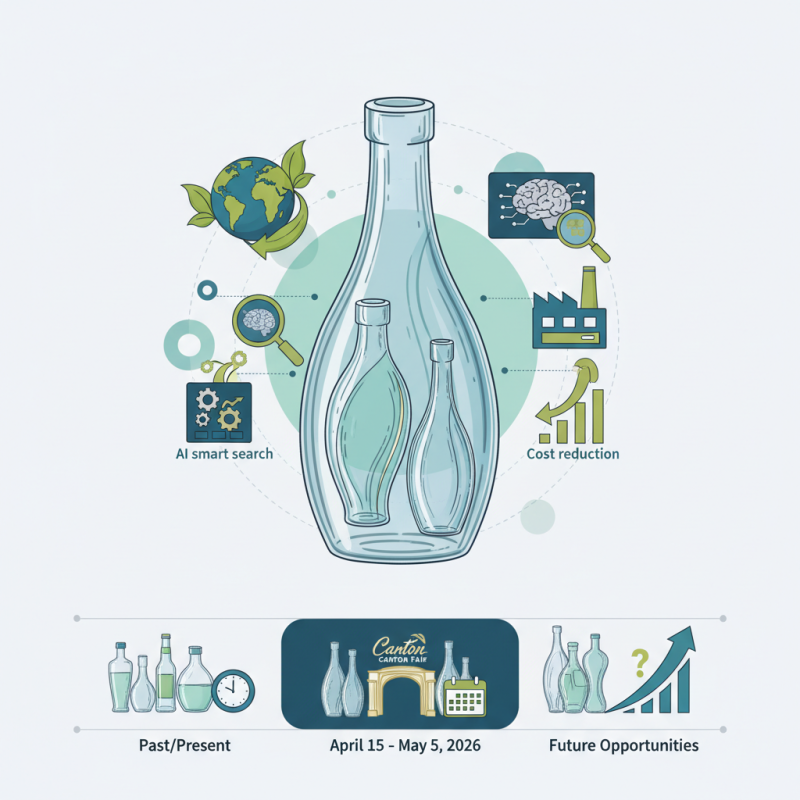
The Canton Fair, scheduled from April 15 to May 5, will showcase innovations in materials and production techniques. Attendees will witness a variety of glass bottles used in food and beverage sectors. With the introduction of AI smart search and navigation features, buyers can easily locate suppliers specializing in sustainable glass products.
While the glass bottle industry is thriving, challenges remain. Adapting to consumer preferences and reducing production costs is essential for long-term success. As trends shift, will the elegance of glass stand the test of time? The upcoming Canton Fair could be the key to unlocking new opportunities in this sector.
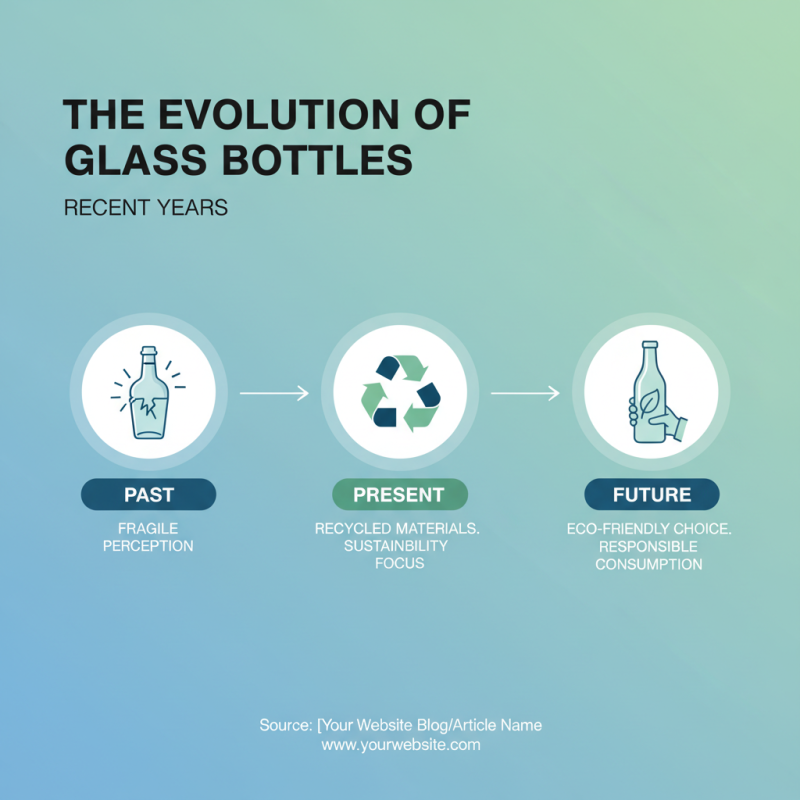
The Evolution of Glass Bottles in Recent Years
The evolution of glass bottles has been remarkable in recent years. Once seen as fragile, they are now revered for sustainability. More manufacturers are turning to recycled glass materials. This shift aligns with changing consumer preferences towards eco-friendly products. Glass bottles have become a symbol of responsible consumption.
Innovative designs are also emerging. Many brands focus on aesthetics and functionality. Some glass bottles now come with ergonomic shapes. This enhances user experience, making them easier to handle. However, challenges persist. Not all consumers are aware of the environmental benefits. Many still prefer plastic due to convenience.
Moreover, the production process has seen advancements. Technology now allows for stronger, lighter glass bottles. These innovations lead to reduced transportation costs and lower carbon footprints. Yet, not all industries have embraced this change. The path to widespread adoption remains uneven. A thoughtful approach is needed to address these gaps.
Key Trends in Sustainable Packaging at the Canton Fair 2026
The future of glass bottles is increasingly tied to trends in sustainable packaging. At the 139th Canton Fair in 2026, a focus on environmentally friendly materials is evident. Industry reports indicate that over 40% of consumers now prefer sustainable packaging options. Glass bottles play a crucial role in reducing plastic waste, aligning with rising consumer demand for eco-conscious products.
Sustainable innovations are emerging within the glass industry. Recycled glass usage has surged by 30% over the past five years. This shift has reduced energy consumption and emissions. Companies are exploring lightweight glass designs, potentially lowering transportation impacts. However, challenges remain. Not all regions have efficient recycling systems. Many consumers are still unaware of glass recyclability.
The presentation of glass packaging has also evolved. Companies are experimenting with minimalist designs to attract eco-minded consumers. A survey conducted in 2023 revealed that 65% of shoppers prefer products with clear sustainability messages. While the future looks promising, continuous improvement is necessary. Addressing recycling disparities and educating consumers can further enhance the glass bottle market’s sustainability.
Innovative Designs and Technologies for Glass Bottles
The 139th Canton Fair in 2026 shines a spotlight on glass bottles. Innovative designs are emerging, captivating both consumers and manufacturers. One striking trend is the incorporation of ergonomic shapes. These designs enhance usability, making bottles easier to hold and pour.
In addition, sustainable technologies are becoming more common. New methods in glass production reduce energy consumption. Recycled glass is gaining popularity, promoting eco-friendly practices. Some companies are experimenting with biodegradable labels to further reduce waste. Such innovations spark conversation about the future of glass packaging.
However, challenges remain. Some designs may prioritize aesthetics over functionality. It's important to strike a balance between beauty and usability. As we embrace change, we must reflect on what consumers truly need. Can innovation lead to better choices? The future holds exciting possibilities.
What is the Future of Glass Bottles at the 139th Canton Fair 2026? - Innovative Designs and Technologies for Glass Bottles
| Design Innovation |
Technology Used |
Sustainability Features |
Market Trend |
| Ergonomic Shapes |
3D Printing |
100% Recyclable Materials |
Growing Demand for Personalized Products |
| LED Integrated Bottles |
Smart Technology |
Bio-Based Coatings |
Increase in Eco-Conscious Consumers |
| Multi-Functional Designs |
NSF-Certified Glass |
Reduced Carbon Footprint in Production |
Shift towards Minimalism and Versatility |
| Customizable Labels |
Digital Printing |
Use of Recycled Glass |
Trend of Brand Identity and Storytelling |
Market Demands and Consumer Preferences Shaping Glass Bottle Futures
The 139th Canton Fair in 2026 is set to showcase glass bottles. Market demands are evolving rapidly. Consumers are increasingly favoring eco-friendly products. Sustainable packaging options are becoming more important than ever. People are seeking products that align with their values. They want items that are both functional and stylish.
Glass bottles are seen as a premium choice. However, they also present challenges. Durability can be a concern for consumers. Some worry about breakage during transport. This may limit their appeal among certain demographics. Moreover, the production process can be energy-intensive. Companies must rethink how they balance these factors.
Trends indicate a shift towards personalization. Buyers want unique designs that reflect their identity. Engaging marketing strategies could influence consumer choices. Yet, the question remains: can the industry adapt quickly enough? The future of glass bottles may depend heavily on how well companies respond. They must consider these preferences while addressing sustainability challenges.
Impact of Regulatory Changes on Glass Bottle Production and Usage
The 139th Canton Fair in 2026 will highlight significant regulatory changes affecting glass bottle production and usage. New guidelines aim to promote sustainability and safety. The focus is on reducing waste and enhancing recyclability. Manufacturers must adapt swiftly to these changes to remain competitive.
As regulations tighten, it poses challenges. Many producers may struggle to meet new standards. Investments in technology will be necessary. Some may not have the resources to comply. This could lead to a reduction in the number of suppliers in the market. Smaller companies might find it particularly hard to adapt.
Consumer awareness is also rising. Buyers are keen on sustainable packaging. They prefer brands that align with eco-friendly practices. This shift may pressure manufacturers to innovate. However, not all companies will embrace this change willingly. The journey toward sustainability can be messy. Market dynamics will continue to evolve as companies respond to regulations and consumer demands.
Future of Glass Bottles at the 139th Canton Fair 2026