Why Use Food Storage Jars for Freshness and Organization?
In today's fast-paced world, maintaining freshness in food is crucial. Food storage jars have emerged as an essential tool for organization and keeping food items fresh longer. According to a report by the Food Industry Association, over 60% of consumers look for ways to reduce food waste. This highlights the increasing need for effective food storage solutions.
Food storage jars are versatile and available in various sizes. They can accommodate everything from grains to snacks, ensuring easy access. Studies show that proper food storage can prolong shelf life by up to 50%. However, not all storage options are created equal. Some materials can leach chemicals into the food, which raises concerns about safety. While jars are a reliable solution, investment in quality is essential.
On the other hand, it's important to remember that even the best food storage jars require diligent care. Neglecting proper cleaning can lead to mold growth or contamination. Customers must remain vigilant about their storage practices. Reflecting on these points can lead to better food management and healthier eating habits. Food storage jars are not just vessels; they are a commitment to freshness and efficiency.
Benefits of Using Food Storage Jars for Maintaining Freshness
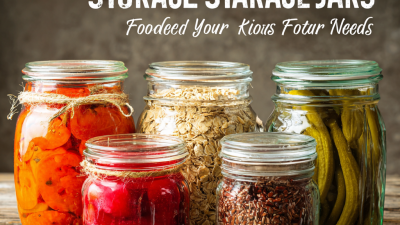
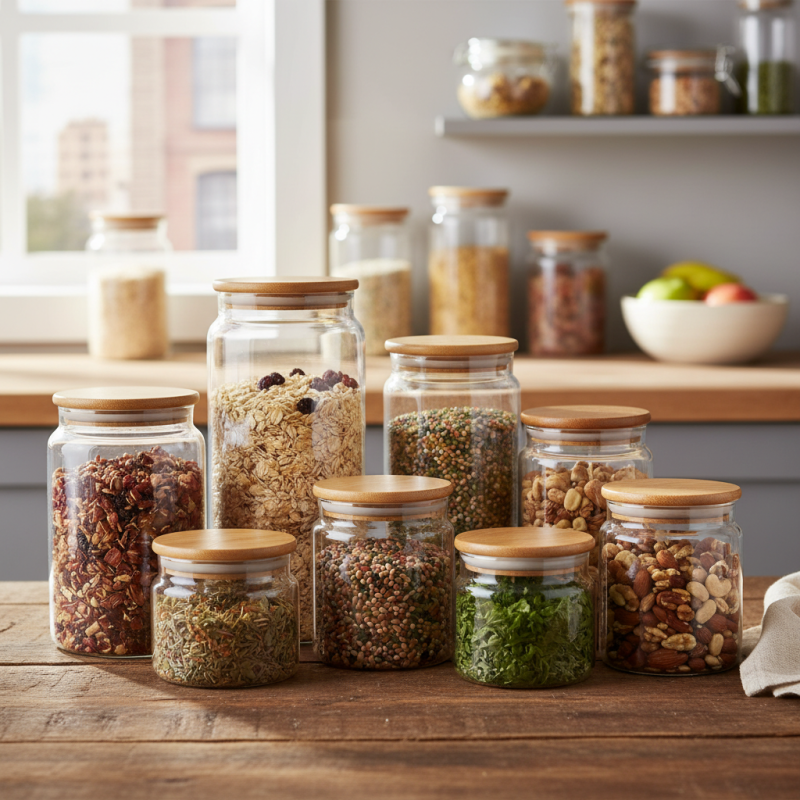
Food storage jars are essential for maintaining the freshness of your ingredients. They provide an airtight seal that keeps moisture and air out. By using these jars, you extend the shelf life of grains, nuts, and dried fruits. It's remarkable how an organized pantry can change your cooking habits. Clear jars allow easy visibility, making it simple to find what you need.
Another benefit is minimizing food waste. When food is stored properly, it stays fresh longer. This practice not only saves money but also reduces trips to the supermarket. Imagine opening a jar and finding crisp pasta or aromatic spices, ready to enhance your dish. However, some people might neglect the organization aspect. Piling jars up can make it tough to find specific items, leading to frustration.
Using food storage jars also encourages creativity in the kitchen. You might discover new recipes with ingredients you forgot you had. A well-organized pantry can inspire you to try cooking new dishes. Still, it requires regular maintenance. Dust can accumulate, and labels can fade over time. Remember to refresh your jars, both in cleaning and in replenishing contents.
Why Use Food Storage Jars for Freshness and Organization? - Benefits of Using Food Storage Jars for Maintaining Freshness
| Benefit |
Description |
Material |
Capacity |
Best For |
| Airtight Seal |
Prevents moisture and air from spoiling food |
Glass |
1 Liter |
Dry Goods |
| Organized Storage |
Helps keep the kitchen tidy and visually appealing |
Plastic |
500 ml |
Snacks |
| Versatility |
Can store a variety of food items, including liquids |
Bamboo Lid |
2 Liters |
Grains |
| Easy Identification |
Clear jars allow for quick visual identification of contents |
Glass |
1.5 Liters |
Herbs and Spices |
| Sustainability |
Reusable jars help reduce single-use plastic waste |
Borosilicate Glass |
750 ml |
Leftovers |
Types of Food Storage Jars and Their Specific Uses
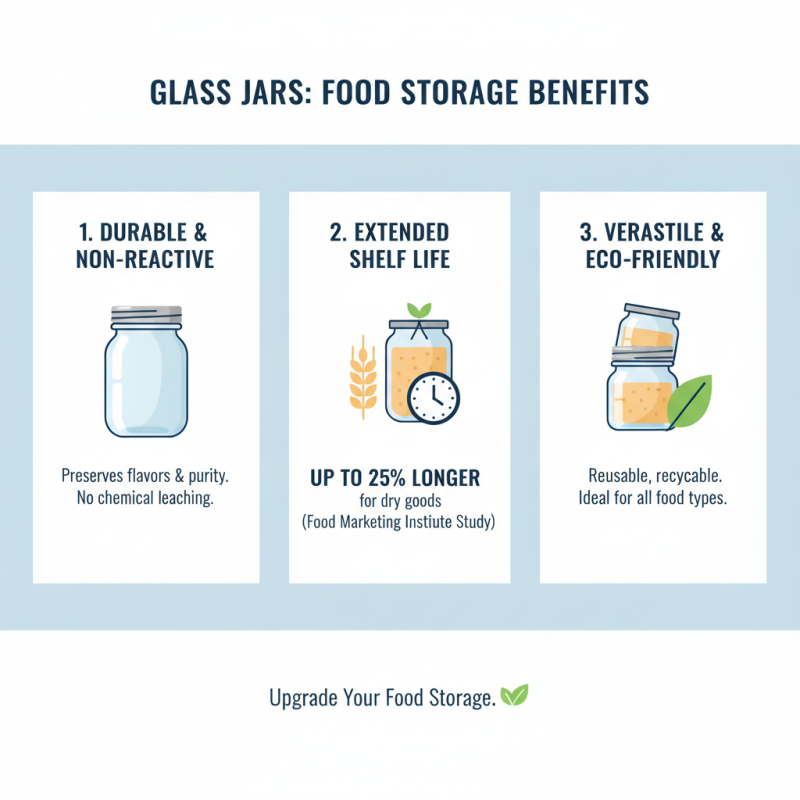
When considering food storage, various types of jars can offer distinct benefits. Glass jars are popular for their durability and non-reactive qualities. They preserve flavors well and are great for long-term storage. According to a study by the Food Marketing Institute, glass containers can extend the shelf life of dry goods by up to 25%.
Plastic containers are lightweight and often easier to handle. They can be great for kids' snacks and quick meal prep. However, some plastics can absorb odors over time. A consumer survey revealed that 30% of people experienced issues with plastic's longevity. For items like grains and legumes, airtight containers are essential. They keep pests at bay and maintain freshness.
Ceramic jars can add aesthetic appeal while being functional. They are often heavier, which can be a downside when reaching for ingredients. Yet, their thickness helps regulate temperature and humidity. It's worth noting that mismatched lids and jars can lead to unorganized cupboards. The struggle between style and practicality is real. As one report indicated, nearly 40% of users find efficiency and organization lacking in their kitchens.
Organizing Your Kitchen with Food Storage Jars: Tips and Tricks
Organizing your kitchen effectively can elevate your cooking experience. Food storage jars are a practical solution. They are not just for aesthetics; they serve critical functions. According to a survey by the International Association of Home Inspectors, well-organized kitchens can reduce food waste by up to 30%. This means that utilizing jars wisely can promote both efficiency and sustainability.
When you designate jars for specific items, you enhance visibility. Clear containers allow you to see what you have at a glance. Studies show that 70% of kitchens often overlook pantry organization. This leads to confusion and food items expiring long before they are used. Think about labeling every jar properly with dates. It’s a small step, but it adds clarity. Grouping similar items together also helps. For example, keep your grains in one area and your spices in another. This method doesn’t just tidy your space; it saves time, too.
However, there may be challenges. Finding jars that truly seal can be daunting. Some jars may not be stackable or may take up too much space. Reflect on how much you’re willing to invest in storage solutions. Balancing functionality and style is no small task. Regularly reassess your storage needs, as they may change with your cooking habits or family size. Keeping your kitchen organized is an ongoing process that deserves attention.
Cleaning and Maintaining Food Storage Jars for Long-Term Use
Cleaning and maintaining food storage jars is crucial for their longevity. Regular cleaning ensures that no residue builds up, which can affect food freshness. Use hot, soapy water to wash the jars.
Make sure to scrub the insides thoroughly. Pay special attention to the lids, as they can trap odors.
Tips: For tough stains, mix baking soda with water to create a paste. Apply it to the jar, let it sit, and then scrub. Rinse well.
After cleaning, let the jars air dry completely. Moisture can lead to mold growth. Store the jars in a cool, dry place to avoid any humidity. It's easy to forget this step, but it's vital for keeping your food fresh and safe.
Tips: To keep glass jars from breaking, avoid drastic temperature changes. Let them adjust to room temperature before washing with hot water. Inspect the jars regularly for any cracks or chips.
Using damaged jars could compromise your food storage efforts.
Creative Ways to Label and Arrange Food Storage Jars in Your Pantry
Food storage jars are great for keeping your pantry organized. They come in various sizes and shapes. This versatility allows you to store bulk items, snacks, or homemade goods. When it comes to labeling, creativity can go a long way. Try using chalkboard labels. They’re easy to wipe clean. You can also use washi tape for a pop of color.
Tip: Use a label maker for consistent text. It helps maintain a tidy look. Arrange jars by contents. Group grains together, snacks on another shelf, and spices in a separate section. This practice not only looks neat but also makes meal prep quicker.
You might find that some jars crack or chips develop over time. It’s normal and reflects everyday use. Think of it as a story of your kitchen. Sometimes, you may forget what’s in a jar. Consider using a transparent jar for visibility. Remember, good organization takes time and regular adjustments.