10 Essential Tips for Choosing the Perfect Vodka Bottle
Choosing the perfect vodka bottle can be daunting. With the vodka market projected to reach $45.8 billion by 2027, making the right choice is crucial. Quality varies significantly. Not all vodka brands adhere to the same production standards.
Experts recommend considering several key factors. For instance, the source of ingredients can impact taste. Many premium brands use natural grains or pure water. This creates a smoother profile. Flavor nuances can also differ widely among brands, affecting your cocktail experience. A study from Cheers Magazine highlights that consumers are increasingly seeking craft and artisanal vodkas, indicating a shift toward quality over quantity.
Buying vodka is more than just a purchase. It reflects personal taste and social presence. Unsurprisingly, many consumers switch brands after an unsatisfactory experience. Your vodka bottle should match your preference and occasion. Investing time and effort into selecting the right one will enhance enjoyment and appreciation.
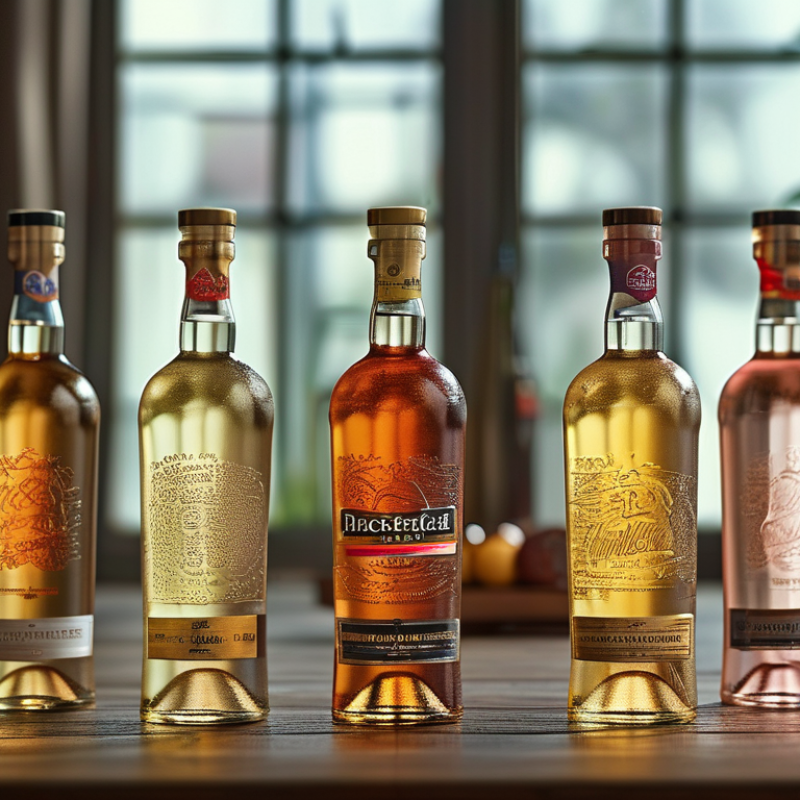
Understanding the Different Types of Vodka Available on the Market
When choosing vodka, understanding the different types is key. Vodka comes in various styles that affect taste and quality. Traditional vodka often features a neutral profile, making it perfect for cocktails. It’s commonly distilled multiple times to achieve purity.
Flavored vodka has become increasingly popular. Infusions can range from citrus to spices. These options add unique flavors to drinks. However, some may find these overly sweet or artificial. It's essential to taste before buying.
Craft vodka is a growing trend. These brands focus on local ingredients and small-batch production. This approach can lead to unexpected flavors and aromas, but it may not suit everyone’s palate. Always consider the origin and distillation process. Each type of vodka offers something different, and the right choice depends on personal preference.
Vodka Types Market Share
Identifying Key Flavor Profiles to Suite Your Preference
Choosing the perfect vodka begins with understanding its flavor profile. Vodka may seem straightforward, but distinct varieties exist. Some vodkas are smooth and neutral, while others burst with character. A survey by the Distilled Spirits Council shows that nearly 50% of vodka drinkers prefer unique flavors, indicating a shift towards more adventurous choices.
Many factors influence vodka's taste, including the base ingredient and distillation method. For instance, vodkas made from grains often exhibit a lighter profile, while potato vodkas lean towards richness. The even more intriguing option is those distilled from fruits, which add a fruity nuance. Notably, there's an increasing trend in consumers seeking organic and artisanal vodkas. This niche market is growing at about 15% annually, highlighting a demand for authenticity.
Despite the myriad options available, some may find the selection overwhelming. A common pitfall is assuming all vodkas are alike. Blind tastings frequently reveal how different brands can evoke varied flavor experiences, leading many to reconsider their preconceptions. It’s essential to explore and experiment, as personal preference significantly influences what might be deemed “perfect.” Observing the subtle notes in vodka can enhance the enjoyment of any drink.
Evaluating Brand Reputation and Distillation Methods
When choosing a vodka bottle, brand reputation plays a crucial role. A reputable brand often indicates quality. Look for brands with a history of excellence. Research online reviews and consumer feedback. This information can reveal much about a brand's consistency and flavor profile. Reliable sources, like spirits competitions, can further inform choices.
Distillation methods also matter significantly in vodka production. Traditional methods, like pot stilling, often yield higher quality. This technique allows for better flavor retention. Conversely, continuous distillation may produce a cleaner spirit but can lack character. Each distillation method carries its unique nuances. Understanding these differences can enhance your tasting experience.
Not all vodkas labeled "premium" are equal. Some might rely on clever marketing rather than quality. It's essential to question these claims. Dive deeper into the production processes of your selected brands. An informed choice is your best ally in finding that perfect bottle. Embrace the journey of exploration and let your palate guide you.
10 Essential Tips for Choosing the Perfect Vodka Bottle
| Aspect |
Details |
| Brand Reputation |
Look for brands with a long-standing history and positive reviews. |
| Distillation Method |
Opt for vodka that undergoes multiple distillation processes for purity. |
| Ingredients |
Check if it's made from quality grains or potatoes for better flavor. |
| Water Source |
Pure water from natural springs can enhance the taste. |
| Alcohol Content |
Typically ranges from 40% to 50% ABV; choose based on preference. |
| Taste Profile |
Consider whether you prefer smooth, spicy, or flavored options. |
| Price Range |
Evaluate if the price matches the quality and your budget. |
| Packaging |
Aesthetic packaging can influence purchase decisions. |
| Serving Suggestions |
Look for tips on how to best serve and enjoy the vodka. |
Considering the Bottle Design and Aesthetic Appeal
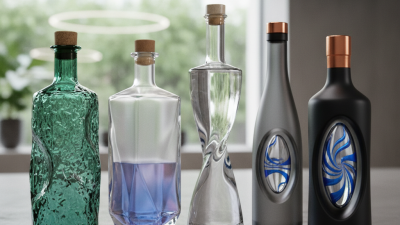
When selecting a vodka bottle, the design and aesthetic appeal play crucial roles. A study by the Beverage Marketing Corporation shows that packaging influences consumer choices significantly. About 70% of buyers are drawn to attractive bottle designs. A great-looking bottle can turn heads and create a lasting impression.
Consider the shape and color of the bottle. Unique silhouettes can evoke luxury and sophistication. Clear glass allows consumers to appreciate the purity of the vodka. Meanwhile, colored bottles can suggest flavor or brand heritage. Research suggests that 40% of consumers associate darker colors with richer tastes. This perception can create an expectation that enhances the overall experience.
However, don’t overlook functionality for the sake of aesthetics. Some beautifully designed bottles can be impractical. Caps that are hard to open or bottles that are challenging to pour can detract from the enjoyment. It’s essential to find a balance. Striking visuals should not overshadow usability. Focus on brands that offer both beauty and functionality for the best experience.
Checking Price Points and Value for Money in Vodka Choices
When selecting a vodka bottle, price plays a significant role. Vodka can range from affordable to premium. Understanding the price point helps you gauge what you can expect in terms of quality. Sometimes, higher prices can be misleading. A well-packaged bottle does not always guarantee better taste. Often, brands invest heavily in marketing, not in the product itself.
Evaluating value for money is crucial. Look for taste tests or rating systems. These can guide you in choosing a vodka that offers quality without breaking the bank. Seek out lesser-known brands that provide excellent taste. They might surprise you. Be open to experimenting. Discounts and sales can also lead to great finds. However, be cautious of impulse buys, as not every deal indicates a quality choice.
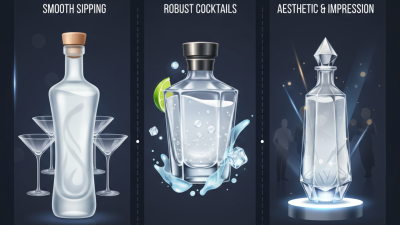
Consider what you’ll use the vodka for. Cocktails require different qualities than sipping straight. Additionally, personal preferences influence your decision. What someone enjoys, you may not. Rely on your senses rather than just price tags. It’s all about finding a balance between cost and satisfaction. Your perfect vodka might be right within your budget.