How to Choose Wine Bottles at the 139th Canton Fair?
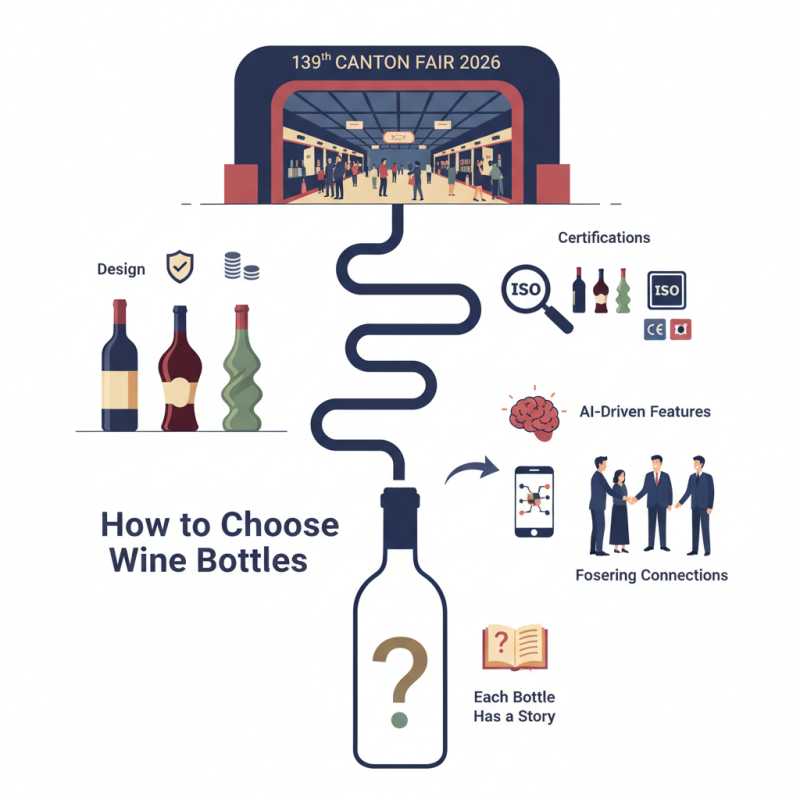
Attending the 139th Canton Fair offers a unique opportunity to explore Wine Bottles. This event, taking place from April 15 to May 5, 2026, will showcase various products. Wine enthusiasts and suppliers converge here, fostering connections.
Navigating through 155,000 square meters of exhibition space can be overwhelming. AI-driven features aid in finding suppliers that meet specific qualifications. For those seeking quality Wine Bottles, it is essential to focus on reputable suppliers. Look for certifications like ISO and CE. These credentials often indicate higher standards in production.
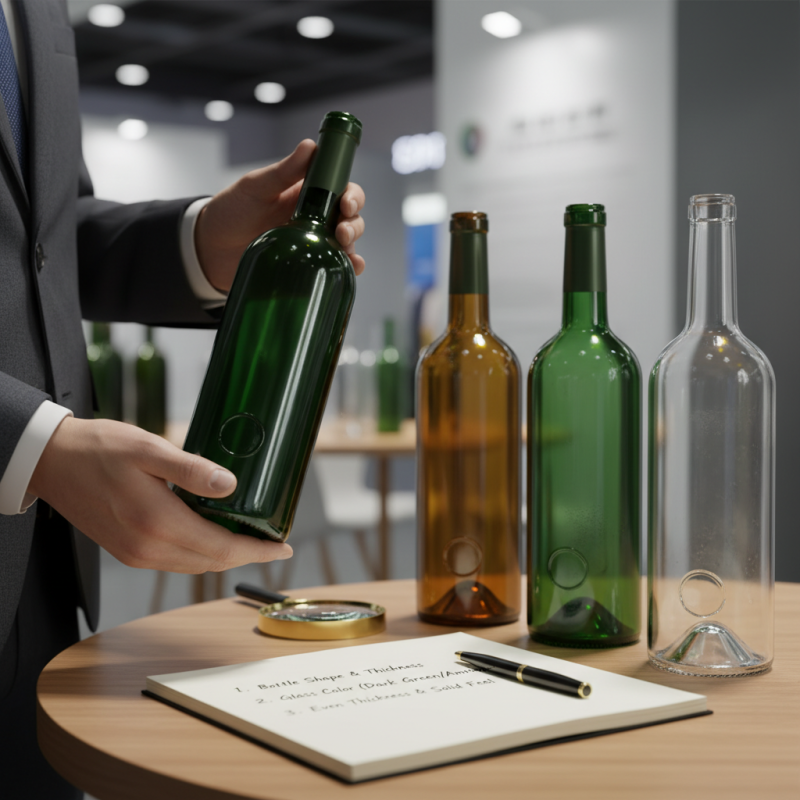
As you select Wine Bottles, consider the design, quality, and price. Reflect on each choice. Is the bottle visually appealing? Does it enhance the wine's profile? Sometimes, the best selections are not the most obvious ones. Take the time to explore different offerings. Each bottle has a story to tell.
Understanding the Importance of Wine Selection at Trade Fairs
Choosing the right wine at trade fairs can be crucial. A good selection can enhance your portfolio. It’s not just about what looks good. Consider the taste profiles and the story behind each bottle. People love unique stories. They often influence buyers' decisions.
At the 139th Canton Fair, observe what draws attention. It might be a beautiful label or a captivating story. However, you should not be overly swayed by packaging. Taste samples can reveal more than a pretty design. You might taste something unexpected. It’s a chance to discover hidden gems.
Engaging with producers is vital. Ask questions about their methods. Understand the sourcing of grapes and the production process. Mistakes do happen when rushing. Don’t overlook small producers; they can offer unique selections. Your choices reflect your brand identity, so make them count. Take time, even if it feels like a lot to manage.
Evaluating Wine Labels: What to Look For
When evaluating wine labels, it's essential to focus on key information that reflects quality and region. The label often provides insight into the wine's origin, grape variety, and vintage year. In a recent industry report, it was found that 85% of consumers consider the region of production crucial. Regions like Bordeaux or Napa Valley typically signify high standards. However, consumers may overlook emerging regions that produce excellent wines.
Look closely at the grape variety mentioned on the label. Different grapes yield varying flavor profiles. For instance, Cabernet Sauvignon is bold, while Pinot Noir is lighter and fruitier. A report from the Wine Institute notes that varietals contribute to over 75% of overall wine sales. This highlights their significance in guiding consumer choices. Yet, not all labels provide clear information. Some wines might use vague descriptions that could mislead.
Don't forget the vintage date. It indicates the year grapes were harvested. According to an analytical study by Wine Enthusiast, vintage quality can vary greatly. Not all years yield the same results, so researching the specific vintage can be beneficial. Labels sometimes embellish characteristics. So, be wary of overly descriptive terms that may lack substance. Always cross-reference these details with reliable sources.
How to Choose Wine Bottles at the 139th Canton Fair? - Evaluating Wine Labels: What to Look For
| Wine Type |
Country of Origin |
Price Range (USD) |
Alcohol Content (%) |
Pairing Suggestions |
Label Design Notes |
| Red Wine |
France |
20 - 50 |
12.5 - 14.5 |
Beef, Lamb |
Elegant, Classic Design |
| White Wine |
Italy |
15 - 35 |
11 - 13 |
Seafood, Chicken |
Fresh, Modern Look |
| Rosé Wine |
Spain |
10 - 30 |
12 - 13.5 |
Salads, Light Dishes |
Playful, Bright Colors |
| Sparkling Wine |
Champagne, France |
25 - 200 |
11 - 12 |
Desserts, Celebrations |
Luxurious, Sophisticated |
Communicating with Suppliers: Questions to Ask
Choosing wine bottles at the 139th Canton Fair can be both exciting and overwhelming. When communicating with suppliers, it's crucial to ask the right questions. Start by understanding the types of wines they offer. Are they focusing on red, white, or sparkling? This can guide your selection process. Pay attention to details such as the wine’s origin, grape variety, and vintage. This information can help you make informed decisions.
Here are some tips. Ask about their production methods. Are they using traditional techniques or modern technology? Understanding this aspect can impact the wine’s quality. Don’t hesitate to sample some wines if possible. Tasting helps you grasp the flavor profile better. It's easy to be drawn to attractive bottles, but don't overlook the liquid inside.
Also, inquire about pricing and minimum order quantities. Sometimes, suppliers may not present their best offers upfront. It’s crucial to negotiate. Take notes on different suppliers' responses. Reflect on the lack of consistency in pricing when comparing options. This can lead to better insights about market trends. Ultimately, choosing the right wine involves a blend of knowledge and thoughtful discussions.
Sampling Techniques: How to Test Wine Effectively
Choosing wine at the 139th Canton Fair requires effective sampling techniques. When testing wine, the first step is to observe its appearance. Look for clarity and color. A deep, rich hue often indicates quality. Swirl the glass gently to release aromas. This simple act can reveal a lot. Take notes on what you smell; fruits, spices, or earthiness can indicate different profiles.
Next, the tasting process is crucial. Take a small sip and let it coat your palate. Note the sweetness or acidity levels. Is it balanced? How does it feel? Texture plays a significant role. Some wines are smooth, while others may be astringent. It’s essential to reflect on these qualities. Sometimes, a wine might look appealing but taste too harsh or off-balance.
Remember, wine tasting is subjective. Your preferences will guide your choices. Do not be afraid to ask questions. Engage with producers; learn about their methods and philosophies. This can enhance your understanding. Each bottle tells a story, and sampling is just the beginning of your journey.
Wine Sampling Techniques at the 139th Canton Fair