How to Choose the Best Jam Jars for Your Business Needs?
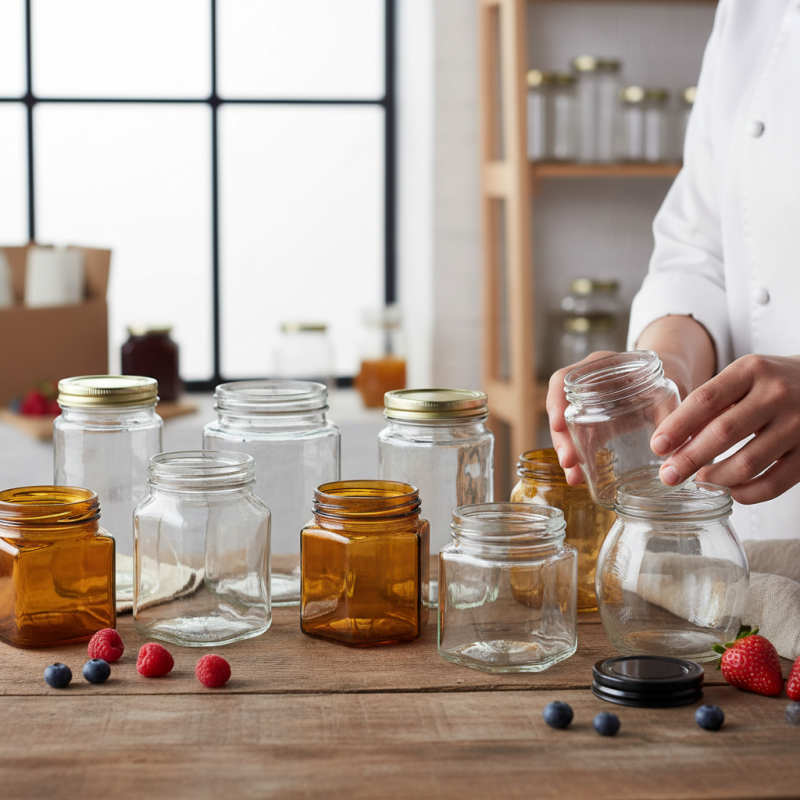
Choosing the right jam jars is crucial for any food business. As Jamie Collins, a renowned expert in food packaging, puts it, "The right jar can elevate your product's appeal." In the jam jar industry, decisions span from size, material, to design. These factors can influence customer perception significantly.
Selecting jam jars involves more than just aesthetics. Quality and functionality matter, too. For instance, a glass jar may enhance the visual experience, but consider its weight and shipping costs. It's important to balance beauty with practicality. Each jar must protect the product and ensure freshness.
Moreover, be mindful of potential pitfalls. Not all suppliers maintain high standards. Research their credibility before committing. A poorly chosen jar can lead to leaks or spoilage, damaging your brand's reputation. Reflecting on these details can help steer your business toward success in a competitive market.
Identifying the Different Types of Jam Jars Available in the Market
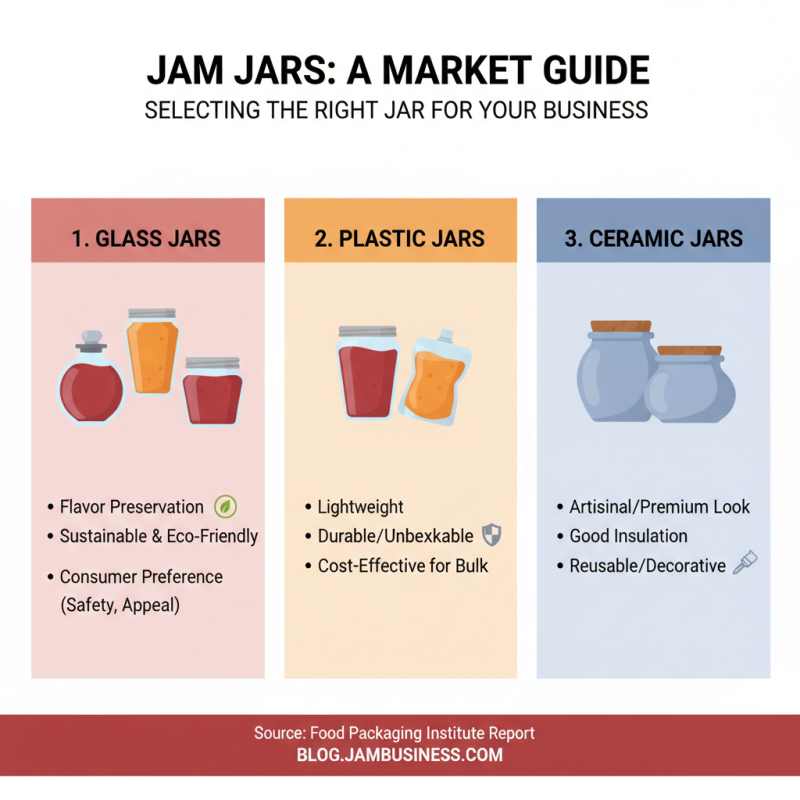
When selecting jam jars for your business, understanding the types available is crucial. Major categories include glass jars, plastic jars, and ceramic jars. Glass jars are popular due to their ability to preserve flavor. They are also sustainable, aligning with the growing demand for eco-friendly products. A report from the Food Packaging Institute highlights that consumers prefer glass for its appeal and safety.
Plastic jars offer flexibility and lightweight benefits. They are less breakable, making them practical for transportation. However, they face criticism for environmental impact. According to the Packaging Waste Alliance, approximately 30% of plastic jars end up in landfills. This statistic raises questions about sustainability in packaging choices.
Ceramic jars combine aesthetics with functionality. They often feature artistic designs, attracting consumers. However, their higher costs can deter some businesses. Moreover, the fragility of ceramics might not suit all shipping methods. Each jar type has its pros and cons. Evaluating them based on your market can lead to smarter purchasing decisions. Balancing quality, cost, and sustainability is key to making the right choice for your brand.
Understanding Your Business Needs: Capacity and Size Considerations
When selecting jam jars for your business, capacity and size are crucial factors. Start by considering your product offerings. If you create small-batch artisanal jams, smaller jars may suit your needs. They often appeal to customers looking for unique flavors in manageable portions. A 250ml jar can be perfect for this market.
However, if you provide larger quantities for restaurants or food services, consider bigger jars. A one-liter jar may be ideal for bulk orders. Sizing matters, as it affects your production process and storage. Evaluate how much shelf space you have available. It’s also necessary to factor in the weight of the jars. Heavy glass can be more durable but may increase shipping costs.
Don't forget about the aesthetic appeal. Jars should reflect your brand’s identity. Clear glass offers visibility but may require extra labeling to stand out. Think about whether to focus on functionality or presentation in your choice. Many businesses grapple with this balance, leading to middle-ground solutions that might not fully satisfy. Reflect on your needs, and let that guide your decision.
Jam Jar Size and Capacity Comparison
Evaluating Jar Material: Glass vs. Plastic for Jam Preservation
When selecting jars for jam, material choice is crucial.
Glass and plastic each have unique attributes that can affect preservation. Glass jars are often favored for their non-reactive nature.
They preserve flavor, aroma, and nutrients better than plastic. Many professionals argue that glass offers a more appealing presentation.
Customers frequently associate glass jars with premium quality.
Plastic, however, has its advantages. It’s lighter and less prone to breakage, making it suitable for shipping.
Many small businesses prefer plastic for easy handling. While plastic can leach chemicals over time, advancements have led to safer options.
Some manufacturers now produce BPA-free plastics which reduce health concerns. Yet, questions persist about long-term quality and environmental impact.
Choosing the right jar involves weighing these factors. Think about shelf life, customer perception, and distribution methods.
Glass might enhance your product image, but plastic offers practicality.
Your decision should reflect your brand's values. Testing samples could reveal unexpected preferences among your customers, prompting further reflection on your choice.
Assessing Jar Design Features: Lids, Seals, and Usability
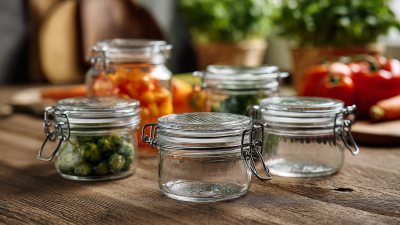
When selecting jam jars for your business, design features are crucial. Lids are often the first line of defense against spoilage. Consider the material and fit of the lids. Metal lids can provide a secure seal, but they may rust over time. Plastic lids, while lighter, could lead to leakage if not properly designed.
Seals play a significant role in maintaining freshness. Look for jars with airtight seals. They should prevent air from entering while keeping your product safe during storage. Testing the seal before bulk purchasing is wise. A poor seal can lead to wasted products and disappointed customers.
Usability is another key factor. Ergonomic designs make it easier for customers to open jars. A jar that is challenging to open could deter repeat business. Also, consider the jar shape. A wider mouth can help with filling and cleaning. Customers often appreciate ease of use when enjoying your product at home. Balancing these features with aesthetic appeal can strengthen your brand identity.
How to Choose the Best Jam Jars for Your Business Needs? - Assessing Jar Design Features: Lids, Seals, and Usability
| Jar Type |
Material |
Lid Type |
Seal Quality |
Usability Features |
| Standard Glass Jar |
Glass |
Screw Cap |
Hermetic Seal |
Wide Mouth Opening |
| Square Jar |
Glass |
Metal Lid |
Vacuum Seal |
Easy to Stack |
| Plastic Jar |
Plastic |
Twist-Off Cap |
Foil Seal |
Lightweight |
| Mason Jar |
Glass |
Lug Lid |
Insulated Seal |
Reusable |
| Fancy Jar |
Glass |
Cork Stopper |
Air-Tight Seal |
Decorative Design |
Budgeting for Jam Jars: Cost-Effectiveness and Supplier Options
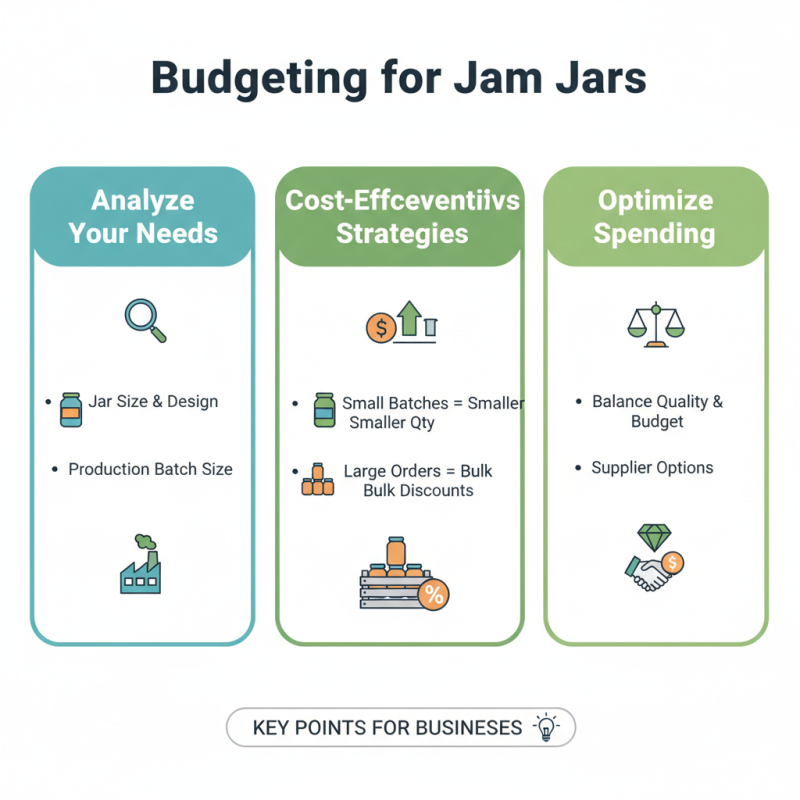
When budgeting for jam jars, cost-effectiveness is crucial. Start by analyzing your business needs, such as jar size and design. Small production batches may benefit from purchasing in smaller quantities. However, larger orders often yield discounts. Balance your need for quality with your budget to optimize spending.
Consider supplier options carefully. Research local and online suppliers, comparing prices and reviews. Some suppliers offer bulk purchase discounts. Pay attention to shipping costs, as they can significantly affect total expenses. Look for suppliers that prioritize sustainability, which could enhance your brand image and appeal to a growing eco-conscious market.
It's also important to remain flexible. Occasionally, unexpected costs arise, such as price hikes or shipping delays. Having a buffer in your budget allows room for adjustments without compromising quality. Investing time in finding the right suppliers and understanding your needs will ultimately result in better financial outcomes. However, always be prepared to reassess your choices as market conditions shift.