How to Choose the Best Glass Sealing Lids for Your Home Canning Needs
Canning at home has become a popular trend, allowing individuals to preserve seasonal fruits and vegetables while enjoying the satisfaction of homemade goods. One crucial element in this process is the use of quality glass sealing lids, which play an essential role in maintaining food safety and extending shelf life. As you embark on your canning journey, understanding how to choose the best glass sealing lids for your needs is vital to ensure a successful and enjoyable experience.
When selecting glass sealing lids, it's important to consider factors such as compatibility with your jars, the material's durability, and the sealing mechanism's effectiveness. A reliable lid will create an airtight seal that prevents spoilage and guarantees that your preserved items remain fresh for months or even years. With a myriad of options available on the market today, knowing what to look for can save you time, effort, and potential disappointment.
In this guide, we will explore the key features to consider when choosing glass sealing lids, helping you make an informed decision that suits your home canning preferences. Whether you're a beginner or a seasoned canner, the right glass sealing lids will enhance your canning experience and ensure delicious results every time.
Factors to Consider When Choosing Glass Sealing Lids for Canning
When choosing glass sealing lids for your home canning needs, there are several important factors to consider to ensure the safety and longevity of your preserved goods.
First, it's crucial to select lids that are compatible with your jars. Different jar sizes and brands may require specific lid types, so always verify that your chosen lids fit snugly to ensure a proper seal.
Material quality is another crucial aspect. Look for lids made from durable glass that can withstand high temperatures during sterilization. Specialized sealing compounds on the lids can also provide a better seal, preventing air from entering and spoiling your food. Check for any imperfections or damages in the glass before purchasing, as these can compromise the seal and the safety of your canned goods.
Tips: Always test the lids after sealing your jars by pressing down in the center of the lid; if it pops back up, the seal is not secure. Additionally, consider investing in reusable lids, which can be both eco-friendly and cost-effective over time. Finally, pay attention to expiration dates or manufacturing dates on the lids, as using old or outdated lids can lead to poor sealing and potential spoilage.
Types of Glass Sealing Lids: A Comparison of Options and Their Uses
When it comes to home canning, choosing the right glass sealing lids is crucial for successful preservation. There are several types of glass sealing lids available, each offering unique benefits and suited for different canning practices. Regular glass lids, commonly found in many canning kits, provide a reliable seal but are typically single-use and require a separate metal band. Reusable glass lids, increasingly popular among eco-conscious canners, offer a sustainable option that can last for multiple uses, making them economical in the long run.
Another alternative is the silicone sealing lids, which provide flexibility and may adapt to jars of varying sizes. These lids often facilitate an easy release of the vacuum seal, making them user-friendly for novice canners. It’s essential to consider the type of food you will be preserving when selecting a lid, as acidity levels can affect the effectiveness of the seal. Additionally, some lids are better suited for certain canning methods, like water-bath or pressure canning.
**Tips:** Always check for compatibility between your jars and lids to ensure a proper fit. Before canning, sanitize your glass lids and jars thoroughly to eliminate bacteria that could compromise seal integrity. Lastly, follow recommended guidelines for processing times and methods to achieve the best results in your canning endeavors.
How to Choose the Best Glass Sealing Lids for Your Home Canning Needs
| Type of Glass Sealing Lid |
Material |
Reusable |
Best For |
Price Range |
| Standard Mason Jar Lids |
Metal with a rubber seal |
No |
Fruits, Vegetables, Jams |
$0.10 - $0.50 each |
| Glass Lids with Silicone Seal |
Borosilicate Glass |
Yes |
Fermenting, Pickling |
$1.50 - $3.00 each |
| Plastic Dome Lids |
Polypropylene |
Yes |
Short-Term Storage |
$0.50 - $1.00 each |
| Wide Mouth Lids |
Metal with a rubber seal |
No |
Sauces, Soups, Large Vegetables |
$0.15 - $0.60 each |
How Thickness and Material Impact the Effectiveness of Glass Sealing Lids
When selecting glass sealing lids for your home canning needs, the thickness and material of the lid play a crucial role in determining its effectiveness. Thicker lids generally provide a more reliable seal compared to their thinner counterparts, as they can withstand higher pressure and temperature changes during the canning process. This not only helps in preserving the food for a longer period but also reduces the risk of contamination. Keep in mind that while thicker lids might offer more durability, they can also add to the weight, which is a factor to consider if you have a large quantity of jars to handle.
The material used in glass sealing lids can also impact their performance. High-quality glass is typically preferred, as it is less likely to warp or crack over time, ensuring a perfect fit on the jar. Additionally, certain coatings or treatments can enhance the lid’s resistance to corrosion and increase its longevity. It's essential to choose lids that are specifically designed for canning to guarantee that they meet safety standards and perform effectively under various conditions.
Tip: Always inspect your glass sealing lids for any chips or defects before using them, as these imperfections can compromise the seal. Additionally, consider the climate and storage conditions where your canned goods will be kept, as this may influence your choice of lid thickness and material to ensure optimal preservation.
How to Choose the Best Glass Sealing Lids for Your Home Canning Needs
This chart illustrates key dimensions affecting the effectiveness of glass sealing lids for home canning. It provides insights on how thickness, material type, seal integrity, and durability impact the overall performance of sealing lids.
Understanding the Role of Rubber Gaskets in Achieving Airtight Seals
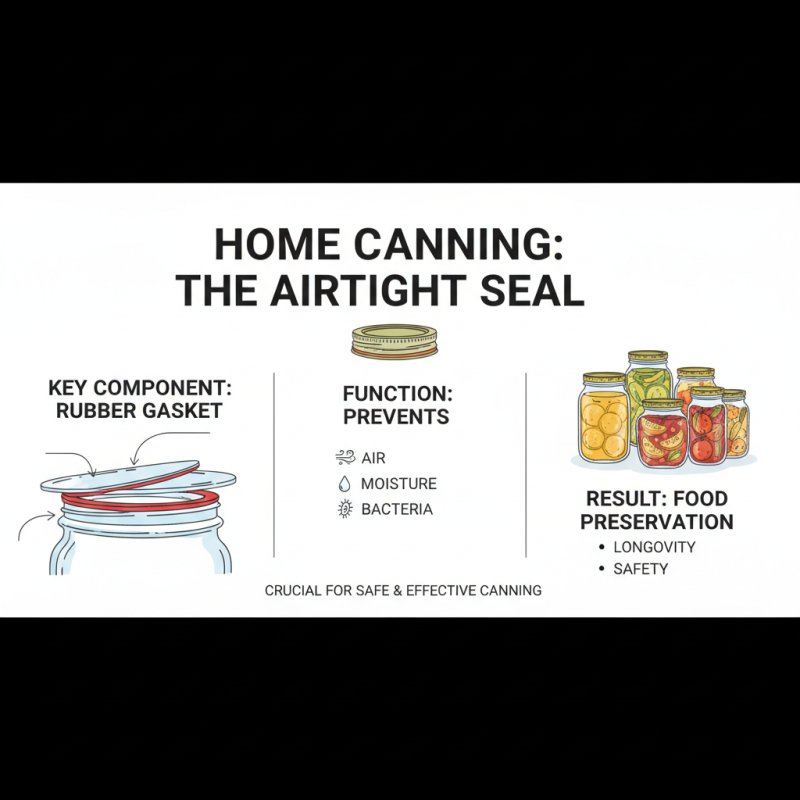
When it comes to home canning, achieving a proper airtight seal is crucial for preserving food safely and effectively. One key component in this process is the rubber gasket, which plays a significant role in ensuring that canning jars remain sealed during storage. The rubber gasket fits snugly between the glass lid and the jar rim, creating the necessary barrier to prevent air, moisture, and bacteria from entering. A good quality gasket can make all the difference in the longevity and safety of your canned goods.
Rubber gaskets come in various materials and thicknesses, impacting their sealing capabilities. It’s important to choose gaskets that are specifically designed for canning to ensure they withstand the high temperatures and pressures involved in the canning process. Additionally, inspecting the gaskets for wear and tear before each use is essential. Cracks, tears, or any signs of degradation can compromise the seal, leading to spoilage. By understanding the role of rubber gaskets and selecting the right ones for your jars, you can enhance your food preservation efforts and enjoy your canned goods with confidence.
Best Practices for Maintaining and Storing Glass Sealing Lids for Longevity
Maintaining and storing glass sealing lids properly is essential for ensuring their longevity and effectiveness in home canning. First and foremost, after each use, it’s important to clean the lids thoroughly. Use warm, soapy water to remove any food residue, and avoid using abrasive materials that might scratch the surface. Rinse them well and let them air dry completely before storing. Proper drying prevents moisture accumulation, which could lead to mold or deterioration over time.
When it comes to storage, consider keeping the lids in a cool, dry place away from direct sunlight. Storing them in a container or organizer will help keep them separate and minimize the risk of damage caused by crushing or bending. Additionally, ensure the lids are stacked neatly without heavy objects resting on them. Keeping lids in their original packaging, if possible, can also provide an extra layer of protection from dust and physical impact. By following these best practices for maintaining and storing glass sealing lids, you can extend their useful life and ensure your canning projects are successful.