How to Choose the Best Clear Glass Caps for Your Needs?
When selecting the ideal clear glass caps, the insights of industry expert Dr. Emily Carter come to mind. She once stated, "Choosing the right clear glass cap is essential for both functionality and aesthetics." This statement underscores the importance of understanding what modern clear glass caps offer. They can enhance product visibility while providing a durable sealing solution.
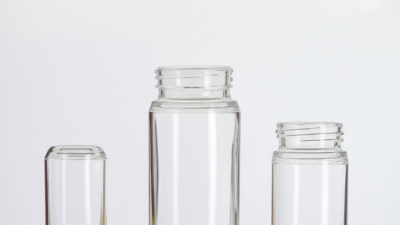
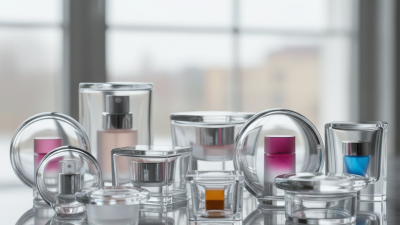
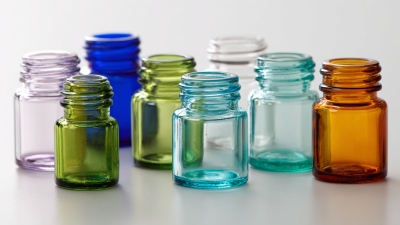
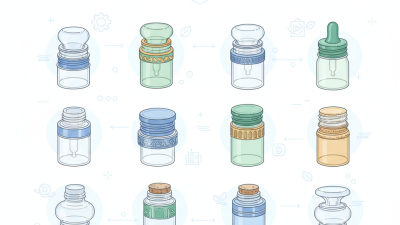
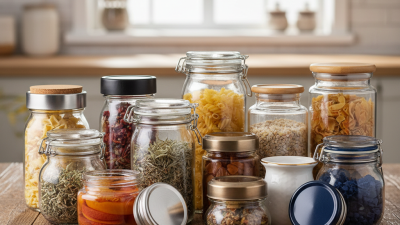
Clear glass caps vary widely in design, size, and material. They are used across various industries, from cosmetics to food packaging. A well-chosen cap can elevate your product's appeal. It's vital to consider factors such as compatibility with contents, ease of use, and overall visual appeal.
However, the selection process isn't always straightforward. Many overlook how cap quality can impact product shelf life and consumer perception. Reflecting on this can lead to smarter choices. Making impulsive decisions may result in poor fit or presentation. Careful consideration of these elements will aid in identifying the best clear glass caps for your specific needs.

Factors to Consider When Selecting Clear Glass Caps for Different Uses
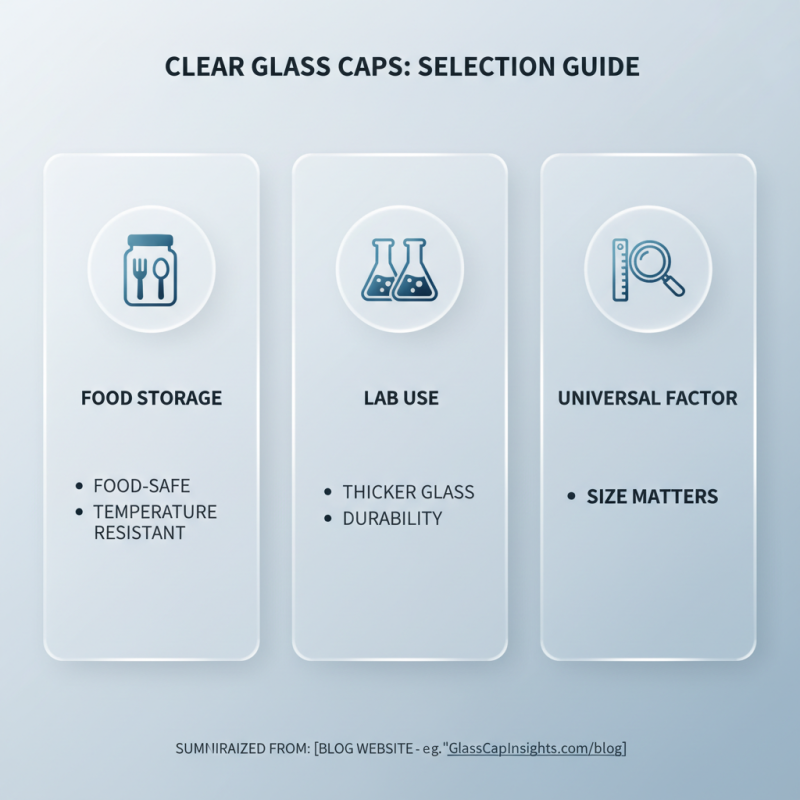
When selecting clear glass caps, consider the specific usage requirements. Different applications may need distinct characteristics in the glass caps. For instance, if you're using them for food storage, ensure that they are food-safe and can withstand temperature changes. Caps designed for lab use may need thicker glass for durability and to prevent breakage. Think about the size as well. Too small or too large caps can ruin the purpose.
Transparency is another vital factor. The clarity of the glass impacts visibility and aesthetics. If you aim to display contents, high clarity is crucial. On the other hand, if the cap is merely functional, frosted or slightly opaque glass might suffice. Additionally, think about the sealing mechanism. Some applications require a tight seal to prevent leaks, while others may not.
Lastly, reflect on the aesthetics of your chosen glass cap. The design should complement your project. Simple, elegant designs may enhance visual appeal, while more intricate patterns might serve artistic needs. Ultimately, consider your priorities and how they influence your selection process. Each choice you make shapes the overall functionality and look of your project.
Material Quality: Understanding Glass Types and Their Properties
When selecting clear glass caps, understanding material quality is crucial. Glass types vary significantly in properties. Common glass types include soda-lime glass, borosilicate glass, and lead glass. Each has unique attributes that impact durability, thermal resistance, and clarity. Soda-lime glass, the most popular choice, is affordable but more prone to breakage. Borosilicate glass offers superior thermal shock resistance, making it ideal for high-temperature applications.
Data from the Global Glass Market Report shows that borosilicate glass is expected to grow by 5% annually due to its demand in laboratory and kitchenware. Lead glass, known for its excellent clarity, is often used in decorative items. However, it is heavier and can leach lead if not properly made. Therefore, it’s essential to consider the purpose of your glass caps when choosing a type.
**Tip**: Always check for certifications to ensure the glass meets industry safety standards. This increases the reliability of your choice. Consider how the choice of glass affects not only aesthetics but also functionality. Inadequate knowledge can lead to poor choices that may compromise your project. Weigh the benefits and drawbacks of each glass type before making a final decision.
How to Choose the Best Clear Glass Caps for Your Needs? - Material Quality: Understanding Glass Types and Their Properties
| Glass Type |
Thermal Resistance (°C) |
Chemical Resistance |
Clarity |
Cost (per unit) |
| Borosilicate Glass |
-70 to 500 |
High |
Excellent |
$2.50 |
| Soda-Lime Glass |
-20 to 300 |
Moderate |
Good |
$1.20 |
| Tempered Glass |
-30 to 200 |
High |
Very Good |
$3.00 |
| Quartz Glass |
-60 to 1100 |
Very High |
Exceptional |
$5.00 |
Size and Fit: How to Measure for Perfect Compatibility
When it comes to selecting clear glass caps, sizing is critical. The right fit ensures durability and functionality.
Start by measuring the diameter of the opening where the cap will sit. Use a caliper for precise measurements. If you only have a ruler, that will work too. Just be careful to note any
irregularities in size.
Next, consider the height and depth of the cap. These measurements can affect how well it seals. A cap that is too shallow may not cover properly, while one that is too tall could
cause balance issues. Patience is key here, as taking the time to measure accurately can prevent future headaches.
Finally, keep in mind that clear glass can vary slightly in thickness. This can impact the fit, especially if the glass is not perfectly uniform.
Always check for small imperfections in your measurements. Remain open-minded about the adjustments needed. Sometimes a perfect fit is not achievable. However, the right adjustments
can lead to a better overall use of clear glass caps.
Design and Aesthetics: Choosing the Right Style for Your Projects
When selecting clear glass caps for your projects, design plays a crucial role. The right style can enhance the overall look of your creation. Consider the intended use of the caps. Are they for decorative jars or functional bottles? A minimalist cap may suit modern projects, while ornate designs fit vintage themes. The shape of the cap also influences the aesthetics. Round caps offer a classic feel, whereas angular designs can add a contemporary twist.
Transparency is key for glass caps. It allows the contents inside to shine while maintaining a clean look. Choose caps with a smooth finish for elegance. Textured options can provide a rustic touch, adding depth to your design. Don’t overlook the importance of size. Caps that are too large can overwhelm small containers. Conversely, tiny caps might look lost on larger items.
Visualize how different styles will work together. Mixing various designs can create interesting contrasts. However, be wary of over-cluttering your project. Striking a balance is essential. Sometimes, a simple clear cap can speak volumes. Encourage yourself to experiment with different combinations. Reflect on what works and what doesn’t. This thoughtful approach can lead to unique and eye-catching designs.
Cost Analysis: Budgeting for Clear Glass Caps without Compromising Quality
Choosing the right clear glass caps involves a careful cost analysis. Budget constraints often lead to sacrifices in quality. According to a 2022 market report by Packaging Insights, clear glass packaging sales are expected to rise by 5% annually. Higher demand pushes prices, but that doesn't mean you need to overspend.
When evaluating options, consider the material and manufacturing process. Some companies may reduce costs by using lower-quality materials. This might not be immediately apparent but can impact durability. A study from the Glass Packaging Institute indicates that low-quality caps can lead to a 15% increase in product spoilage. Paying a little more upfront may save money long-term.
Be mindful of additional costs, such as shipping and handling. Depending on the supplier, these fees can significantly affect your budget. Industry analysis shows that nearly 20% of total costs come from logistics. It's essential to weigh these factors while shopping. Look for suppliers with transparent pricing. This can help you avoid unexpected expenses.