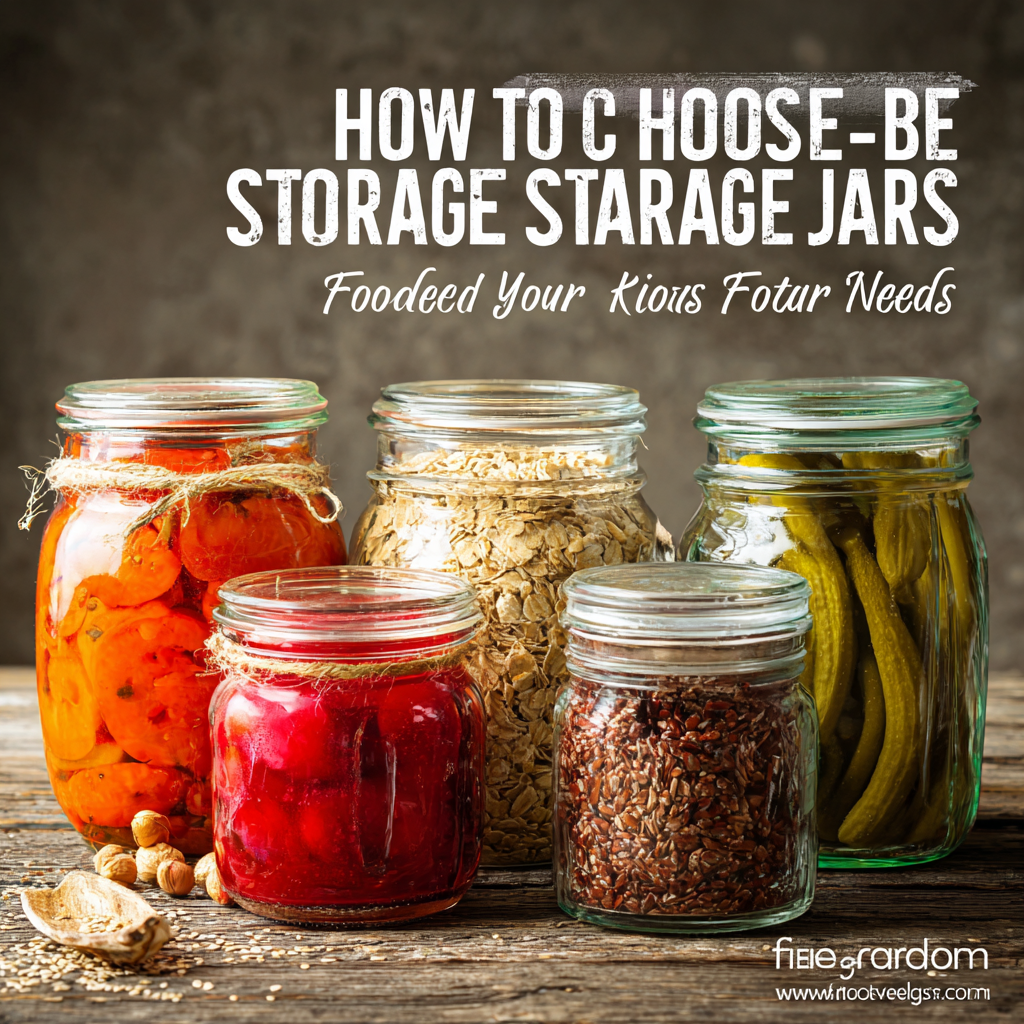
How to Choose the Best Food Storage Jars for Your Kitchen Needs
When it comes to kitchen organization, the importance of selecting the right
Food Storage Jars cannot be overstated.
According to the latest report from the Food Storage Association, the market for food storage solutions is projected to reach
$20 billion by 2025, highlighting a booming interest in effective food preservation methods.
Properly stored food not only reduces waste but also maintains flavor and nutrition, making the choice of
Food Storage Jars a critical decision for any household.
Industry expert Dr. Emily Michaels, a recognized authority on kitchen efficiency, states,
“Choosing the right Food Storage Jars is essential for both food safety and optimal freshness.
The material and design can significantly impact the longevity of stored items.” With various options such as glass, plastic, and stainless steel available,
it's essential to understand the unique benefits each type offers, as well as how they fit into your specific culinary needs.
This guide will provide insights into the top five Food Storage Jars that will not only enhance your kitchen's aesthetics
but also improve your food storage practices.
Types of Food Storage Jars: Understanding Materials and Their Benefits
When selecting food storage jars, understanding the different materials available is essential for meeting your kitchen needs.
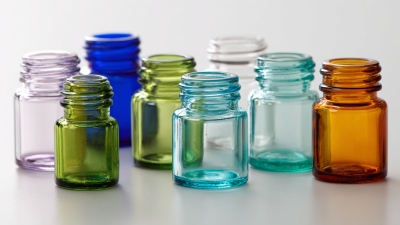
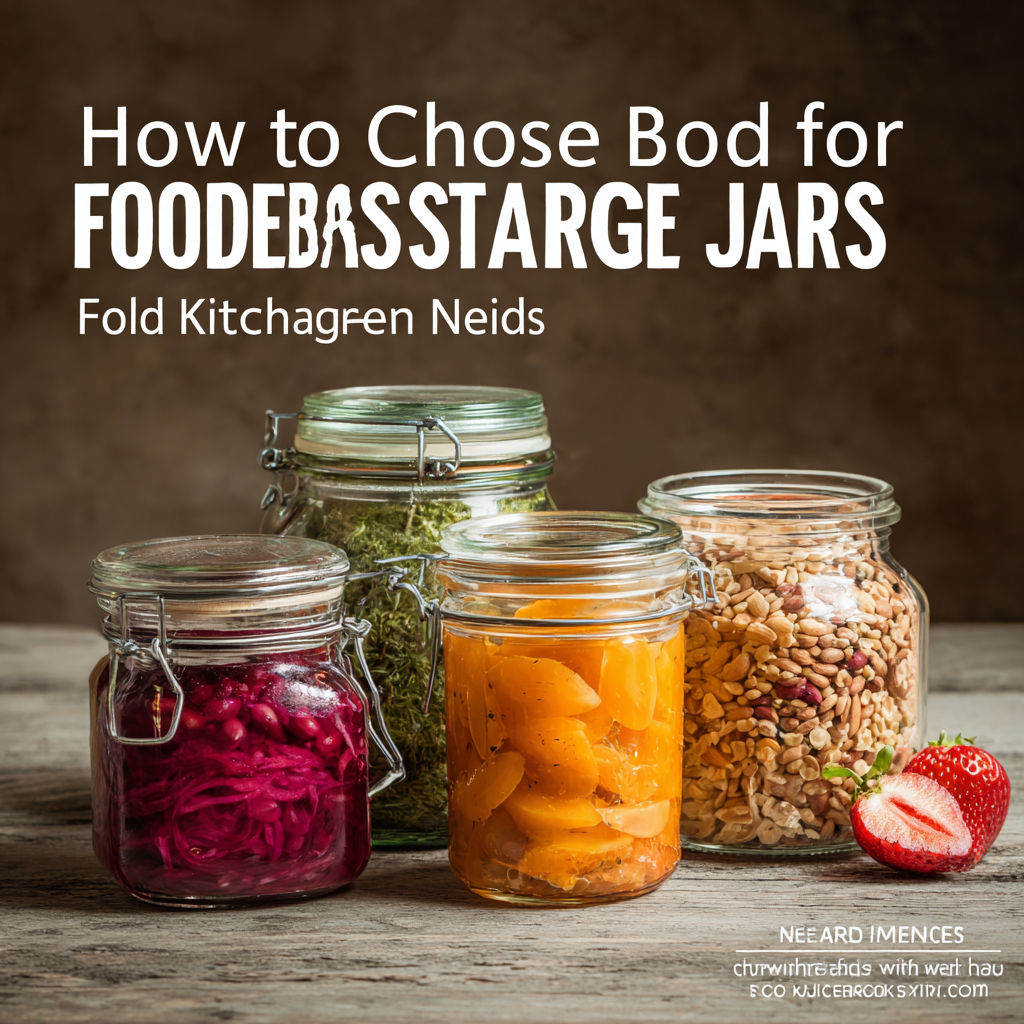 Glass jars are often favored for their non-reactive nature, which prevents food contamination and allows for easy visibility of contents.
They also do not retain odors or stains, making them a suitable choice for storage of spices, sauces, and other items.
Additionally, glass jars typically come with airtight lids, ensuring your food remains fresh for longer periods.
Glass jars are often favored for their non-reactive nature, which prevents food contamination and allows for easy visibility of contents.
They also do not retain odors or stains, making them a suitable choice for storage of spices, sauces, and other items.
Additionally, glass jars typically come with airtight lids, ensuring your food remains fresh for longer periods.
On the other hand, plastic jars are lightweight and durable, making them an ideal choice for families with children.
They are often available in various sizes and shapes, fitting easily in cabinets and refrigerators.
However, it is crucial to choose BPA-free plastic to avoid potential health risks.
Stainless steel jars, while more expensive, offer excellent durability and a sleek appearance, making them a stylish addition to any kitchen.
They are also resistant to rust and corrosion, providing longevity in storage solutions.
Understanding these materials and their benefits allows you to select the most suitable food storage jars tailored to your culinary needs.
The Impact of Jar Sizes on Storage Efficiency and Food Preservation
When selecting food storage jars for your kitchen, one critical aspect to consider is the size of the jars and how this impacts both storage efficiency and food preservation. According to industry reports, using appropriately sized containers can maximize space in your pantry by up to 30%, allowing for better organization and accessibility of ingredients. For example, smaller jars are ideal for spices and herbs, while larger jars work best for grains and pasta. This strategic selection not only leads to a tidier kitchen but also helps in reducing food waste by making it easier to keep track of inventory.
**Tips:** When choosing jar sizes, consider your cooking habits. If you frequently use certain ingredients, opt for larger jars to accommodate bulk purchases, while smaller jars can be used for less frequently used items. Additionally, select jars with airtight seals to maintain the freshness of your food for longer. Research indicates that food stored in sealed containers retains its quality up to 50% longer compared to unsealed storage.
Understanding the impact of jar sizes on your food storage can enhance your overall kitchen efficiency. The proper sizes allow for optimal stacking and arrangement on shelves, ensuring that you utilize every inch of space. As a crucial example, jars that hold about 1 to 2 liters are often recommended for everyday staples, as they balance between being large enough to minimize refilling while also being manageable in weight when full.
Choosing Lid Types: Comparing Airtight, Screw-On, and Clamp-Down Options
When selecting food storage jars for your kitchen, the type of lid you choose can significantly affect the quality and longevity of your stored items. Airtight lids are excellent for preserving foods like grains, spices, and liquids, as they prevent moisture and air exposure that can lead to spoilage. These lids typically feature silicone gaskets that create a tight seal, making them ideal for long-term storage.
Screw-on lids offer convenience and are often easier to handle than other types. They provide a decent seal for dry goods and are perfect for everyday use, such as storing cookies, pasta, or snacks. However, keep in mind that they may not be completely airtight, so they may not be suitable for items that require maximum freshness.
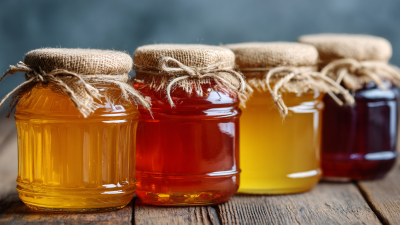
Clamp-down lids, on the other hand, excel in maintaining airtightness and are perfect for canning or preserving foods. These lids secure tightly with metal clamps and are ideal for storing pickles, jams, or anything you want to keep fresh for an extended period.
Tips: When choosing among these lid types, consider the types of food you plan to store and the storage conditions in your kitchen. If you frequently open the jars, opt for screw-on lids for ease of access, while airtight and clamp-down lids are better suited for rarely accessed items requiring superior preservation.
Comparison of Different Food Storage Jar Lid Types
This chart illustrates the popularity of different food storage jar lid types, giving you an insight into which options are preferred for kitchen needs.
Assessing the Role of Design and Aesthetics in Kitchen Organization
When selecting food storage jars for your kitchen, the role of design and aesthetics cannot be overlooked. Research indicates that a well-organized kitchen can enhance cooking efficiency by up to 30%, making it essential to choose storage solutions that are not only functional but also visually appealing. Aesthetic storage jars can serve as focal points within your kitchen, inspiring creativity and enhancing the overall cooking environment. According to a survey conducted by the National Kitchen & Bath Association, 77% of homeowners believe that a stylish kitchen contributes significantly to their daily culinary experience.
Additionally, the color, material, and design of food storage jars can influence the perception of cleanliness and order. Transparent glass jars, for instance, provide a clear view of contents, promoting better inventory management and reducing food waste. A report from the Food Waste Reduction Alliance indicates that well-organized storage spaces can lead to a 25% reduction in food waste, as they allow for easy access and visibility of ingredients. Therefore, investing in aesthetically pleasing and practical food storage solutions not only improves your kitchen's look but also enhances its efficiency and sustainability.
Investigating the Environmental Impact of Glass vs. Plastic Storage Solutions
The shift from plastic to more sustainable packaging solutions is becoming increasingly critical in today’s environmentally conscious market. While plastic has traditionally dominated the food packaging sector due to its durability, versatility, and cost-effectiveness, rising environmental awareness is driving demand for alternatives. It is projected that by 2032, the global food packaging market will significantly benefit from innovations, which are crucial for preserving food quality and extending shelf life. As consumers seek eco-friendly options, manufacturers are exploring materials such as glass and bamboo, which not only reduce environmental impact but also meet changing consumer preferences.
The bamboo packaging market, for example, is expected to see substantial growth, with projections indicating a rise from $531.3 million in 2025 to $827.15 million by 2032. This reflects a growing inclination toward sustainable materials. Additionally, the pharmaceutical amber glass bottle market is anticipated to grow at a compound annual growth rate of 5.8%, illustrating a broader trend favoring glass over plastics.
As brands innovate towards more sustainable practices, they are not only meeting regulatory pressures but also tapping into a lucrative segment of environmentally conscious consumers, enhancing both their market position and profitability while contributing positively to the planet.