How to Choose the Best Beer Bottles for Your Brewing Needs
Choosing the right beer bottles is crucial for any brewing endeavor. It's not just about aesthetics; the right choice impacts flavor and freshness. According to a report by the Brewers Association, over 70% of craft brewers cite packaging as a key factor in maintaining beer quality.
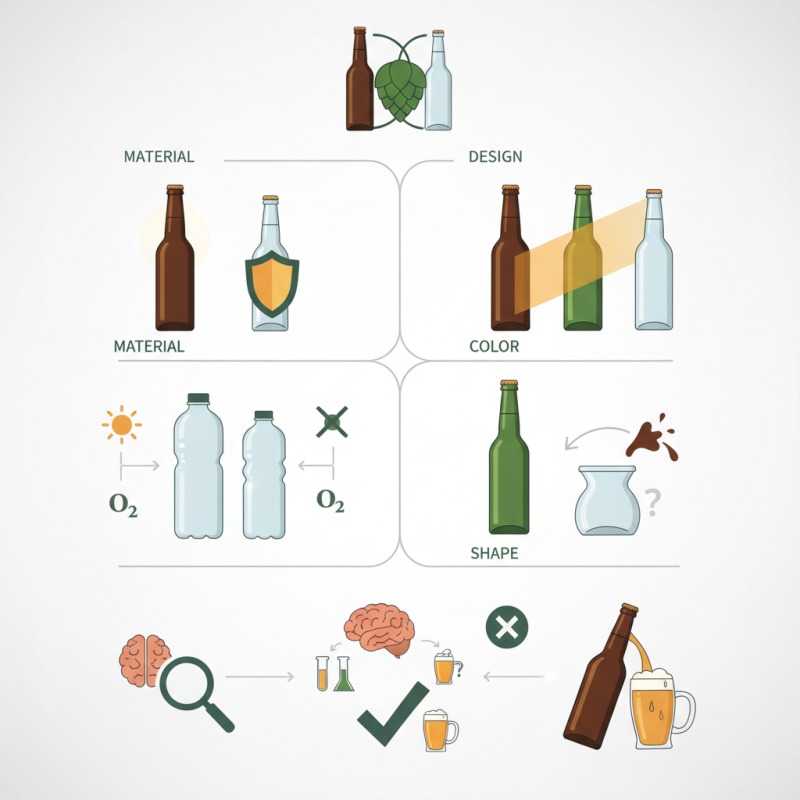
Expert James Reed, a veteran in the beverage industry, emphasizes, “Beer bottles must protect against light and oxygen to preserve the taste.” This insight underlines the importance of considering material and design. The choices range from glass to plastic, each affecting the beverage differently.
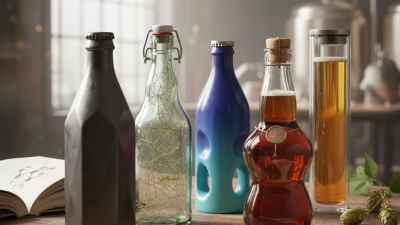
Brewing enthusiasts often overlook subtle details. For example, the color of a beer bottle impacts light exposure, and the shape influences the pouring experience. It's essential to reflect on these elements. Mistakes can happen, and they often lead to compromised quality. Choosing the wrong beer bottles may alter a carefully crafted brew's intended profile.
Understanding Different Beer Bottle Types for Brewing
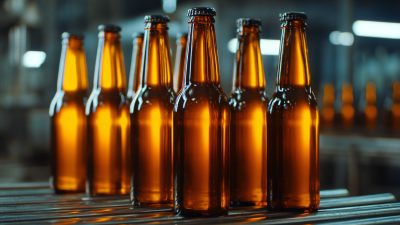
When brewing beer, selecting the right bottle type is crucial. Different bottle styles can affect the flavor and carbonation of your brew. For example, brown glass bottles protect against UV light, preserving beer quality. Clear bottles, while visually appealing, allow light to spoil beer quickly.
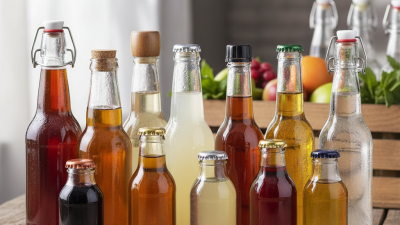
Consider the size of your bottles too. Common sizes include 12-ounce and 22-ounce options. Smaller bottles are great for sharing while larger ones provide convenience for solo sipping. You might find that the size impacts your drinking experience.
Tips: Always sanitize your bottles before use. This step ensures a clean environment for fermentation. Experimenting with different bottle types can also enhance your brewing journey. Pay attention to how each bottle handles carbonation and flavor over time. You may discover that some bottles work better for specific beers. Testing is key!
Evaluating Bottle Materials: Glass vs. Plastic for Beer Storage
When choosing beer bottles, material matters. Glass and plastic are both common options, but they have distinct advantages and disadvantages. According to industry reports, approximately 70% of craft brewers prefer glass bottles for their products. Glass is non-porous, which means it doesn’t absorb flavors or odors. This is crucial for maintaining the beer’s intended taste.
Tips: Consider your brewing style. If you are bottling highly-carbonated beers, glass might be a better choice. Its sturdiness can handle pressure better than plastic. However, glass is heavier and more fragile, making transportation a challenge.
On the flip side, plastic bottles have lightweight benefits. They are less likely to break during handling. Many home brewers opt for plastic for convenience, especially when storing beer short-term. But plastic can allow oxygen in, leading to flavor degradation over time. This affects the quality of the beer.
Tips: If using plastic, choose high-quality options labeled for beverage storage. Be mindful of how long you store your beer. Shortening that time can help preserve taste, even in plastic bottles. Remember, your choice should align with your brewing goals and preferences.
How to Choose the Best Beer Bottles for Your Brewing Needs
| Bottle Type |
Material |
Weight |
Light Protection |
Cost |
Recyclability |
| Standard Glass Bottle |
Glass |
350g |
High |
Moderate |
Yes |
| PET Bottle |
Plastic (PET) |
100g |
Low |
Low |
Yes |
| Dark Glass Bottle |
Glass |
350g |
Very High |
Moderate |
Yes |
| Aluminum Bottle |
Aluminum |
150g |
Medium |
High |
Yes |
| Swing-top Bottle |
Glass |
400g |
High |
Higher |
Yes |
Determining Appropriate Bottle Sizes for Your Homebrew
Choosing the right bottle size for your homebrew is crucial. The size can affect carbonation, flavor, and storage. Common options include 12-ounce, 16-ounce, and 22-ounce bottles. Each has its advantages and disadvantages.
Larger bottles hold more beer but can be hard to consume in one sitting. Smaller bottles are easier to drink quickly, but they might require more time to fill. Consider your guests when choosing the size. If you entertain often, variety is key. A mix of bottle sizes can cater to different preferences.
Tips: Think about storage space. Larger bottles take up more room. Also, consider the type of beer you brew. Some styles shine in smaller servings, while others benefit from larger formats. Lastly, ensure that the bottles are designed for carbonation. A weak bottle could lead to spills. Reflect on your brewing habits before making a decision.
Beer Bottle Sizes for Homebrewing
Assessing Cap Types and Their Impact on Beer Freshness
When choosing beer bottles, the cap type plays a crucial role in preserving freshness. There are primarily two types: crown caps and flip-top caps. Crown caps are the most common. They create a tight seal, which prevents oxygen from entering. This is vital because oxygen can spoil the beer quickly. On the other hand, flip-top caps add convenience for reclosure. However, they may not seal as effectively as crown caps, leading to risks of stale beer.
Freshness is everything in brewing. Factors like light exposure and temperature also matter. But let’s focus on caps. A poorly sealed bottle can lead to oxidation. This changes the taste profile. Experienced brewers know that even minor flaws can ruin a batch. They might overlook cap quality when rushing. It’s an easy mistake but a critical one.
To ensure better results, conduct experiments. Try different cap types on the same batch. Keep notes on taste and aroma changes. Observe how they hold up over time. This process can unveil valuable insights. Remember, learning comes from each attempt. Embrace the imperfections, and use them to improve your brewing journey.
Exploring Labeling Options for Homebrewed Beer Bottles
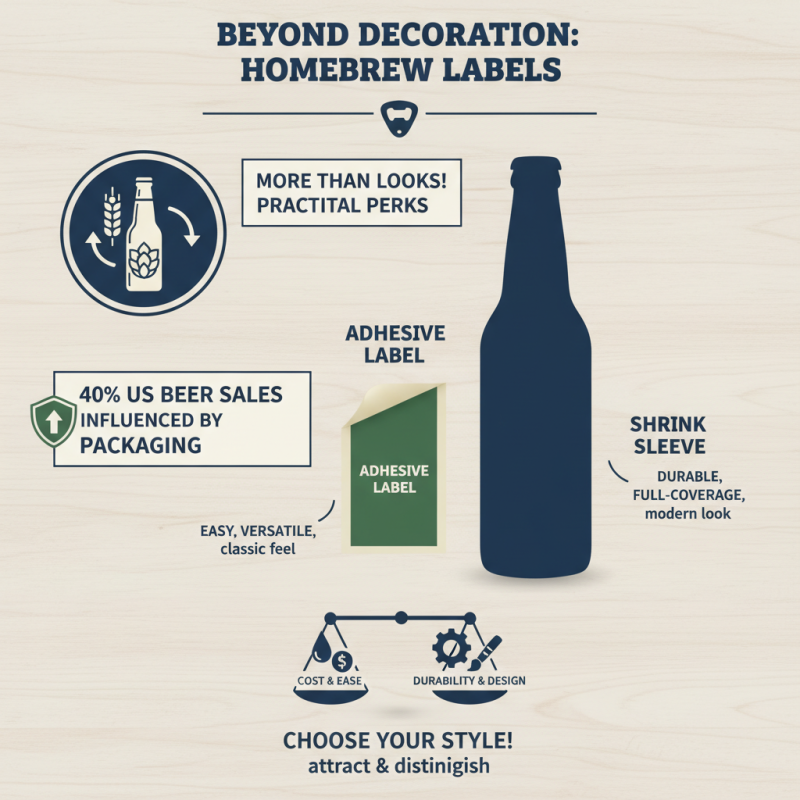
Labeling your homebrewed beer bottles is more than just decoration. It serves a practical purpose too. According to the Brewers Association, 40% of beer sales in the U.S. are influenced by packaging and labels. A well-designed label can attract consumers and set your brew apart. Options vary widely, from adhesive labels to shrink sleeves. Each has its own pros and cons, depending on your brewing style.
Homemade labels can be creative. However, they can also lack professionalism. Many homebrewers struggle with design. Simplicity often yields better results. Keep colors and fonts easy to read. Adding unique artwork can enhance appeal, but avoid clutter. A cluttered label may confuse drinkers.
Material matters greatly. Waterproof labels resist moisture but can be costly. Budget-friendly options may smudge or tear easily. Recent studies indicate that up to 25% of homebrewers encounter label-related issues. Failing to consider label durability can lead to disappointment. Take your time to research and choose wisely. Balancing creativity and functionality is key to a successful label design.