How to Choose the Best Water Bottles for Your Lifestyle?
Choosing the right water bottles can significantly impact daily hydration. According to the Beverage Marketing Corporation, bottled water consumption in the U.S. reached 15.76 billion gallons in 2021. This highlights how essential water bottles are in our modern lives. Yet, not all water bottles are created equal. Your lifestyle greatly influences what you need.
Consider outdoor enthusiasts who require durable, insulated options. Their needs differ vastly from office workers who might prefer sleek designs. Some bottles can keep water cold for 24 hours. This makes a difference on hot days. Also, think about eco-conscious consumers. Many seek reusable options to reduce plastic waste. A survey by Statista reported that 60% of Americans prioritize sustainability when buying products.
Reflecting on these patterns, it’s clear that choosing water bottles involves more than just convenience. It’s a nuanced decision influenced by personal habits, values, and activities. Each choice has implications for health and the environment. Making the right decision can streamline hydration while promoting better habits.
Identifying Your Lifestyle Needs for Water Bottle Selection
When selecting a water bottle, understanding your lifestyle is essential. Different activities demand different features. For instance, if you regularly engage in outdoor sports, a durable, insulated bottle could be vital. According to a report by Statista, about 63% of consumers consider portability as a key feature. A lightweight bottle is easier to carry, especially during hikes or biking trips.
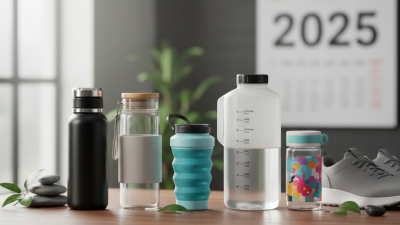
If you lead a busy urban life, opt for a bottle that fits in your bag. A bottle that can withstand daily wear will serve you well. Data from the Beverage Marketing Corporation indicates that reusable bottles are preferred by 41% of consumers for convenience. Reflect on how often you refill your bottle. A large capacity may seem appealing but could be cumbersome. Consider your hydration habits. Are you often forgetting to drink enough? A bottle with time markers could help encourage better hydration.
Your choice should align with your daily realities. Whether you prioritize aesthetics or functionality, each decision shapes your hydration experience. Think critically about your needs and the features that genuinely suit your lifestyle. It's okay if it takes some time to figure out what works best for you.
Evaluating Different Materials: Plastic, Glass, Metal, and Insulated Options
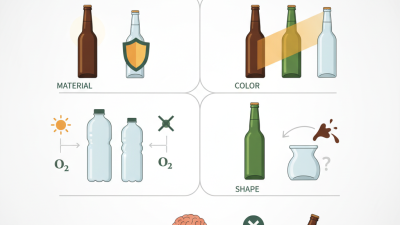
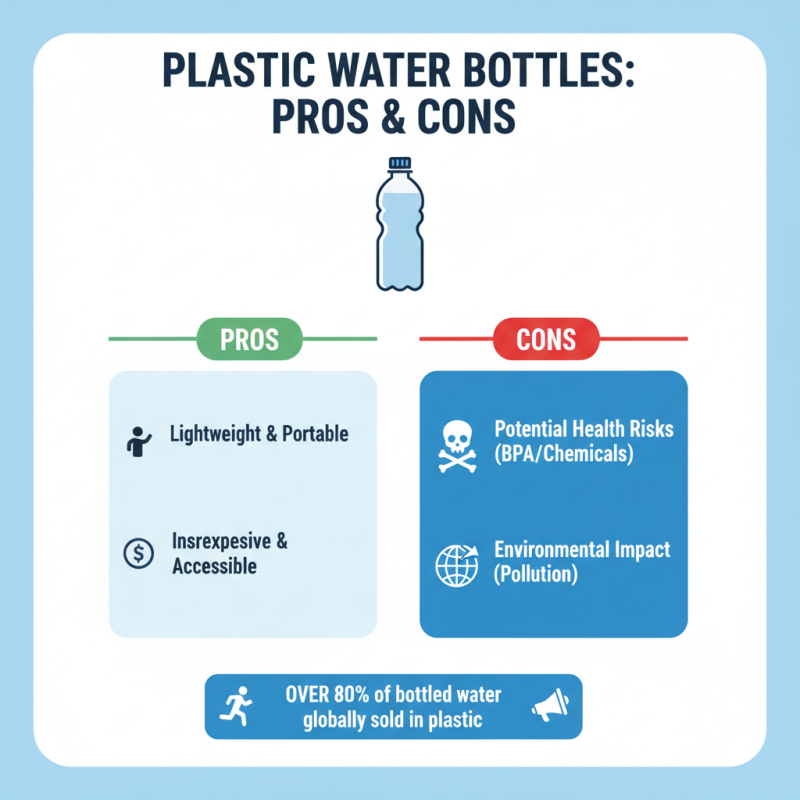
When selecting a water bottle, different materials offer unique benefits and drawbacks. Plastic bottles are lightweight and inexpensive. They often come in various colors and designs. However, not all plastics are safe. The presence of BPA and other harmful chemicals in some plastics raises health concerns. Studies suggest that over 80% of bottled water sold globally comes in plastic containers. For those seeking convenience, plastic bottles are common at gyms and events.
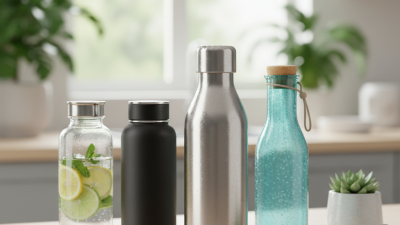
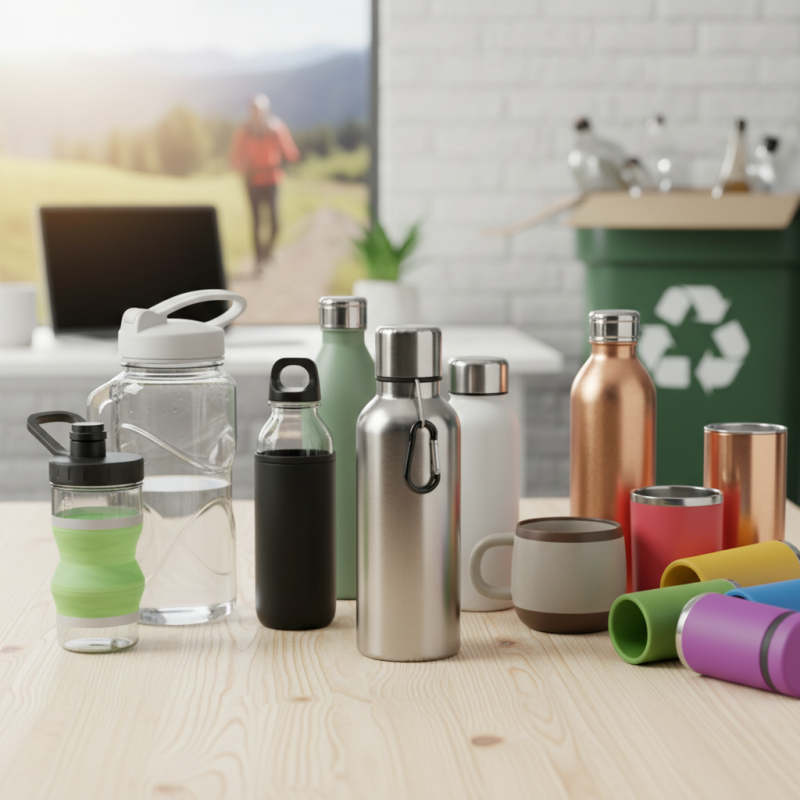
In contrast, glass water bottles provide a more sustainable option. They are free from chemicals but can be heavy and break easily. A report by the Environmental Protection Agency states that glass can be recycled indefinitely, making it an eco-friendly choice. Metal bottles, often made from stainless steel, are durable and often insulated. This keeps drinks hot or cold for extended periods. However, they may be pricier.
Insulated bottles are a great pick for outdoor enthusiasts. They often maintain the temperature of beverages for hours. Some users find them bulky to carry. Many users fail to consider the balance between size and capacity. Ultimately, the right choice depends on your daily activities and personal preferences. Each material has its own complexities that deserve reflection.
Assessing Size and Capacity: Finding the Right Volume for Your Activities
When choosing a water bottle, size and capacity are critical. Consider your daily activities. Do you exercise, travel, or work at a desk? A smaller bottle may suit short outings. However, larger bottles might be better for long hikes or busy days.
Think about how much you drink. An average person needs about two liters per day. A bottle with a capacity of 500ml is great for quick drinks. Yet, if you forget to refill, you might fall short. Reflect on your hydration habits. Are you keeping up with your needs?
Different activities require different sizes. For running, a lightweight, compact bottle works well. If you're camping, bring a bigger one for sharing. Sometimes, the perfect size may turn out to be a hassle. It’s about finding that balance between convenience and capacity.
Examining Features: Flip Tops, Straws, and Leak-Proof Designs
When choosing a water bottle, focus on its features. Flip tops can be convenient, especially for quick sips. They allow for easy access while on the go. However, consider how often you'll need to use one hand. If you are doing activities like running, a flip top might make spills more likely.
Straw designs are popular too. They allow you to drink without tilting the bottle. This can be useful during workouts or driving. Keep in mind, though, that cleaning straws can be tricky. You might find mold if not cleaned regularly.
Leak-proof designs are essential for daily use. Look for bottles with a strong seal. It's frustrating to open your bag and find a soaked wallet. Many designs claim to be leak-proof, but not all live up to that promise. Always test before you trust.
**Tip:** When selecting a bottle, think about your lifestyle needs. Active individuals may prefer lighter, durable options. Casual users might choose stylish bottles with unique features. You should find something that fits well. Consider how the design makes you feel. Ultimately, it’s about what suits your daily routine best.
How to Choose the Best Water Bottles for Your Lifestyle? - Examining Features: Flip Tops, Straws, and Leak-Proof Designs
| Feature |
Description |
Best For |
Drawbacks |
| Flip Tops |
Easy one-handed operation; great for quick sips. |
Athletes, commuters |
Can leak if not properly closed. |
| Straws |
Provides a smooth drinking experience; ideal for on-the-go. |
Travelers, students |
Difficult to clean; straw can get clogged. |
| Leak-Proof Designs |
Prevents accidental spills; safe to carry in bags. |
Office workers, outdoor enthusiasts |
Can be bulkier than non-leak-proof options. |
| Wide Mouth |
Easier to fill and clean; can add ice cubes. |
Fitness enthusiasts, hikers |
May spill while drinking due to large opening. |
Understanding Maintenance: Cleaning and Care for Longevity of Use
Choosing a water bottle is more than just aesthetics. Maintenance plays a critical role in its longevity. Cleaning your bottle regularly is essential. This prevents bacteria growth and unpleasant odors. Specialized brushes help reach every corner. Don’t forget about the lid; it can harbor germs too.
Let’s talk about materials. Some bottles can stain or retain flavors. For instance, stainless steel tends to be easier to clean than plastic. Yet, plastic is often lighter. It’s a balance. Hot water and mild soap usually suffice, but some stubborn stains need more effort. Remember to air dry your bottle completely. A damp environment invites mold.
Reflecting on your habits is also important. Do you often forget to clean it? You might need a reminder system. Or consider a bottle that underlines the importance of maintenance. Find what aligns with your lifestyle. The right water bottle should support your health, not become a chore.