2026 How to Choose the Best Glass Bottle Caps for Your Needs?
Choosing the right glass bottle caps is crucial for various industries, including food and beverage, cosmetics, and pharmaceuticals. According to a recent report by Smith & Co. Market Analysts, the global glass bottle caps market is projected to grow by 5% annually. This trend emphasizes the need for informed decisions when selecting caps that ensure product safety and quality.
Expert David Jenkins, a veteran in packaging solutions, states, "The right glass bottle cap can significantly impact product shelf life and consumer safety." The selection process can be overwhelming. With numerous options available, understanding the specific requirements of your product is essential. Variations in size, material, and sealing methods can lead to different outcomes. An unsuitable choice may result in leaks or spoilage.
Relying solely on price can be misleading. It is equally important to consider the cap's compatibility with the bottle and its contents. Small details, like the type of seal or closure mechanism, can affect user experience and brand perception. Taking the time to evaluate your needs is key to making a wise choice in glass bottle caps.
Understanding Different Types of Glass Bottle Caps Available in the Market
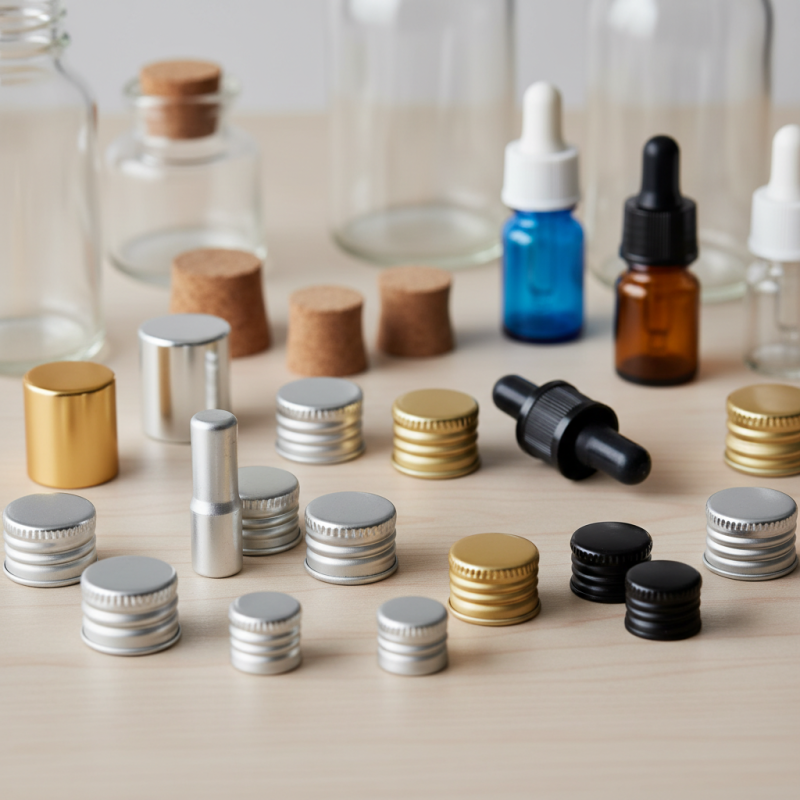
When selecting glass bottle caps, it's crucial to understand the different types available. Numerous options exist, each suited for various needs. For example, cork tops offer a natural seal, perfect for wines. They allow some air exchange but may degrade over time. This aspect can raise concerns about wine quality.
On the other hand, metal screw caps provide a tight seal. They are ideal for beverages that require long shelf life. However, some consumers might find them less appealing in terms of aesthetics. Plastic caps present another choice. While they are lighter and often cheaper, durability can be an issue. Over time, they may not provide an airtight seal for liquid retention.
Evaluating these options requires careful consideration. Each type has its pros and cons. Think about your storage conditions and the bottle's content. Experimenting might reveal unexpected challenges. For instance, a cap that works for one beverage may not perform well for another. Always be prepared to reassess your choices as needs evolve.
Types of Glass Bottle Caps and Their Popularity
Evaluating Material Options for Durability and Safety
When choosing glass bottle caps, material plays a crucial role in ensuring durability and safety. Plastics are common, but they may leach chemicals over time. Metal caps can offer better sealing but might rust if not properly coated. In contrast, silicone caps combine flexibility with a tight seal, which is essential for preserving contents. Consider these options based on your specific needs.
Evaluating your needs may involve examining how often you use the bottles. Frequent use may require very durable caps. If the bottles are stored longer, choose caps that prevent air and moisture. Such considerations can improve shelf life significantly. Reflect on your choices and test different caps. You may find one type excels in some aspects but lacks in others.
Ultimately, safety should be your priority. Materials in direct contact with food or beverages should be scrutinized. Check certifications and safety ratings. Avoid materials known for safety issues, like certain plastics. By focusing on reliable options, you can make informed decisions that align with your needs.
Key Features to Consider When Selecting Glass Bottle Caps
Choosing the right glass bottle caps can greatly influence the usability and safety of your glass containers. One key feature to consider is the material. A high-quality cap should be made from food-safe materials that are durable and resistant to wear. Look for caps that are BPA-free, as this ensures they won't leach harmful chemicals into your contents.
Another important feature is the sealing mechanism. A good seal prevents leaks, keeping your beverages fresh. Check for caps with silicone or rubber liners. These materials provide a tight seal, even under varying temperatures. It’s essential to ensure they fit well on your bottles without being overly tight or too loose.
Tip: Always test the cap before regular use. Fill the bottle and let it sit to check for any leaks.
Design is also crucial. A cap with ridges or grips can make opening and closing easier, especially for users with limited hand strength. Ensure the cap complements the overall aesthetics of the bottle as well.
Tip: Consider the color and style that suit your needs. Sometimes, a mismatched cap can make your bottle look unappealing.
Ultimately, think about your specific needs. Regular use might necessitate a different cap than if it's for occasional storage. Pay attention to details and make a choice that enhances both functionality and appearance.
Matching Glass Bottle Caps to Purpose: Storage vs. Serving
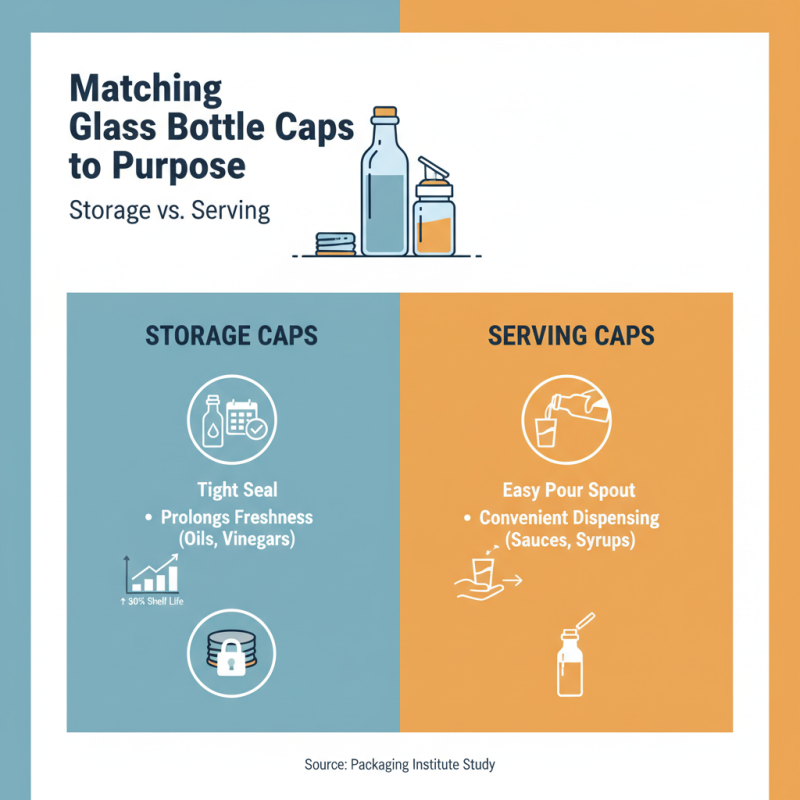
When selecting glass bottle caps, understanding their purpose is crucial. Storage and serving caps have distinct designs catering to different needs. Storage caps often provide a tight seal to prolong freshness. This feature is vital for liquids like oils or vinegars, which can degrade. In fact, a study by the Packaging Institute found that proper sealing can extend shelf life by up to 30%.
Serving caps, on the other hand, prioritize ease of use. These caps may feature dispensers or spouts for controlled pouring. This is ideal for sauces or beverages where precision matters. According to industry experts, the right serving cap can enhance user experience and reduce waste. However, finding the perfect blend of function and design can be challenging. Not all caps fit every bottle design, which requires careful consideration and experimentation.
Quality is vital in the cap choice. Poorly made caps can warp or break over time. Relying on cheaper options may lead to disappointment. A comprehensive report from the Glass Container Manufacturers Association emphasizes the importance of investing in quality materials. They suggest that selecting the right cap can impact the overall perception of your products. Always balance cost with usability and reliability.
Tips for Ensuring a Secure Seal with Your Chosen Caps
When it comes to choosing glass bottle caps, ensuring a secure seal is vital. A reliable cap prevents leakage and contamination. Look for caps that fit snugly on your bottles. Measuring the bottle opening accurately is essential before purchasing. An ill-fitting cap can lead to disappointment.
Material matters too. Silicone and plastic caps often provide a better grip. They can withstand pressure changes. Consider options that have a gasket or rubber lining. These features can enhance the seal, creating a barrier against air and moisture. Testing different options at home can help you find the right fit.
It's important to remember that not all caps are created equally. Some may wear out faster than others. Regular inspections can help catch issues early. If a cap shows signs of wear, replace it immediately. Reflecting on your choices will ensure you maintain quality and safety.