Why Choose Glass Sealing Lids for Your Packaging Needs?
In the packaging industry, trends indicate a growing preference for sustainable solutions. One such solution is Glass Sealing Lids. According to a recent report by Smith & Associates, the demand for glass packaging is expected to rise by 5% annually. This shift reflects consumer desires for natural, non-toxic materials.
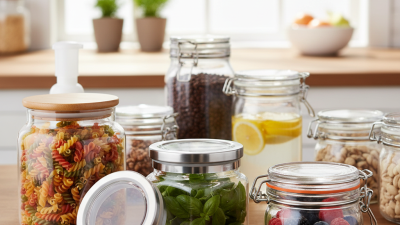
Jay Thompson, a recognized expert in packaging technology, emphasizes the value of Glass Sealing Lids: "These lids not only provide airtight seals but also enhance product visibility." Customers appreciate the clarity of glass, which showcases the quality of the contents.
Glass Sealing Lids present a unique combination of functionality and aesthetic appeal. Many producers are recognizing the environmental impact too. However, challenges remain in sourcing materials and managing production costs effectively. Balancing durability with sustainability is crucial for the industry. As consumer preferences evolve, Glass Sealing Lids stand out as a reliable choice for packaging needs.
Benefits of Using Glass Sealing Lids in Packaging
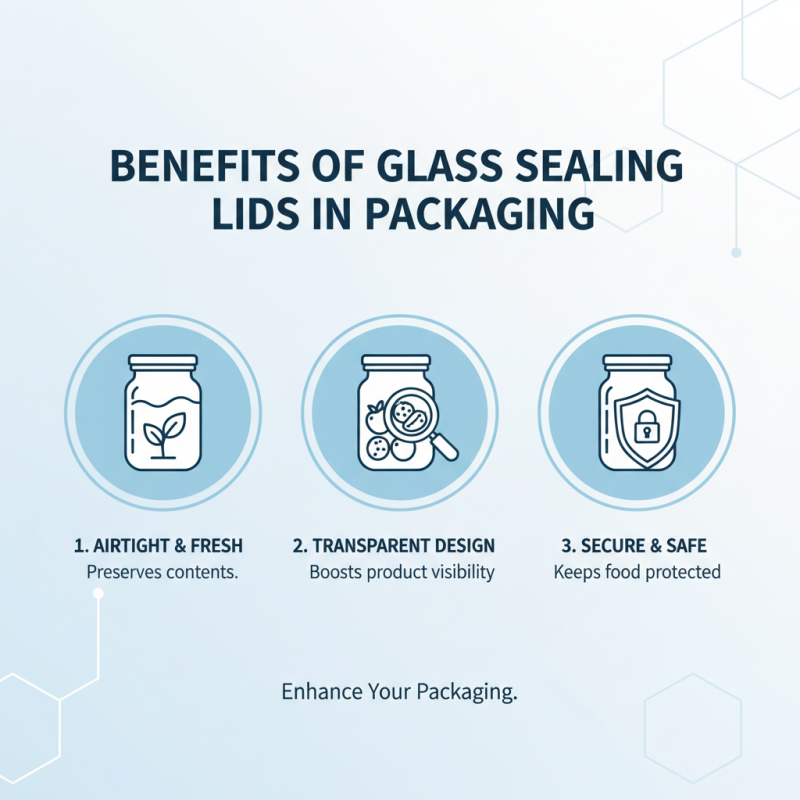
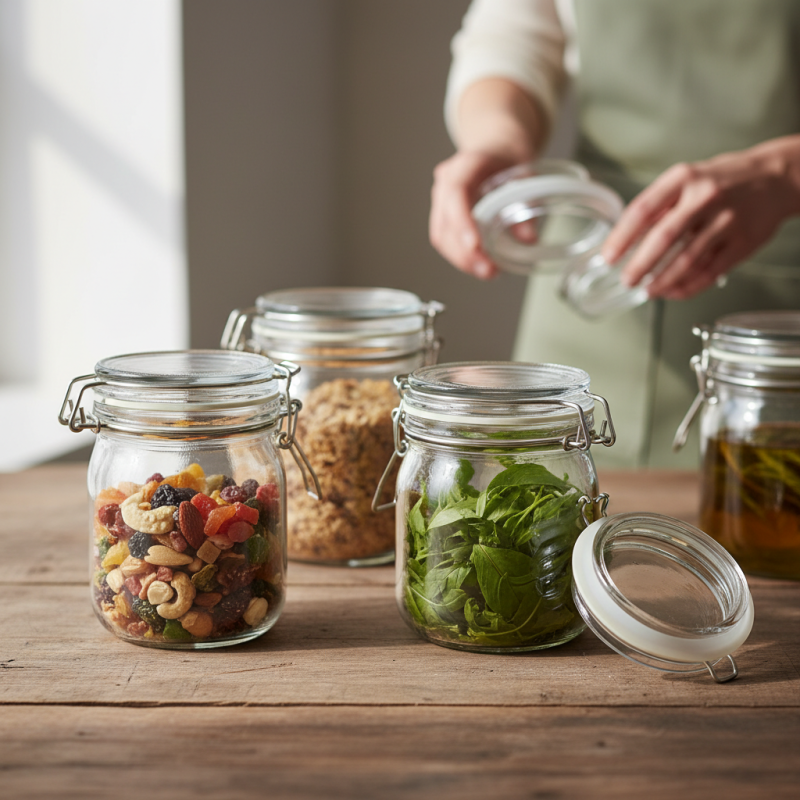
When considering packaging options, glass sealing lids offer unique advantages. These lids provide airtight seals that keep contents fresh and secure. They’re perfect for preserving food items. The transparent design allows customers to see what’s inside. This visibility can enhance the buying experience.
One key benefit is sustainability. Glass is recyclable and environmentally friendly. It reduces plastic waste and can enhance your brand's image. However, some may worry about weight. Glass can be heavier than plastic options, which might increase shipping costs. Balancing these factors is essential when making a choice.
**Tip:** Consider the size and weight of your packaging. Assess how it may impact shipping costs.
Another benefit is safety. Glass doesn’t leach harmful chemicals into food. It ensures that consumers receive safe products. However, glass can break easily. It’s important to think about your target market's needs.
**Tip:** Use protective packaging when shipping glass products. Ensure your customers receive items intact.
Ultimately, glass sealing lids can elevate your packaging strategy. They offer freshness, safety, and a sustainable option. However, weighing the pros and cons will help you make the best decision for your brand.
Durability and Preservation Qualities of Glass Sealing Lids
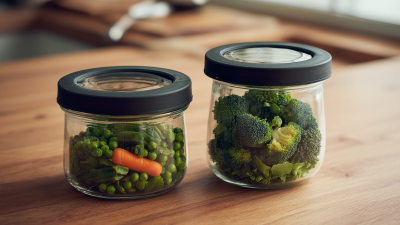
When considering packaging options, glass sealing lids stand out for their durability and preservation qualities. These lids create a strong, airtight seal that effectively locks in freshness. Unlike plastic, glass does not absorb odors or flavors. This quality makes it an excellent choice for food storage. Your items can be kept for longer periods without sacrificing taste or nutritional value.
Tips for maintaining glass sealing lids include regular inspections for chips or cracks. Even small imperfections can weaken the seal. Store your glass containers in a cool, dark place to avoid temperature fluctuations. This helps preserve the integrity of your contents.
While glass sealing lids offer many advantages, they are heavier than plastic options. This can be a consideration for shipping. Remember that glass can break if dropped. Packing materials should be chosen carefully to prevent damage. However, the environmental benefits of glass are significant. It is recyclable and reusable, which makes it a sustainable choice for your packaging needs.
Comparative Analysis of Glass vs. Plastic Sealing Lids
When considering packaging solutions, glass sealing lids offer unique advantages over plastic options. One benefit is their sustainability. Glass is recyclable and does not degrade over time, making it an eco-friendly choice. In contrast, plastic can contribute to long-term waste issues. This is crucial for environmentally conscious consumers who prioritize sustainability in their choices.
Glass lids also provide better preservation for perishable items. They create an airtight seal that helps maintain freshness. This is particularly important for food items, where quality is key. However, glass can be heavier and more fragile than plastic. This can lead to potential breakage during transport or handling, raising concerns for some businesses.
The aesthetic appeal of glass should not be overlooked. Products housed in glass often appear more premium and can enhance brand perception. Meanwhile, plastic lids might provide more versatility in design. Still, the visual clarity of glass offers an attractive view of the contents inside. Balancing these factors is essential for any brand considering its packaging materials; the choice ultimately hinges on specific needs and values.
Why Choose Glass Sealing Lids for Your Packaging Needs? - Comparative Analysis of Glass vs. Plastic Sealing Lids
| Feature |
Glass Sealing Lids |
Plastic Sealing Lids |
| Durability |
High resistance to breakage (when thick) |
Moderate resistance; can warp or crack |
| Temperature Resistance |
Can withstand high temperatures (oven-safe) |
Limited heat resistance; not suitable for high temperatures |
| Environmental Impact |
Recyclable and reusable; lower environmental footprint |
Often not recyclable; higher plastic waste |
| Cost |
Higher initial cost |
Lower initial cost |
| Aesthetic Appeal |
Elegant and premium appearance |
Functional but less visually appealing |
| Sealing Ability |
Excellent airtight seal |
Varies; may not provide as tight a seal |
Environmental Impact of Glass Sealing Lids in Packaging
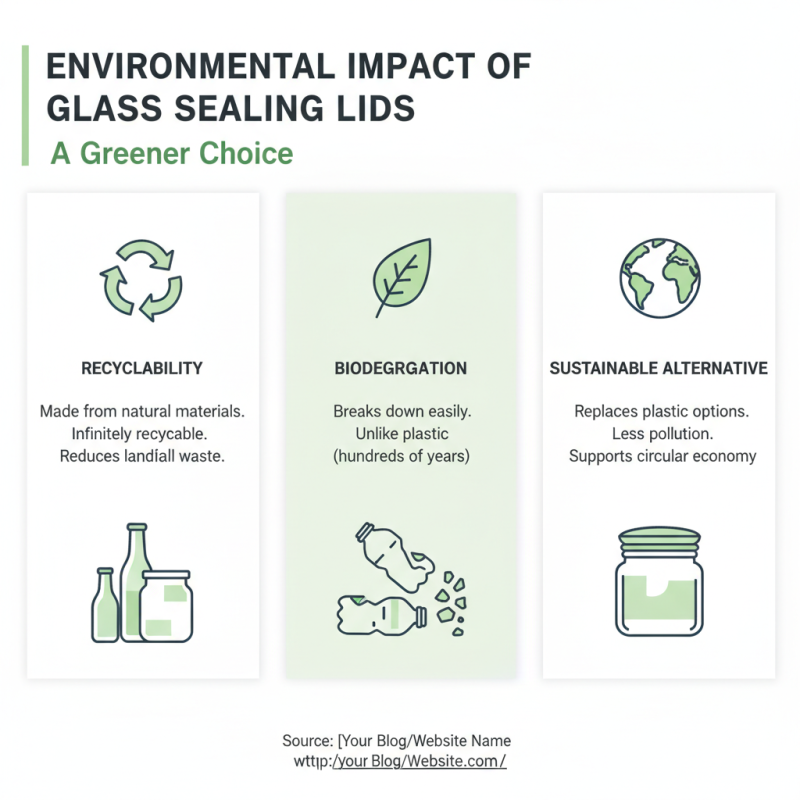
Glass sealing lids are gaining popularity in the packaging industry. They offer a sustainable alternative to plastic options. Their environmental impact is significant. Glass is recyclable and often made from natural materials. This means using glass can reduce landfill waste. It breaks down more easily than plastic, which can take hundreds of years to decompose.
However, there are challenges. Glass is heavier than plastic, increasing transportation emissions. Not all glass is recycled properly, leading to wasted resources. Moreover, the production process can be energy-intensive. Companies must weigh the benefits against these drawbacks. Despite these issues, glass sealing lids often rank higher in sustainability than their plastic counterparts.
Adopting glass sealing lids encourages a shift towards eco-friendly practices. Customers appreciate brands that prioritize sustainability. This can create a positive brand image. However, transitioning to glass requires careful planning. Businesses need to consider logistics and cost-effectiveness. The balance between environmental responsibility and practicality remains a critical conversation in packaging development.
Cost-Effectiveness of Glass Sealing Lids for Businesses
When considering cost-effectiveness in packaging, glass sealing lids stand out. They offer durability and, surprisingly, a lower total cost over time. Unlike plastic options, glass is less likely to degrade with continuous use. This characteristic adds value, particularly for businesses committed to sustainability.
Using glass sealing lids can reduce product spoilage. Their airtight seal keeps contents fresh longer, which may lead to less waste. Over time, organizations can see savings in reduced replenishment costs. Consistency in packaging helps maintain brand integrity, which is vital for customer loyalty.
However, businesses must weigh initial costs against long-term benefits. Some might find the upfront investment challenging. It's essential to examine your packaging strategy thoroughly. Not every product may suit glass lids. Understanding the specific needs of your market helps mitigate this risk. Balancing these factors can reveal whether glass sealing lids are the best choice for your packaging needs.
Cost-Effectiveness of Glass Sealing Lids for Businesses