How to Choose the Best Honey Jar Sealing Lids for Your Needs?
Choosing the right Honey Jar Sealing Lids is crucial for preserving the quality of your honey. A good lid protects against contaminants and maintains freshness. With numerous options available, it can be overwhelming to decide which ones suit your needs best.
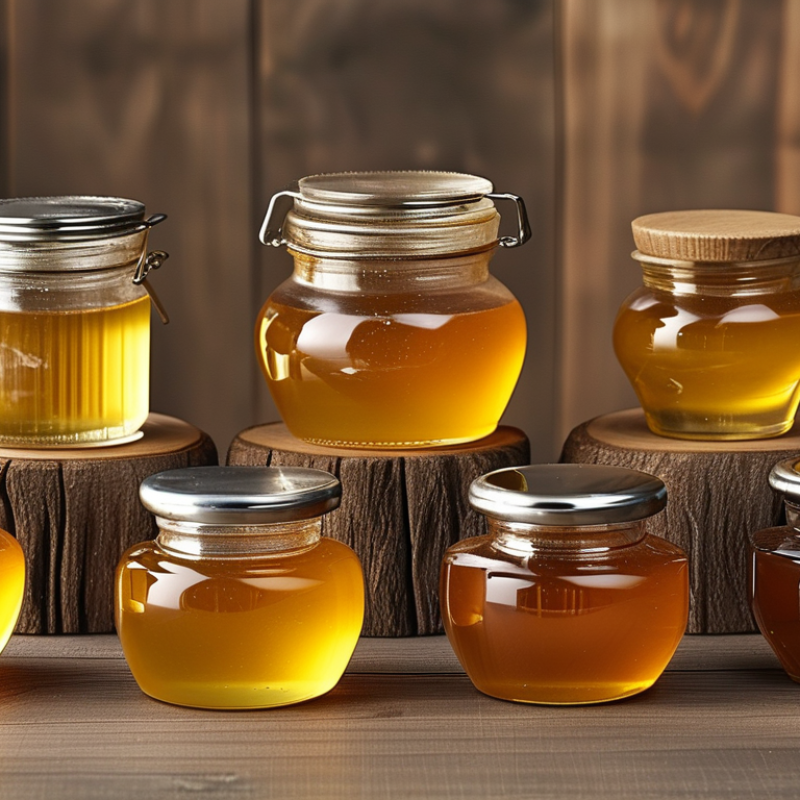
Consider the material of the lids. Some materials offer better seal integrity than others. Metal lids can provide a tighter seal but may rust over time. On the other hand, plastic lids are lightweight and do not corrode. Think about your storage environment when selecting.
Also, the design of the Honey Jar Sealing Lids matters. Some lids have a built-in gasket, ensuring a leak-proof seal. Others may require additional sealing methods. Pay attention to how easy the lids are to open and close. A perfect lid is one that is functional yet aesthetically pleasing. Balancing practicality with design is essential. Your honey deserves the best protection available.
Understanding the Different Types of Honey Jar Sealing Lids
Choosing the right honey jar sealing lids is crucial. Different types cater to various needs.
Standard metal lids offer a tight seal for long-term storage. They protect honey from moisture and air.
Their durability makes them popular among beekeepers.
Plastic lids are lightweight and easy to handle. They come in various colors.
However, they might not provide the same strength as metal. Some consumers report that plastic can warp or crack over time.
Glass lids present an aesthetically pleasing option. They are non-reactive and can enhance presentation.
Yet, the fragility of glass poses a risk of breakage.
Consider how you'll use the honey. Will it be for personal use or commercial sale? Will the jars be transported often?
These factors can influence your choice.
Remember, selecting a lid is not just about fit.
It’s about functionality and long-term effectiveness.
Balancing aesthetics with practicality will ensure your honey stays fresh.
Factors to Consider When Choosing Honey Jar Sealing Lids
Choosing the right sealing lids for honey jars can significantly impact quality and preservation. When selecting, consider material, size, and design. Common materials include metal, plastic, and silicone. Metal lids often provide a better seal but may be prone to rust over time. Plastic lids are lightweight and come in various designs but might not be as airtight.
Tip: Always check the compatibility of lids with your jars. Measure the diameter precisely to ensure a snug fit. A loose lid can lead to honey crystallization and spoilage.
Size is another crucial factor. Standard honey jars typically have a mouth diameter of 70mm. It's essential to match the lid size to avoid any leakage.
Tip: Look for lids that offer additional features like tamper-evidence seals. These seals ensure the product's integrity before consumption.
Monitor the seal integrity occasionally. An imperfect seal can lead to moisture entry, which affects honey quality. One study indicates that improper sealing can reduce honey's shelf life by up to 50%.
While many options are available, balancing quality and functionality is vital. Your choice should reflect both preservation needs and user convenience.
Comparing Materials for Honey Jar Sealing Lids: Pros and Cons
When selecting honey jar sealing lids, material choice plays a crucial role. Common options include plastic, metal, and bamboo. Each has its unique pros and cons, impacting both functionality and aesthetics.
Plastic lids are lightweight and cost-effective. They provide a decent seal but may not be as durable as other options. Over time, plastic can warp or become brittle. Therefore, it’s essential to assess the longevity of plastic lids before making a decision.
Metal lids offer better sealing properties. These lids resist corrosion and maintain their shape well. However, they can be heavier and may require more effort to open.
Bamboo lids are eco-friendly and visually appealing. They add a natural touch but may not seal as tightly. Overall, understanding these material traits can aid in selecting the perfect sealing lids for your honey jars.
Tips for Ensuring a Secure Seal on Honey Jar Lids
When selecting honey jar sealing lids, ensuring a secure seal is crucial. A tight seal preserves the honey's freshness and prevents contamination. Consider the material of the lids. Many options include metal, plastic, and silicone. Each has its advantages, but the type of honey may affect the best choice.
Inspecting the fit is essential. The lid should match the jar perfectly. A loose fit can lead to spills and spoilage. Some people find that a rubber gasket inside the lid enhances the seal. This detail can make a significant difference. Look for lids that create an airtight seal to keep your honey safe.
Choosing the right sealing method adds to the process. Experiment with different techniques. For instance, some users find that twisting the lid tightly helps create a better seal. Others opt for vacuum sealing methods. Every jar might need a unique approach to achieve the best seal. Testing these methods can guarantee that your honey remains fresh for longer.
Maintaining and Replacing Honey Jar Sealing Lids for Longevity
When it comes to honey jar sealing lids, maintenance is crucial for longevity. A well-maintained lid ensures that honey remains fresh and free from contaminants. Regularly inspect the lids for any signs of wear or damage. Check for cracks, warping, or issues with the sealing mechanism. If the lid is damaged, it may not provide an airtight seal, compromising the honey's quality.
Replacing lids should be done proactively. Even if a lid appears to be in good condition, consider replacing it after a certain period. This is especially important for lids that have been used frequently. A simple replacement can make a significant difference in maintaining the honey's flavor and texture. Remember, not all lids are created equal; ensure you choose ones that fit snugly and are made from safe materials.
Cleaning practices also impact longevity. Use warm soapy water to clean the lids regularly, and let them dry completely before sealing. Avoid harsh chemicals that could compromise the lid material. Taking these steps can help prevent leaks and ensure that your honey remains delicious for months. Always follow best practices in lid care; it can make a world of difference over time.
Honey Jar Sealing Lids Comparison