How to Choose the Best Beer Bottles for Your Homebrew?
Selecting the right beer bottles is crucial for every homebrewer. A recent report by the Brewers Association revealed that over 50% of craft beer consumers prefer bottled beers. This preference underscores the importance of choosing high-quality beer bottles. The right bottles can impact flavor, carbonation, and shelf life.
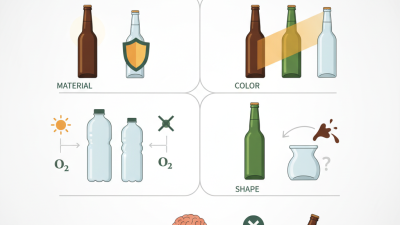
Consideration of bottle material is vital. Glass bottles are the standard choice, providing an excellent seal and protecting beer from light. A study showed that light exposure can skunk light beers within minutes. Alternatively, plastic bottles may be convenient but can compromise taste.
Be mindful of the bottling process as well. Some homebrewers overlook sanitation, which can lead to spoilage. A survey found that 25% of homebrewers experienced off-flavors due to improper bottle cleaning. Reflecting on these choices helps homebrewers improve their craft. In the end, the right beer bottles can elevate your brewing experience, making it both enjoyable and successful.
Understanding the Different Types of Beer Bottles Available for Homebrew
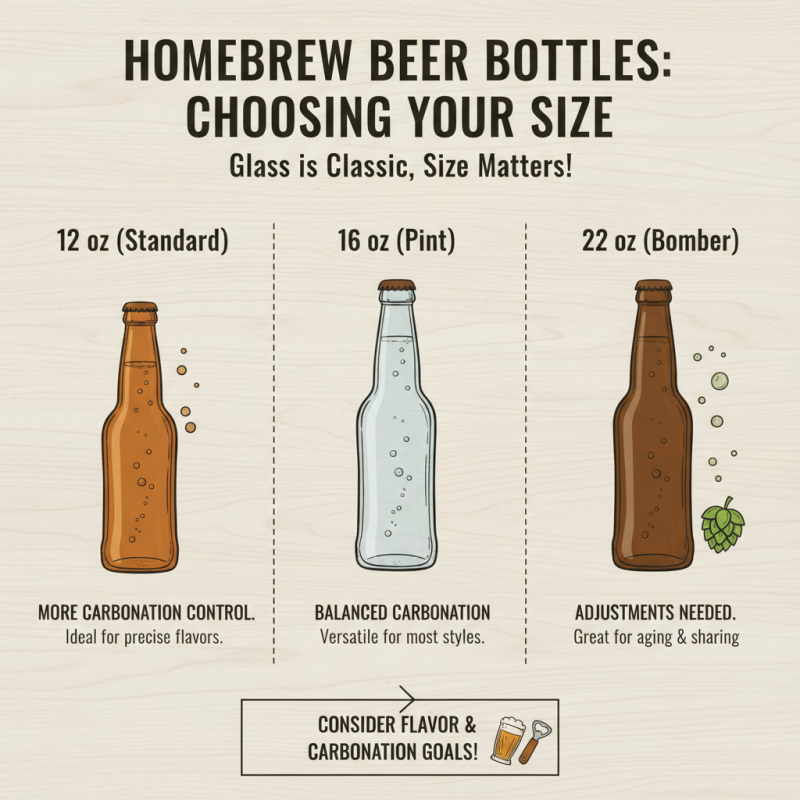
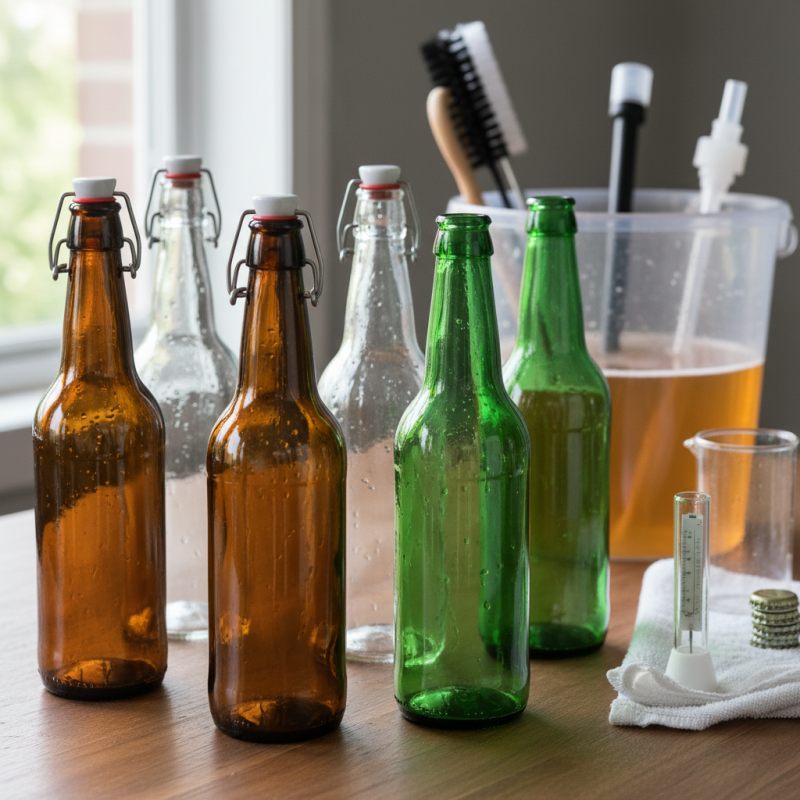
When choosing beer bottles for homebrewing, understanding the types available is essential. Glass bottles are the most popular choice among homebrewers. They come in various sizes, typically 12 oz, 16 oz, and 22 oz. However, each size can affect carbonation and flavor. A 12 oz bottle may offer more carbonation control, while larger bottles might require adjustments in brewing techniques.
Plastic bottles also serve as an option. They are lightweight and less breakable than glass. However, their permeability can lead to oxidation. A study conducted by the American Homebrewers Association indicated that bottles made from PET plastic might degrade over time. This degradation can alter the beer's taste, making the quality a potential concern.
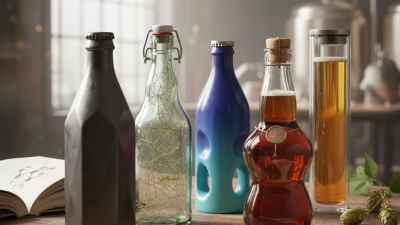
Don't overlook swing-top bottles. They provide an airtight seal, which can be beneficial for carbonation. Still, ensuring that the rubber gaskets are in good condition is crucial. Neglecting bottle hygiene can lead to contamination, impacting the final product. While each bottle type has its advantages, the choice ultimately depends on the brewer's priorities and the beer style being produced.
Key Features to Consider When Selecting Beer Bottles
When selecting beer bottles for your homebrew, several key features come into play. The type of glass is crucial. Dark glass can protect your brew from sunlight, preventing skunking. Clear bottles, while visually appealing, do not offer this protection. Consider bottles with a narrow neck. They help with carbonation, making sure your brew retains its fizz.
Tips for choosing bottles include checking for proper seals. A good seal prevents oxygen from ruining the brew. Look for thick glass to avoid breakage. Not all bottles are created equal; some may shatter easily. Also, try to select bottles that are easy to clean. Bottles with intricate designs can trap residue, impacting taste.
Think about your brewing style and how you'll store the bottles. If you're making a high-alcohol beer, pick bottles that can withstand pressure. Sometimes, the cheapest option isn't the best. Investing in durable bottles pays off in the long run. Remember, the right bottle enhances the overall quality of your homebrew experience.
Benefits of Using Glass vs. Plastic Beer Bottles
When it comes to bottling your homebrew, the choice between glass and plastic is crucial. Glass bottles offer excellent protection against oxygen. They are often preferred for long-term storage. Clear or brown glass can showcase your brew, adding to its appeal. However, glass can break easily. It requires careful handling. You must consider the risks involved.
Plastic bottles, on the other hand, are lightweight and durable. They won't shatter or crack, making them easier to transport. The downside? They may allow more oxygen to seep in over time. This can affect the freshness of your beer. Some brewers worry about off-flavors from plastics, but many find them convenient for quick use.
Choosing between glass and plastic often depends on your brewing style. If you value aesthetics and long-term storage, go for glass. If you need something practical and robust, plastic could be the answer. Each option has its challenges. Reflecting on these pros and cons can greatly impact your brewing experience.
Comparison of Beer Bottle Materials for Homebrew
This chart compares the benefits of using glass bottles versus plastic bottles for homebrewing. Glass bottles score higher due to benefits such as better protection against light and superior sealing capabilities, while plastic bottles have lower scores due to potential permeability and lower durability.
How to Properly Sanitize and Prepare Your Beer Bottles
When preparing your beer bottles, proper sanitation is crucial. Any leftover residue can spoil your hard work. Start by cleaning bottles thoroughly with hot water and a bottle brush. This removes any grime that could affect flavor. Focus on the insides. After washing, it’s time to sanitize.
Using a suitable sanitizer eliminates harmful bacteria. No rinsing is needed for most sanitizers. Pour some sanitizer into each bottle, swirl it around, and let it sit. This step is vital. Keep in mind, the bottles must stay wet with the sanitizer for effectiveness. Air drying is ideal; it ensures no new contaminants enter.
**Tips:** Always check bottles for cracks or chips. These can harbor bacteria. You'll be disappointed if they ruin your brew. Also, remember to sanitize caps. They are often overlooked. Neglecting them can lead to carbonation issues later. форма
How to Choose the Best Beer Bottles for Your Homebrew? - How to Properly Sanitize and Prepare Your Beer Bottles
| Bottle Type |
Capacity (ml) |
Material |
Closure Type |
Recommended Use |
| Standard Beer Bottle |
330 |
Glass |
Crown Cap |
Ales, Lagers |
| Swing-top Bottle |
500 |
Glass |
Swing-top |
Carbonated Beverages |
| PET Bottle |
500 |
Plastic |
Screw Cap |
Experimentation |
| Bomber Bottle |
650 |
Glass |
Crown Cap |
Sharing, Parties |
| Mini Keg |
5000 |
Metal |
Valve |
Kegging System |
Tips for Storing and Labeling Your Homebrew Beer Bottles
When it comes to storing your homebrew beer bottles, a few key tips can make a big difference. First, ensure that your bottles are clean and completely dry before filling them. This prevents unwanted bacteria. It’s not just about cleanliness; it’s about preserving your hard work. Even a small mistake can spoil an entire batch.
Labeling is essential for keeping track of your brews. Use waterproof labels to avoid smudging over time. Include the brewing date, alcohol content, and a brief description of the flavors. This can help you remember what you liked or didn't like about each batch. Sometimes, the best ideas come from reflection.
Proper storage conditions matter too. Keep your bottles in a dark, cool place to protect them from light and heat. This helps maintain flavor and quality. A cluttered space may lead to mishaps; think about organization. Be patient, as improper storage can lead to carbonation issues. Don’t overlook small details that can ruin your experience.