2026 Best Water Bottles for Every Lifestyle and Activity?
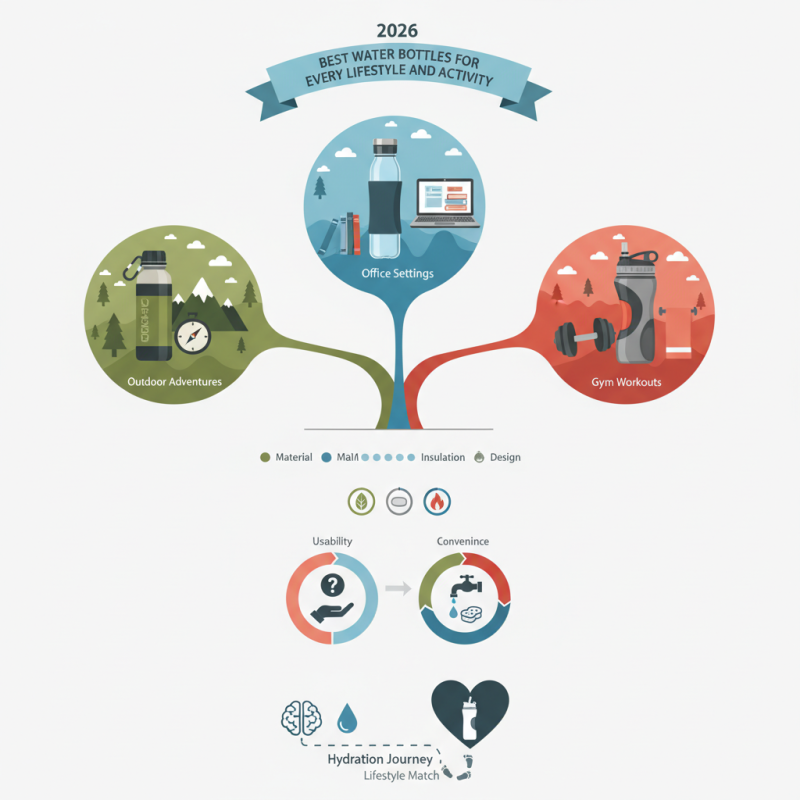
Choosing the right water bottles is essential for staying hydrated. There are many options available, each catering to different lifestyles and activities. Some water bottles are designed for outdoor adventures, while others suit office settings or gym workouts.
In this article, we explore the best water bottles for 2026, focusing on various needs. Factors like material, insulation, and design matter. You may need a lightweight bottle for hiking or a durable one for everyday use.
When selecting water bottles, think about usability and convenience. Think about how often you refill and clean them. Some options may look great but may not perform well in real-life situations. Finding the perfect match for your lifestyle requires careful consideration. Each choice reflects your habits and values, driving us to think about our hydration journey.
2026 Water Bottle Trends: Innovations and Technology in Design
The landscape of water bottles in 2026 is being shaped by innovative technology and evolving trends. Materials like stainless steel and BPA-free plastics are becoming industry standards. A recent report from the Global Bottled Water Market indicates that consumers prefer eco-friendly options. Over 70% of individuals are now considering sustainability in their buying decisions.
Smart water bottles are at the forefront of this change. These bottles can track hydration levels and remind users to drink water. According to research from the Beverage Marketing Corporation, the smart water bottle market is expected to grow by 20% annually. This shift towards technology showcases a blend of health and convenience, appealing to active lifestyles.
Design trends also focus on personalization. Bottles that allow for interchangeable parts are gaining popularity. Users want colors and features that fit their unique style. Yet, this trend raises questions about excessive consumerism and waste. As we enjoy these advancements, we must also reflect on our impact and responsibility toward the environment. Balancing innovation with sustainability remains a challenge in 2026.
2026 Best Water Bottles for Every Lifestyle and Activity
Sustainable Materials: Eco-Friendly Options for Every Lifestyle
In today’s fast-paced world, choosing an eco-friendly water bottle is more important than ever. Many consumers are increasingly aware of the environmental impact of their choices. According to recent studies, single-use plastic bottles contribute to over 1 million tons of plastic waste each year. Sustainable materials offer a solution that many eco-conscious individuals seek.
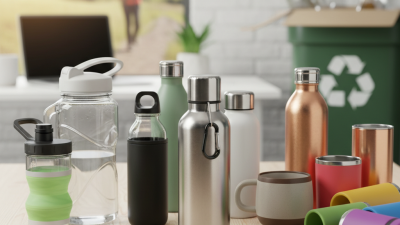
Bottles made from stainless steel, bamboo, or recycled plastic that can be reused significantly reduce the ecological footprint. Research indicates that reusable bottles can cut down plastic waste by 83%. This shift towards sustainable materials not only benefits the environment but can also improve personal health. Bottles made from BPA-free materials eliminate harmful chemicals.
**Tip:** Look for certifications that indicate a bottle is made from sustainable materials. This helps ensure you’re making an informed decision.
Another critical aspect is the design. User-friendly designs promote longer usage and ensure proper hydration habits. However, some bottles may not be suitable for all activities. For instance, bulkier options may not fit easily into gym bags. It’s crucial to balance functionality with sustainability.
**Tip:** Test out different designs to find one that fits your lifestyle best. Your choice should encourage consistent hydration without compromising on eco-friendliness.
Hydration for Athletes: The Best Water Bottles for Sports Performance
Hydration is crucial for athletes. Every drop counts during intense workouts. The right water bottle can enhance performance. Look for options that are lightweight and easy to carry. A bottle with a built-in straw can help to sip quickly between sets.
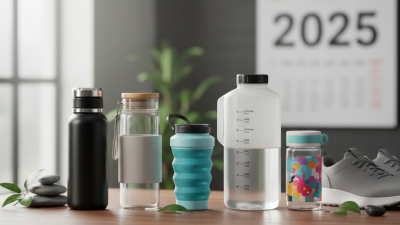
Consider features like leak-proof designs and wide mouths for easy filling. Insulated bottles keep drinks cold, which is refreshing on hot days. Some bottles can fit in your bike's cup holder or gym bag seamlessly.
However, the temptation to neglect hydration exists. Athletes often forget to drink enough water during training. Reflecting on hydration habits is important. Relying solely on thirst can lead to dehydration.
Set reminders throughout your training. Make hydration a priority. A well-chosen water bottle can be a game changer, making it easier to stay mindful of fluid intake. Every athlete deserves the best tools for success.
Daily Hydration: Choosing the Right Bottle for Office and Home Use
Staying hydrated at home or in the office can be simple. Choosing the right water bottle makes a difference. Consider your daily routines and preferences. A sleek design might fit your office desk well. A durable, insulated bottle is perfect for busy days.
**Tips:** Look for a bottle that’s easy to clean. A wide mouth helps with this. Also, consider size. A smaller bottle might require more refills. But, it’s light and easy to carry. If you forget to drink, set reminders. A colorful bottle might grab your attention.
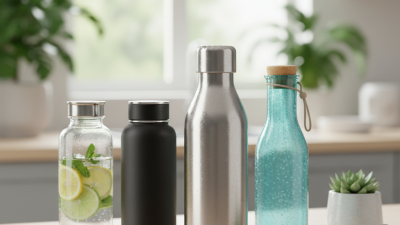
It's easy to overlook hydration while working. A stylish bottle on your desk can remind you. However, not all bottles fit every lifestyle. If you prefer flavor, consider infusion bottles. They allow you to add fruits or herbs. But remember, they can be harder to clean thoroughly. Always choose what feels right for you.
2026 Best Water Bottles for Every Lifestyle and Activity
| Bottle Type |
Material |
Capacity |
Insulation |
Best For |
| Sports Bottle |
Plastic |
750 ml |
No |
Gym and Outdoor Activities |
| Insulated Bottle |
Stainless Steel |
500 ml |
Yes |
Travel and Cold Beverages |
| Collapsible Bottle |
Silicone |
350 ml |
No |
Hiking and Lightweight Travel |
| Glass Bottle |
Glass |
600 ml |
No |
Home and Office Use |
| Filtered Water Bottle |
Plastic |
500 ml |
No |
Camping and Outdoor Use |
Temperature Retention: Evaluating Insulation Capabilities in Water Bottles
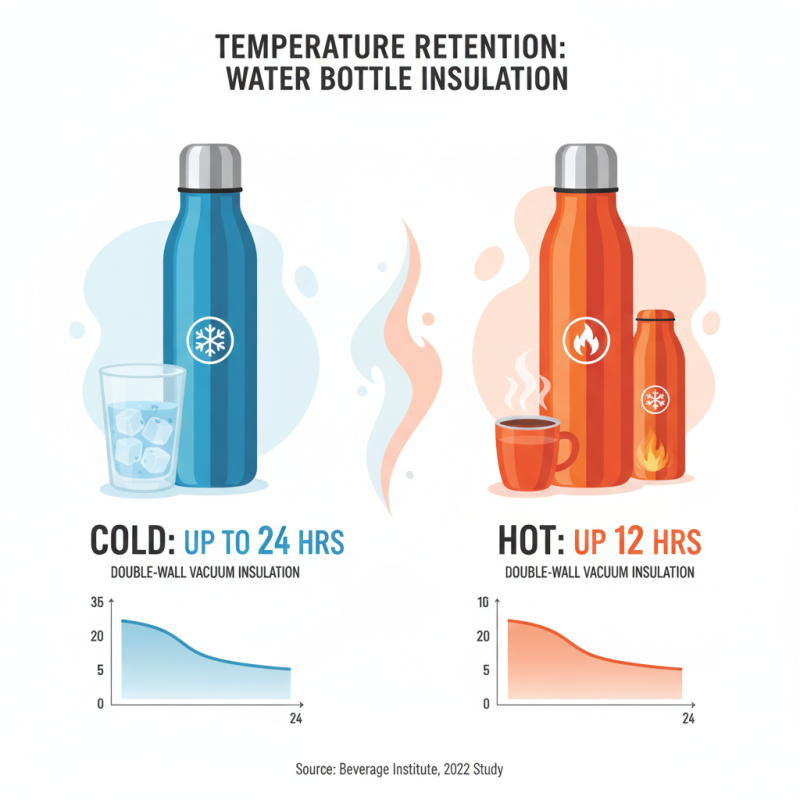
When it comes to selecting water bottles, temperature retention is a key factor. Insulation capabilities can significantly impact your hydration experience. For example, double-wall vacuum insulation can keep beverages cold for up to 24 hours and hot for up to 12 hours, according to a 2022 study from the Beverage Institute. This means that hikers can enjoy ice-cold water during long treks, while coffee lovers can keep their brews warm throughout the day.
However, not all bottles offer the same level of insulation. Some may claim to provide excellent temperature retention, yet fail to meet those claims in real-world conditions. A report from the Outdoor Gear Association highlighted that more than 30% of consumers felt misled by insulation claims. This discrepancy shows the importance of independent testing. It’s vital for consumers to be discerning. Uninsulated bottles or poorly insulated designs can lead to disappointing hydration experiences, particularly on hot summer days or chilly winter mornings.
Moreover, temperature retention affects flavor as well. Beverages can develop unpleasant tastes when exposed to temperature fluctuations. Comprehensive studies indicate that materials such as stainless steel outperform plastic in this regard. Every detail counts when it comes to choosing a water bottle. It's worthwhile to weigh insulation options, as the right choice enhances your lifestyle and activities.