Why Choose the Best Sauce Bottles for Your Business?
In the competitive culinary landscape, choosing the right sauce bottles can be a game changer for your business. These seemingly simple containers play a critical role in branding and customer experience. High-quality sauce bottles not only preserve the flavor and freshness of your products but also enhance your brand’s image.
When customers encounter your sauces, the first impression often comes from the packaging. Attractive and functional sauce bottles can make a significant difference. They are not merely vessels; they tell a story and embody the quality of your offerings. Yet not all sauce bottles are created equal, which is a point worth pondering.
Consider the practical aspects as well. Will the bottles allow easy pouring or measuring? Are they eco-friendly? These questions affect both usage and perception. Ultimately, investing in the best sauce bottles requires reflection on your brand's values and goals. The right choice can elevate your product and, consequently, your business.
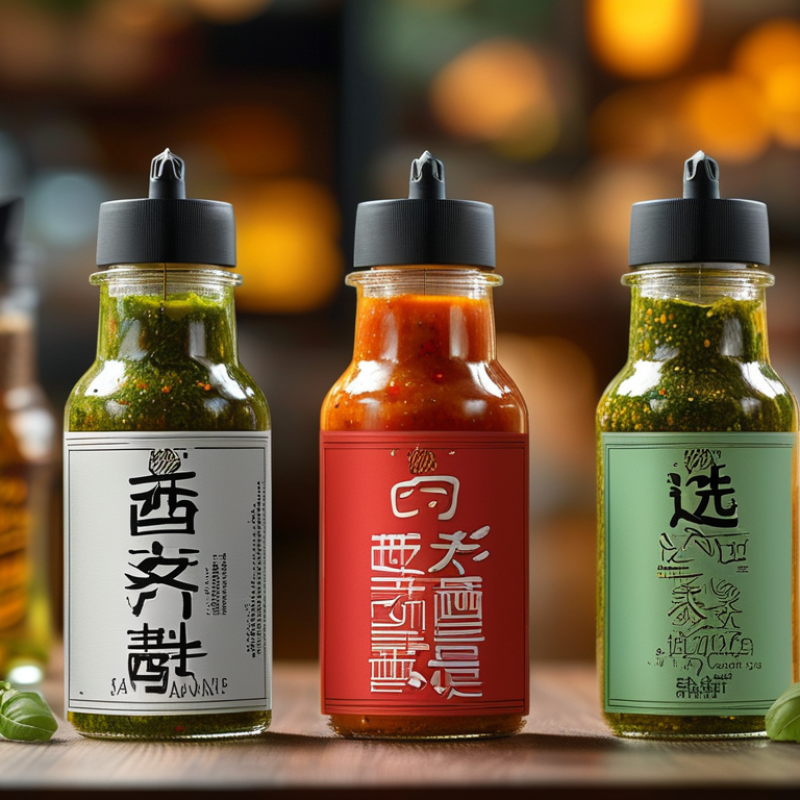
Understanding the Importance of Sauce Bottles in Food Businesses
In the food industry, sauce bottles play an essential role. They are not merely containers; they affect product quality and customer experience. A report from Food Packaging Forum highlights that packaging contributes to about 30% of a consumer’s purchase decision. Customers associate high-quality sauce bottles with premium products.
Choosing the right sauce bottle impacts brand perception significantly. According to a survey by Mintel, 72% of consumers prefer packaging that is easy to use. Bottles that are ergonomic and user-friendly enhance satisfaction. This could lead to repeat purchases, an important metric for any business. Yet, many businesses overlook this detail. Some opt for cheaper options, sacrificing quality and functionality. This can harm their reputation in a competitive market.
Moreover, the sustainability of sauce bottles is becoming increasingly crucial. Consumers are conscious of their environmental impact. A study by Nielsen shows that 66% of global consumers are willing to pay more for sustainable brands. Therefore, choosing eco-friendly options could win over a dedicated customer base. However, not every packaging solution is viable, highlighting the need for careful selection in meeting consumer demands.
Why Choose the Best Sauce Bottles for Your Business? - Understanding the Importance of Sauce Bottles in Food Businesses
| Feature |
Importance |
Material Types |
Common Uses |
| Ease of Use |
Facilitates portion control and reduces waste. |
Plastic, Glass, Stainless Steel |
Condiments, Dressings, Sauces |
| Customization |
Enhances brand visibility through personalized designs. |
PET, PVC, HDPE |
Retail Sale, Food Service, Catering |
| Sustainability |
Eco-friendly options appeal to environmentally conscious consumers. |
Recyclable materials, Biodegradable options |
Organic Foods, Health Products |
| Seal Integrity |
Prevents leakage and maintains freshness during transport. |
Airtight Plastic, Glass with Caps |
Transport and Storage of Sauces |
| Variety of Sizes |
Accommodates different serving needs and customer preferences. |
Small, Medium, Large Bottles |
Individual Use, Family Packs, Bulk Supply |
Key Features to Look for in High-Quality Sauce Bottles
When selecting sauce bottles for your business, the focus should be on quality. High-quality sauce bottles should be made from food-grade materials. These materials ensure safety and durability. It's crucial to avoid bottles that may leach harmful chemicals into the sauce. According to a recent industry report, over 30% of consumers prioritize safety in packaging when choosing sauces.
Consider the design of the bottle. A well-designed bottle should allow for easy pouring and dispensing. Caps should fit securely to prevent leaks. Customers often appreciate bottles with ergonomic features that enhance usability. An ergonomic design can increase customer satisfaction by 25%, as per market research data.
Tips: Always test bottle samples before bulk purchasing. This can help identify any usability issues. Gather feedback from a small group of users regarding the bottle's design and functionality. Be open to changing your choice based on their responses. Also, think about the environmental impact. Sustainable materials are becoming essential as consumers want eco-friendly options.
The Impact of Packaging on Customer Perception and Sales
Packaging plays a crucial role in how customers perceive products. The right sauce bottle can create immediate visual appeal. Colors, shapes, and labels all contribute to first impressions. A handsome design catches the eye. It can evoke emotions and tell a story about the brand. Customers are more likely to try sauces that look good on the shelf.
However, packaging isn't just about aesthetics. It also affects functionality. A bottle that spills easily can frustrate customers. On the other hand, an ergonomic design enhances user experience. It’s vital to balance beauty with practicality. Businesses must reflect on their packaging choices. Are they truly meeting customer needs?
Ultimately, the best sauce bottles can shape a brand’s reputation. Quality packaging signals care and effort. Brands should recognize that customers notice these details. A well-designed bottle can lead to increased sales. Still, the challenge lies in constant evaluation. Getting feedback is essential to improve packaging. What works today might not resonate tomorrow.
Impact of Sauce Bottle Design on Customer Purchase Decisions
Cost-Effectiveness of Investing in Premium Sauce Bottles
Investing in premium sauce bottles can significantly affect your business’s bottom line. High-quality bottles maintain the freshness and flavor of your sauces. This means happier customers and fewer complaints. When customers feel satisfied, they become repeat buyers. This loyalty is crucial for long-term success.
Additionally, cost-effectiveness plays a vital role. While premium bottles may have a higher upfront cost, they last longer and reduce wastage. Cheaper options often lead to spills and breakages. These losses add up over time, making low-quality bottles more expensive. Quality bottles can also elevate your brand image, attracting more discerning customers. A well-designed bottle speaks volumes about your brand's values.
Some may question the necessity of premium products. It’s easy to overlook the impact of packaging on customer perception. Quality packaging can transform a basic product into a high-end offering. Yet, a balance is essential; overspending on packaging when funds are tight might not be wise. The goal is to find a sustainable approach that aligns with your brand identity.
Comparative Analysis: Glass vs. Plastic Sauce Bottles for Businesses
When considering sauce bottles for your business, glass and plastic present distinct advantages and challenges.
Glass bottles are often favored for their premium feel and ability to preserve flavor. They are non-reactive and recyclable, appealing to eco-conscious consumers.
However, they can be heavier and more prone to breakage. Businesses need to weigh these factors carefully.
On the other hand, plastic bottles are lightweight and durable. They reduce shipping costs and are less likely to break.
However, some consumers view plastic as less desirable, especially if they are concerned about environmental impact.
It's crucial to choose materials that align with your brand image while considering practicality and consumer preferences.
Tips: Always test the user experience with both types of bottles.
Get feedback about aesthetics and functionality. Consider your target audience’s values.
Balancing cost and quality is key. You may need to rethink your packaging strategy if the feedback is not positive.
Continuous improvement is essential for long-term success.