2026 Best Perfume Bottles to Elevate Your Fragrance Collection?
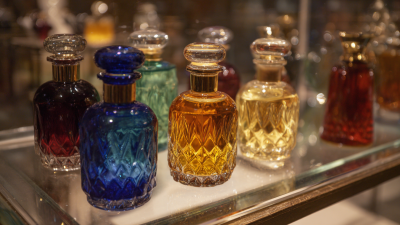
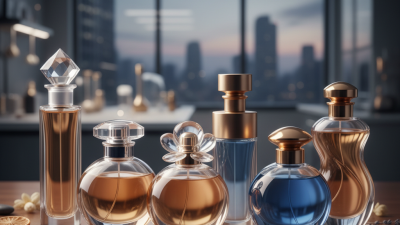
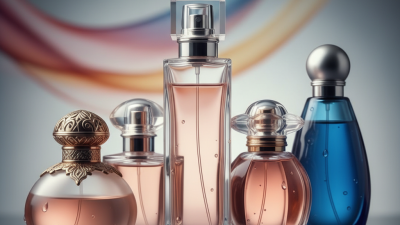
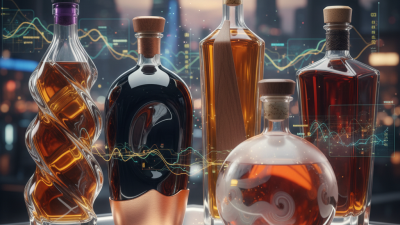
In 2026, the world of fragrance continues to evolve. Among the most captivating trends are the exquisite Perfume Bottles that elevate any fragrance collection. These bottles are more than mere vessels; they are pieces of art reflecting craftsmanship and creativity. Each design tells its own story, inviting collectors to explore unique aesthetics.
From elegant glass designs to eco-friendly alternatives, the variations are endless. Some bottles feature intricate patterns or bold colors that demand attention. These choices can inspire feelings of luxury or nostalgia. However, as we embrace these new trends, we must also consider the environmental impact of production and packaging. Are we prioritizing style over sustainability?
The allure of Perfume Bottles goes beyond fragrance. They serve as a statement of personal identity and taste. Collecting them requires thoughtfulness and discernment. As we curate our collections, let’s remember to value not just the visual appeal but also the stories they represent. Each bottle holds a memory, blending scent with emotion, making the art of fragrance a deeply personal journey.
Top Trends in Perfume Bottle Design for 2026
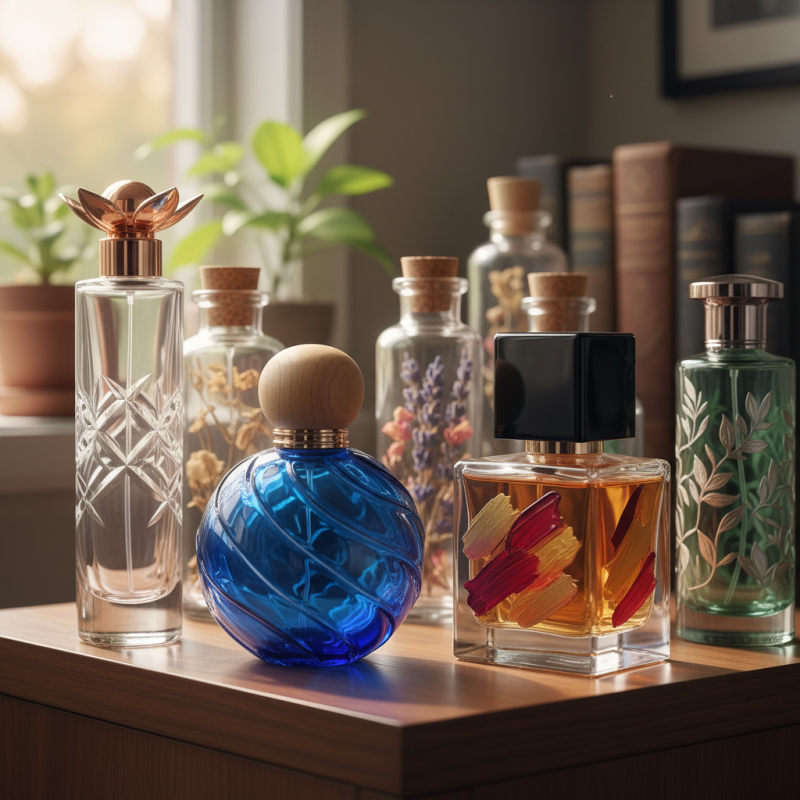
As we look ahead to 2026, perfume bottle design is evolving. The industry is embracing sustainability. Eco-friendly materials are trending. This shift reflects growing consumer awareness about environmental impacts. Reusable bottles are becoming popular. Minimalistic designs add a touch of elegance. Shapes are more creative, often resembling art pieces.
Textures play a key role this year. You’ll find frosted glass and matte finishes that invite touch. Innovative closures, often with ornate designs, enhance functionality. Some bottles now incorporate LED lights for a striking visual effect. These elements create a sensory experience that’s both practical and stunning.
However, not all designs are practical. Some focus too much on aesthetics. A beautiful bottle might be challenging to hold or use. There’s also a tendency towards excessive complexity in some forms. Reflections on balance in functionality versus beauty are essential. Striking the right note is key to truly elevating a fragrance collection in 2026.
2026 Perfume Bottle Design Trends
Essential Features of Luxury Perfume Bottles
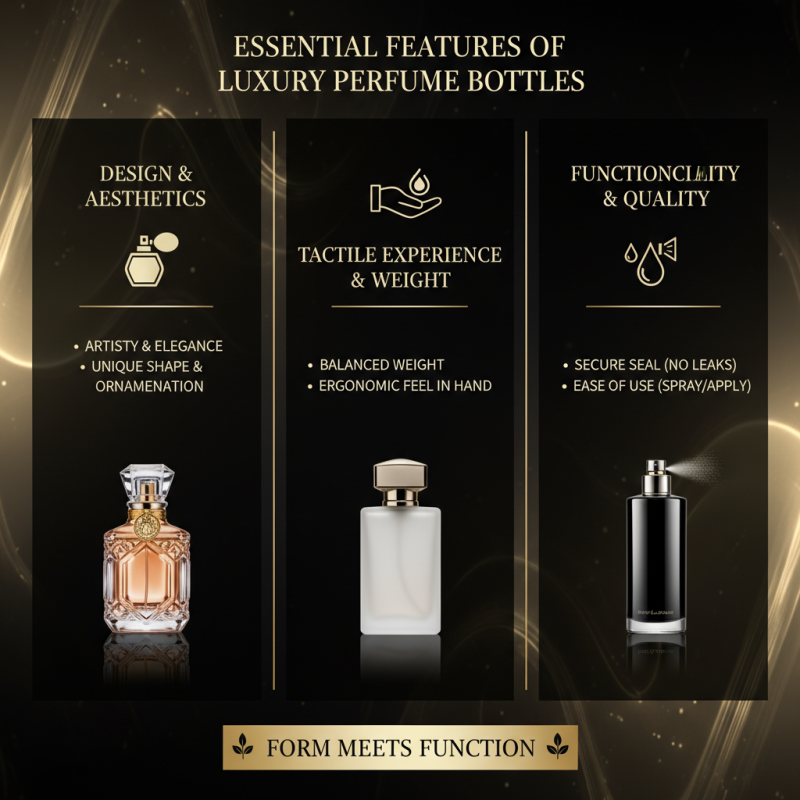
When considering luxury perfume bottles, design and functionality play a vital role. A striking bottle should not only look beautiful but also feel good in hand. The shape and weight of a bottle can greatly enhance the overall experience of the fragrance. Some bottles boast intricate designs that reflect artistry, while others provide simplicity and elegance. However, it’s crucial to ensure that form doesn't overshadow function. A bottle that leaks or is hard to use can easily detract from the allure of the fragrance it holds.
Moreover, the materials used in crafting these bottles add depth to their luxury. Crystal glass or high-quality metals can amplify the visual appeal. Yet, one might question how environmentally responsible these choices are. Can we have both elegance and sustainability? This question often remains unanswered in the pursuit of beauty. Additionally, the sprayer mechanism must provide a fine mist without too much force. An inefficient sprayer can ruin the experience, no matter how exquisite the bottle appears. Evaluating these features is essential for any true connoisseur looking to elevate their perfume collection authentically.
Sustainable Materials in Modern Perfume Bottle Production
In recent years, the perfume industry has seen a shift toward sustainability. Many producers are exploring eco-friendly materials for their bottles. This change reflects a growing awareness of environmental impact. Recycled glass, biodegradable plastics, and sustainable metals are gaining popularity. Each choice reduces waste and conserves resources.
However, challenges remain. Not all sustainable materials are equally effective. Some may not hold fragrances as well as traditional options. This can lead to a struggle between aesthetics and eco-friendliness. Consumers want a beautiful bottle, but it must be functional too. The balance is delicate.
Moreover, the production process still often relies on energy-intensive practices. Even with sustainable materials, the production can have a carbon footprint. Brands need to address these issues transparently. By prioritizing sustainable practices, the industry can move toward a greener future. Yet, it's crucial to remember that no solution is perfect. Continuous improvement and reflection are necessary.
2026 Best Perfume Bottles to Elevate Your Fragrance Collection? - Sustainable Materials in Modern Perfume Bottle Production
| Bottle Style |
Material |
Size (ml) |
Sustainability Features |
| Classic Round |
Recycled Glass |
50 |
100% recyclable, low carbon footprint |
| Elegant Cylinder |
Biodegradable Plastics |
75 |
Compostable after use, sourced from renewable resources |
| Artistic Sculpture |
Recycled Aluminum |
100 |
Durable and fully recyclable, minimal waste production |
| Minimalist Design |
Sustainable Wood |
30 |
Made from reclaimed wood, non-toxic finishes |
| Vintage Inspired |
Eco-friendly Glass |
125 |
Recyclable, reduced energy consumption in production |
Iconic Perfume Bottles That Have Defined Fragrance History
The world of fragrance is as much about the bottle as it is about the scent. Iconic perfume bottles represent art, history, and emotion. Each design tells a story, reflecting the creativity of its time. For example, some bottles are sculpted into beautiful shapes that resemble nature or architecture. These designs capture attention before a single drop of perfume is even tested.
However, the allure of these containers can sometimes feel overwhelming. Are we drawn to the fragrance or simply the bottle? Every time a new scent is released, debates arise. Do we appreciate the craftsmanship, or does it just become another item on our shelf?
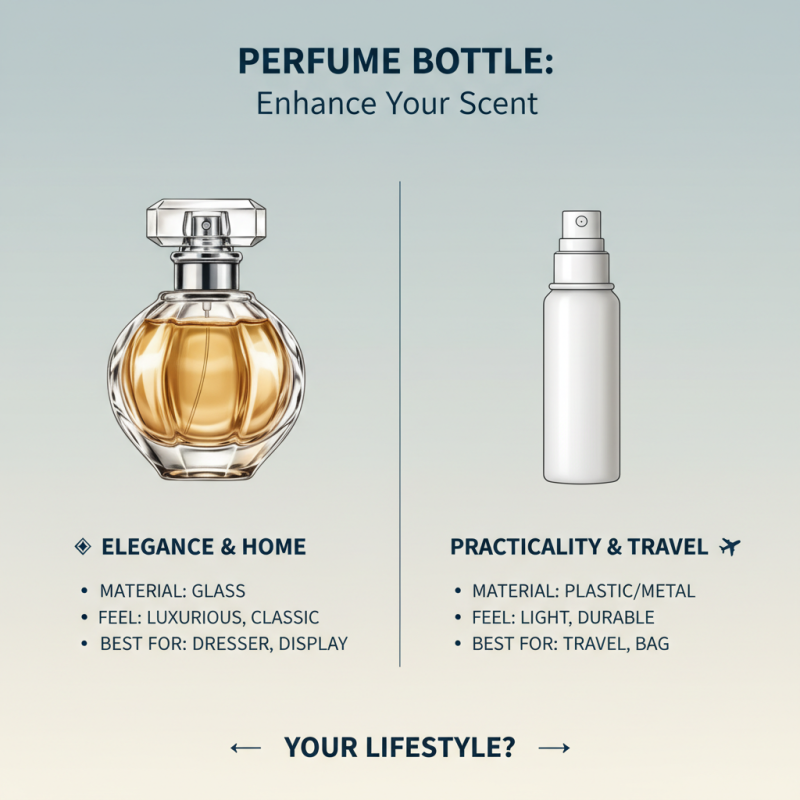
Furthermore, the function often clashes with form. Some beautifully designed bottles might not be practical for daily use. They can be tricky to hold or dispense. This duality makes us question our choices and whether we prioritize aesthetics over usability. Each bottle shines, but what about the scent itself? Balancing visual appeal and fragrance integrity can be a challenge.