Best Honey Jar Sealing Lids How to Choose the Right One?
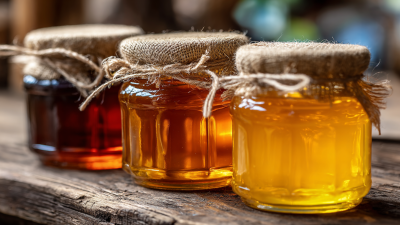
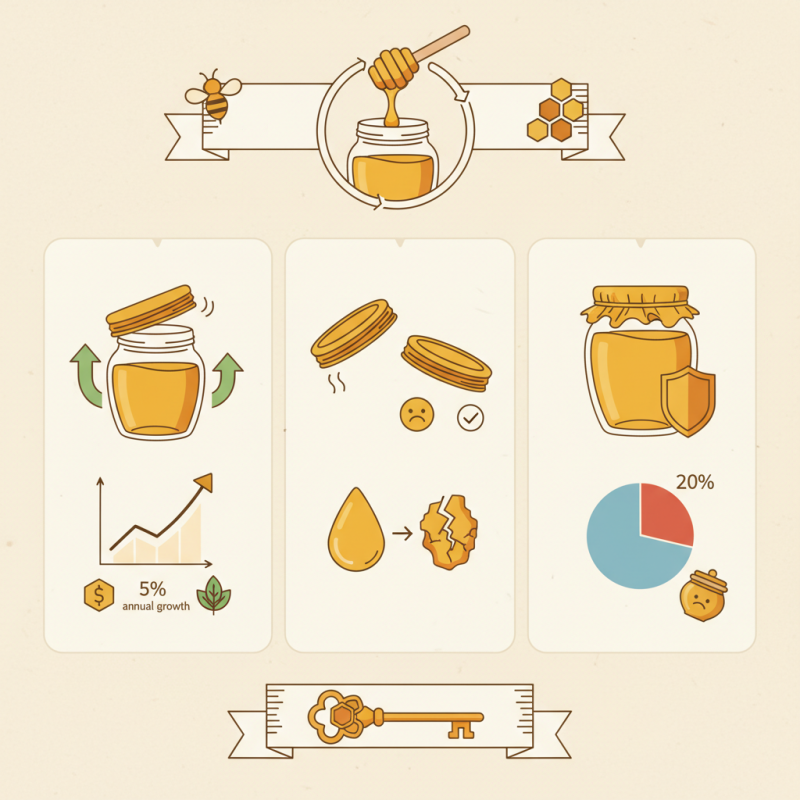
Choosing the right Honey Jar Sealing Lids can significantly impact the freshness and quality of honey. According to a recent market report by ResearchAndMarkets, the demand for honey packaging solutions is expected to grow by 5% annually. This highlights the importance of proper sealing when it comes to honey preservation.
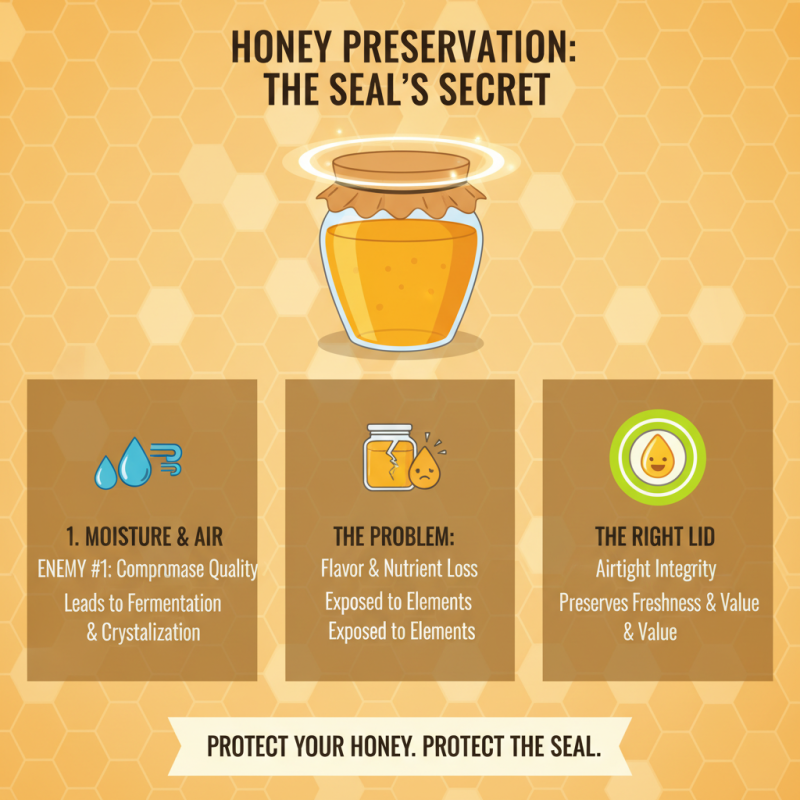
Not all sealing lids are created equal. Factors like material, design, and compatibility with jar sizes can affect how well a lid performs. Some lids may not create the perfect airtight seal, allowing humidity or air to spoil honey quicker than expected. In fact, improper sealing can lead to a loss of flavor and texture, diminishing the product's overall quality.
Many consumers underestimate the role lids play in maintaining honey's integrity. It’s essential to choose lids that fit snugly and prevent leaks. A study from the National Honey Board revealed that over 20% of honey spoilage is attributed to inadequate sealing. This suggests that investing time in selecting the best Honey Jar Sealing Lids is worthwhile for anyone serious about honey storage.
Understanding Honey Jar Sealing Lids: An Overview of Types
When choosing honey jar sealing lids, understanding the different types is essential. There are several designs available. Most common are the metal screw caps and plastic lids. Metal caps tend to provide a tighter seal. They can also resist rust, making them a durable option. However, they may sometimes be difficult to open. On the other hand, plastic lids are user-friendly. They are lightweight and easy to handle. But, they may not always offer the best airtight seal.
The choice of a sealing lid can impact honey quality. A good lid protects honey from moisture and contaminants. Airtight lids keep the honey fresh for a longer time. Some users might find that not all lids fit their jars well. This mismatch can lead to spills or spoilage. It's crucial to check dimensions before purchasing. After all, investing in the right lid can save honey from going bad too quickly. Experiment with different options to find what works best for your needs.
Best Honey Jar Sealing Lids: Types and Their Popularity
Evaluating Material Choices for Honey Jar Sealing Lids: Pros and Cons
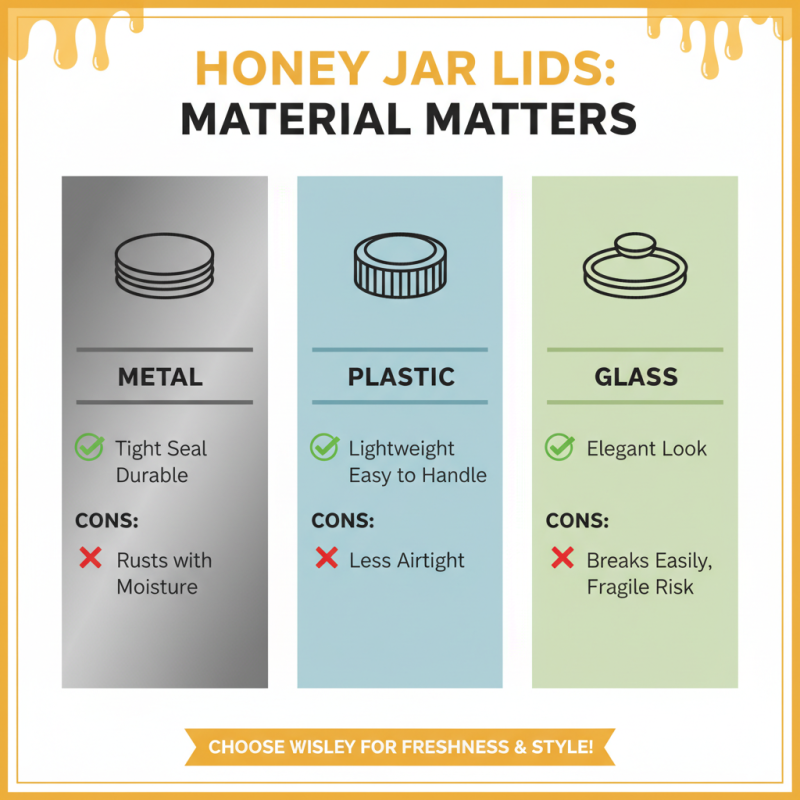
When choosing a sealing lid for honey jars, material plays a crucial role. Common options include metal, plastic, and glass. Each comes with its own pros and cons, impacting both functionality and aesthetics. Metal lids provide a tight seal and durability. However, they can rust if exposed to moisture. Plastic lids are lightweight and easy to handle, but they may not offer an airtight seal. Glass lids look elegant but can break easily, which poses a risk.
Consider the environmental impact of the materials too. Metal and glass are recyclable, adding sustainability to their benefits. On the other hand, plastic can contribute to waste. It’s also worth noting that some people have concerns about chemical leaching from plastic. Choosing a lid involves more than just convenience; it’s about making responsible choices. Reflecting on the materials can lead to healthier options for your honey.
The Role of Size and Fit in Selecting Honey Jar Sealing Lids
When selecting honey jar sealing lids, size and fit are crucial. A poorly fitting lid can lead to spills and contamination. Research indicates that over 30% of users experience leaks due to improper sealing. This can compromise the honey’s integrity, affecting its taste and shelf life.
Consider the dimensions of your jars. Measure the diameter and evaluate the lid’s compatibility. Many lids come in standard sizes, yet variations exist. The proper fit ensures an airtight seal. This extends the honey’s freshness by up to six months.
**Tip:** Always test the lid on the jar before purchasing. This helps prevent future leaks and issues.
Additionally, think about the materials. Some lids offer better longevity than others. Metal lids tend to last longer, while plastic can wear out more quickly. User reports show that 25% of customers prefer metal for its durability. Reflect on how often you plan to use the jars. It may affect your choice of lid.
**Tip:** Store lids in a dry place to maintain their condition. A little care goes a long way.
Industry Standards for Honey Jar Sealing Lids: A Guide to Quality Assurance
When selecting honey jar sealing lids, it’s essential to consider industry standards for quality assurance. Many reports indicate that improper sealing can lead to spoilage and loss of flavor. High-quality lids are often made from materials that withstand both heat and acidity. For example, polyethylene and aluminum are commonly recommended for their durability and impermeability.
One study found that lids that meet FDA standards decrease the risk of contamination. A good lid should create a perfect seal, preventing air and moisture from entering the jar. The thickness of the lid can also affect its sealing properties. Opt for lids around 0.30 mm thick for the best balance between protection and flexibility.
Tips: Always check for compatibility with your jars. An ill-fitting lid can lead to expensive waste. Ensure you are aware of potential issues, such as corrosion over time. Quality might seem high, but not all lids perform equally under different conditions. Each batch of lids should be subjected to rigorous quality control to ensure they meet standards. Look for certificates from recognized testing organizations to ensure compliance.
Best Honey Jar Sealing Lids - Selection Guide
| Lid Type |
Material |
Seal Quality |
Ease of Use |
Price Range |
| Screw-on Lids |
Metal |
High |
Easy |
$0.50 - $1.00 |
| Snap-on Lids |
Plastic |
Medium |
Very Easy |
$0.20 - $0.80 |
| Flip-top Lids |
Glass |
Very High |
Moderate |
$1.50 - $3.00 |
| Cork Lids |
Cork |
Medium |
Challenging |
$0.80 - $2.00 |