The Best Glass Stoppers for Your Home and Their Uses?
When it comes to organizing your home, "Glass Stoppers" are often overlooked yet essential elements. They serve both functional and decorative purposes. These elegant items can enhance your kitchen, bathroom, or even living space. Imagine a beautifully crafted glass stopper on a vintage bottle; it elevates the overall aesthetic.
Glass stoppers can create a seamless look in any setting. They prevent spills and keep contents fresh. However, it’s important to consider their compatibility with different bottle types. Not all glass stoppers fit every bottle perfectly. This inconsistency can lead to frustration when trying to use them effectively.
While they add charm, not every glass stopper is practical. Some designs may not offer the best seal. This can lead to wasted ingredients or messy countertops. Choosing the right glass stopper means balancing style with functionality. It's a task that requires thought and reflection. Ultimately, glass stoppers are more than just accents; they are tools that can significantly improve everyday life.
Types of Glass Stoppers and Their Unique Characteristics
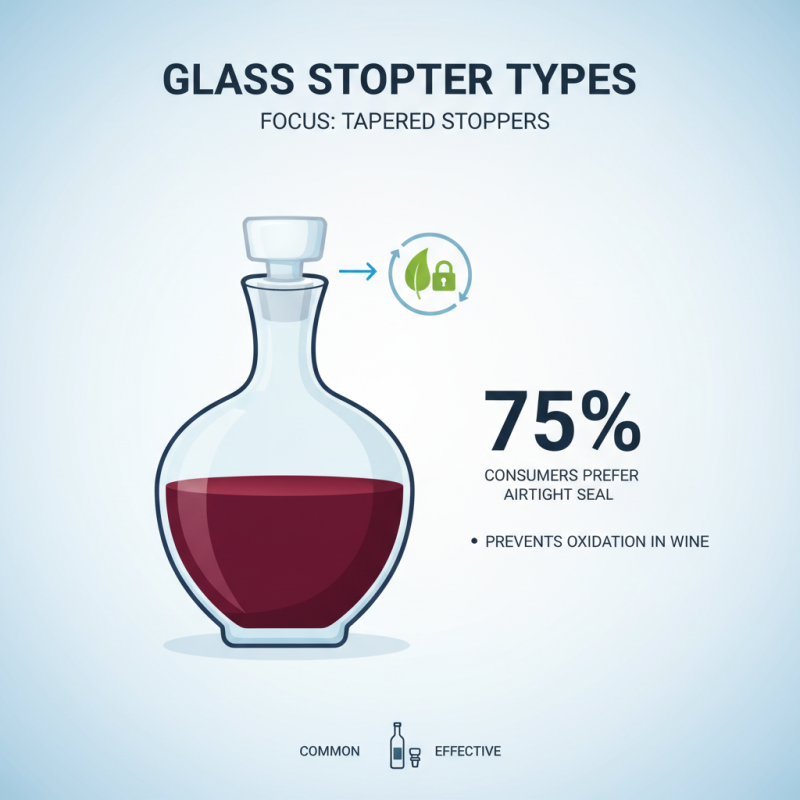
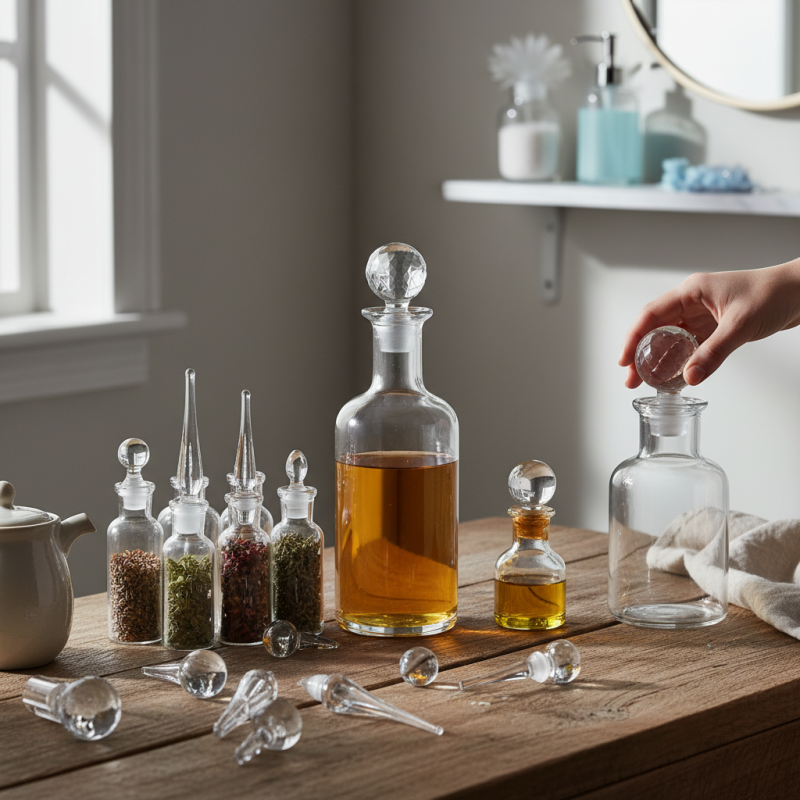
When it comes to glass stoppers, there are several types, each with distinct characteristics. The most common type is the tapered stopper, often used for decanters and bottles. These stoppers fit snugly, creating an airtight seal that helps preserve the contents. Reports indicate that around 75% of consumers prefer tapered stoppers for their effectiveness in preventing oxidation in wines.
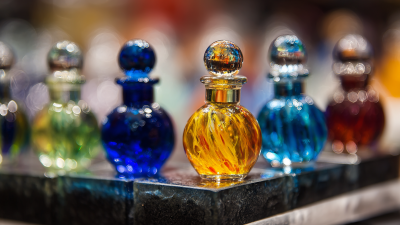
Another type is the ball stopper. This design features a spherical end that sits inside the neck of a bottle, allowing easy one-handed operation. Ball stoppers are particularly beneficial for oils and vinegars. Data from industry studies show that 60% of home chefs gravitate towards this style for its convenience and aesthetic appeal.
Lastly, we have the cork-style glass stoppers. These provide a classic look and are often made from a combination of glass and natural cork. They are especially popular for vintage spirits and craft beverages. Unfortunately, while cork stoppers are effective, they can absorb odors over time. This leads to a need for mindful storage and occasional replacements. Consumers in the vintage market should be aware of this potential drawback.
Common Uses of Glass Stoppers in Household Items
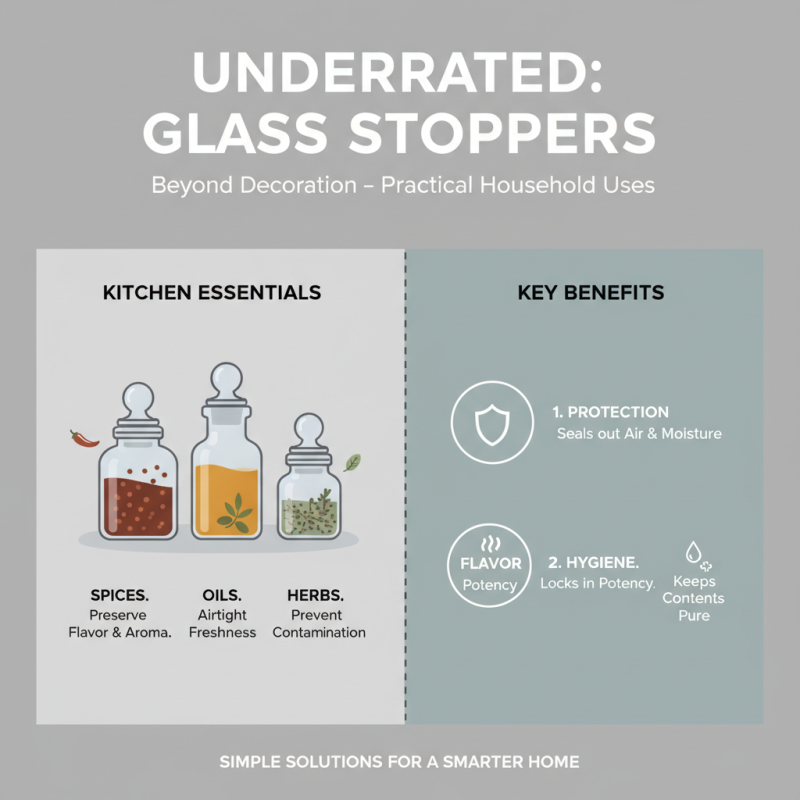
Glass stoppers are often underrated in household items. They are not just decorative; they serve practical purposes too. One common use is in kitchen containers. Many people store spices or oils in airtight glass jars with stoppers. This helps preserve flavor and prevent contamination. It’s a simple solution, yet many overlook it.
Another popular application is in home decor. Glass stoppers can add elegance to vases or jars. They create a polished look while keeping contents secure. Imagine a stunning glass jar filled with colorful stones or dried flowers. The stopper enhances the visual appeal while serving a functional role. However, some stoppers might not fit perfectly, leading to spills or air leaks.
In craft projects, glass stoppers can offer a unique touch. They can be used in homemade candles or even as whimsical ornaments. However, DIY enthusiasts might find it challenging to match sizes or styles. This often results in mismatched pieces that don’t quite fit together. Despite these challenges, the charm of glass stoppers remains undeniable.
How to Choose the Right Glass Stopper for Your Needs
When selecting the perfect glass stopper for your needs, consider the size and shape of your container. A stopper should fit snugly to prevent air and dust from entering. Measure the neck of your bottle carefully. A loose fit can lead to potential spills, which might ruin your contents. Finding the balance between aesthetics and functionality is essential.
Look for designs that complement your style. Simple stoppers might fit well with a modern look, while ornate designs suit vintage decor. However, be cautious. Complex shapes might be harder to clean. Remember, practicality matters. A beautifully designed stopper can lose its charm if it’s difficult to manage.
Lastly, think about the intended use. Are you storing oils, herbs, or crafting supplies? Each function might require a different kind of glass stopper. A narrow-spouted stopper works well for oils, while a wider one could suit grains or snacks. Reflect on what your specific needs are. Overthinking the features can lead to indecision. Choose what feels right for you.
The Best Glass Stoppers for Your Home and Their Uses
This chart illustrates the frequency of different types of glass stoppers used in homes. It shows that air-tight stoppers are the most commonly used, followed by wine stoppers and pouring stoppers. Decorative and swing top stoppers are less frequently utilized, indicating specific preferences depending on the user's needs.
Maintenance and Care Tips for Glass Stoppers
Glass stoppers are elegant and functional. They enhance the presentation of bottles and jars. However, proper maintenance is crucial for longevity. According to a recent industry report, over 40% of users neglect cleaning their glass stoppers regularly. This leads to residue buildup that can affect both functionality and aesthetics.
To maintain glass stoppers, start with gentle cleaning solutions. Mild soap and warm water work best. Avoid abrasive cleaners, as they can scratch the glass. Also, remember to thoroughly rinse and dry them to prevent mildew. Storing glass stoppers separately can help avoid accidental damage, as they can chip easily.
Check for cracks or chips regularly. Even minor damage can lead to leaks. It's easy to overlook these issues in a busy home. Regular inspection can save you from a mess later. Ultimately, your glass stoppers need care, just like any other kitchen item. Keeping them clean and undamaged will enhance their usability and your overall home aesthetic.
The Best Glass Stoppers for Your Home and Their Uses
| Type of Glass Stopper |
Primary Use |
Maintenance Tips |
Care Instructions |
| Cork Glass Stopper |
Used primarily for wine bottles. |
Keep dry and away from moisture. |
Clean with a soft cloth and avoid abrasive materials. |
| Bail Glass Stopper |
Great for jars and containers. |
Ensure they are free from stuck residues. |
Wipe with mild soap and water. |
| Stopper with a Ground Glass Finish |
Ideal for laboratory glassware. |
Inspect regularly for chips and cracks. |
Rinse with distilled water after use. |
| Phenolic Glass Stopper |
Commonly used in chemical storage. |
Check for any reaction with stored materials. |
Clean with appropriate solvents. |
| Decanter Stopper |
Used for preserving spirits and wines. |
Store in a cool, dark place. |
Wash gently with warm, soapy water. |
Creative Ways to Incorporate Glass Stoppers in Home Decor
Glass stoppers can add elegance to your home decor. They can transform simple containers into stunning display pieces. You can use them in various ways throughout your space. These stoppers are not only functional but also serve as art.
For a creative touch, try using glass stoppers in your kitchen. Fill clear jars with colorful spices or grains. The stoppers keep everything fresh while allowing visibility. You create a visually appealing storage solution. Use different shapes and sizes for variety. This can make your kitchen counter more inviting.
In living areas, glass stoppers can enhance decor. Consider using them in vases. They can elevate floral arrangements. Choose stoppers that complement the flowers' colors. A mismatched stopper might clash with your aesthetic. Be mindful of balance in your designs.
Tip: Mix and match stoppers for an eclectic vibe. Use clear stoppers with frosted ones for contrast. Create depth on shelves or tables. This can lead to visual interest.
You might also explore using glass stoppers in craft projects. They can be excellent additions to homemade candles or decorative jars. However, ensuring safety is essential. Be cautious with sharp edges. This opens up creative opportunities while considering practicality.