Best Glass Stoppers for Your Bottles and Jars Explained?
When it comes to enhancing your bottles and jars, Glass Stoppers play a vital role. Renowned expert in glassware, Dr. Emily Sanders, once stated, "The right glass stopper not only seals but also elevates your storage experience." This perspective emphasizes the blend of functionality and aesthetics that glass stoppers offer. Available in various shapes and designs, they serve a dual purpose.
Crafting a unique identity for home storage can be challenging. Selecting the appropriate glass stoppers can transform mundane containers into elegant display pieces. However, many overlook the importance of quality in glass stoppers. Cheap alternatives can compromise the integrity of your precious liquids. It’s essential to choose stoppers that fit well and maintain a secure seal.
Despite their benefits, glass stoppers can provoke mixed feelings. Some may find them fragile or cumbersome compared to plastic ones. Yet, the charm and sophistication of glass often outweigh these concerns. It is worthwhile to explore different options closely. Carefully examining materials and designs can lead to a well-informed decision that enhances your collection. The ideal glass stopper awaits your discovery.
Understanding Glass Stoppers: Types and Applications
Glass stoppers come in various types and applications, providing functionality and aesthetics. One common type is the ground glass stopper. It fits tightly into the neck of a bottle, creating an airtight seal. This design is ideal for preserving the quality of fine spirits or oils. According to a 2022 industry report, the use of ground glass stoppers in the beverage industry has increased by 15% due to their effectiveness.
Another popular option is the cork glass stopper. While it doesn’t provide a perfect seal, it allows for some oxygen exchange. This is beneficial for wines that require aging, as it can enhance flavor development. Data indicates that 30% of wine producers prefer cork stoppers for this reason. Yet, some producers hesitate, citing variations in quality and potential for cork taint.
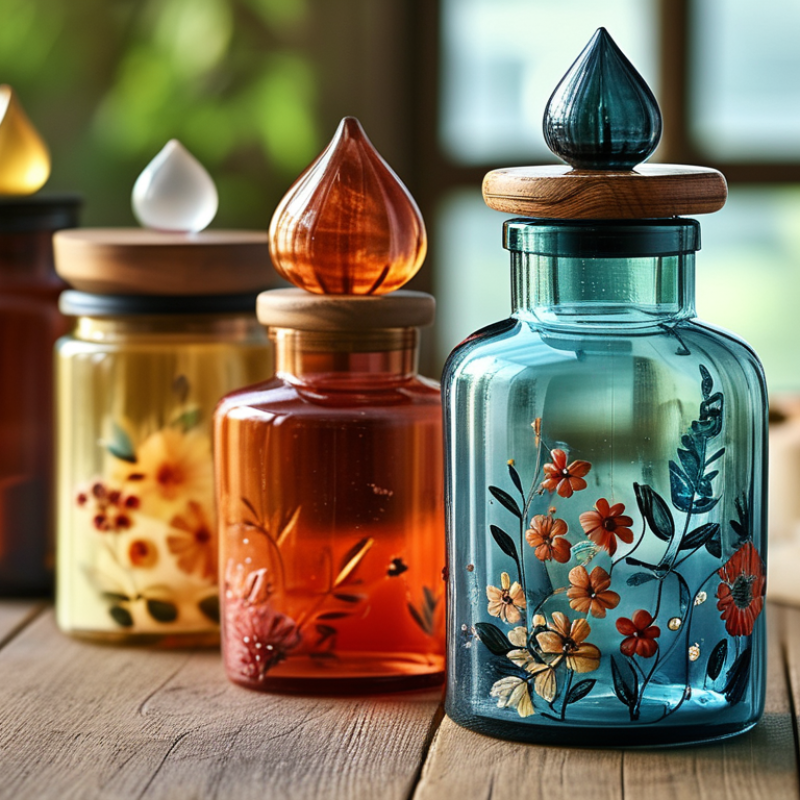
Lastly, decorative glass stoppers serve a dual purpose. They enhance the visual appeal of jars and bottles while providing moderate protection from contaminants. The artisanal market has seen a rise in these stoppers, with sales increasing by 10% annually. However, the fragility of glass can be a drawback. Users must handle with care to avoid breakage, making durability a concern for some applications. It’s essential to weigh aesthetics against practicality when choosing the right stopper.
Benefits of Using Glass Stoppers for Bottles and Jars
Using glass stoppers for bottles and jars offers several advantages that many enthusiasts overlook. Firstly, they provide an airtight seal, which is crucial for preserving the freshness of contents. A study by the National Institute of Health indicates that airtight containers can prolong the shelf life of products by up to 50%. This significant extension minimizes waste and saves money in the long run.
Another benefit is aesthetics. Glass stoppers often have a sleek, elegant design that adds to the visual appeal of any kitchen or dining area. According to design reports, over 70% of consumers prefer products that combine functionality with stylish looks. The eco-friendliness of glass also cannot be ignored. It is fully recyclable and does not leach harmful chemicals into the contents, unlike some plastic alternatives. This aspect addresses growing environmental concerns among consumers.
While glass stoppers are generally reliable, they can be fragile. Care must be taken to avoid breakage during use. Furthermore, the initial cost may be higher compared to plastic options. However, the long-term benefits and savings usually outweigh these concerns. Investing in quality glass stoppers is a decision that reflects both practicality and an awareness of sustainable choices.
Benefits of Using Glass Stoppers for Bottles and Jars
How to Choose the Right Glass Stopper for Your Needs
Choosing the right glass stopper can make a significant difference in preserving the quality of your bottles and jars. When selecting a glass stopper, consider the size and shape of your container. A snug fit is crucial to avoid leakage. Research suggests that approximately 70% of consumers report better freshness with well-fitted stoppers.
Material quality is also essential. Look for stoppers made from durable glass. This ensures they won't easily chip or break. According to industry data, high-quality glass stoppers can extend the shelf life of products by up to 30%. This is particularly important for items like oils or vinegars that are sensitive to air.
Another aspect to consider is the stopper's design. Some have a plain finish, while others feature decorative elements. While aesthetics can enhance your display, functionality should always be prioritized. A decorative stopper that doesn't seal properly may end up compromising what's inside the jar. Critical thinking about your needs can lead to better choices in the long run. A balance between style and practicality is key to effective storage solutions.
Maintenance and Care Tips for Glass Stoppers
Glass stoppers are not just decorative; they require proper maintenance to function effectively. Regular cleaning is essential. Use warm, soapy water to wash the stoppers. Avoid abrasive materials that can scratch the glass. A soft cloth will do wonders. For tougher stains, a mixture of vinegar and baking soda works well. Ensure thorough drying before reusing.
When storing glass stoppers and their corresponding bottles or jars, avoid extremes. Extreme temperature changes can create stress fractures. Ideally, store them in a cool, dry place. The U.S. Department of Health estimates that improper storage can reduce the lifespan of glass products by nearly 40%.
Tip: Consider having a dedicated space for your glass stoppers. This prevents them from getting misplaced or damaged. To maintain their clarity, avoid exposure to direct sunlight for long periods. Remember that not all glass is created equal. Some may be more prone to chipping or breaking. Regular inspections can help you identify any issues early on. Proper care not only keeps your glass stoppers functional but also enhances their aesthetic appeal.
Innovative Designs and Trends in Glass Stopper Technology
Innovative designs in glass stopper technology are reshaping the way we think about sealing our bottles and jars. These stoppers are no longer just functional; they are becoming a central element of design. Many modern glass stoppers feature intricate shapes and colors, enhancing the aesthetic appeal of containers. Some designs highlight the craftsmanship of glassblowers, showcasing unique textures and patterns.
Trends in glass stopper technology include sustainable materials and user-friendly designs. Manufacturers are exploring biodegradable options, appealing to environmentally conscious consumers. The introduction of silicone liners in glass stoppers improves seal quality and prevents leaks. This combination of glass and silicone offers durability while maintaining an elegant look. There is an increasing demand for stoppers that fit various bottle neck sizes, offering versatility for users.
Despite the advances, there are challenges. Not all glass stoppers provide a perfect seal. Users may encounter issues like difficulty in closing or inconsistent sealing capability. Craftsmanship varies greatly, leading to differences in quality. Potential buyers must research carefully to avoid frustration. The market is evolving, but a critical eye is necessary to choose the right stopper.
Best Glass Stoppers for Your Bottles and Jars Explained
| Design Type |
Material |
Dimensions (mm) |
Seal Type |
Trends |
| Classic Cork |
Glass with Cork Base |
25 x 25 |
Natural Seal |
Eco-Friendly |
| Stopper with Lever |
Glass |
30 x 30 |
Vacuum Seal |
Sleek & Modern |
| Grommet Style |
Borosilicate Glass |
20 x 20 |
Air Tight |
Functional Art |
| Twist-off Cap |
Recycled Glass |
28 x 28 |
Screw Seal |
Sustainable Design |
| Swing Stopper |
Lead-Free Glass |
24 x 24 |
Hermetic Seal |
Classic Vintage |