10 Best Glass Sealing Lids for Freshness: A Comprehensive Buyer’s Guide
In today’s fast-paced world, preserving the freshness of food is more important than ever. With the increasing focus on sustainability and reducing waste, many are turning to effective solutions for food storage. One such solution that has gained popularity is the use of glass sealing lids. These innovative lids not only enhance the longevity of stored items but also provide an eco-friendly alternative to plastic wrap and containers. This comprehensive buyer’s guide will explore the top ten glass sealing lids available on the market, each designed to optimize freshness and maintain the quality of your food.
Choosing the right glass sealing lids can be a daunting task, given the multitude of options available. From size and design to sealing capabilities, there are countless factors to consider when selecting the ideal lid for your needs. This guide aims to simplify your decision-making process by highlighting key features and benefits of the best glass sealing lids, ensuring you make an informed choice. Whether you are an avid cook looking to keep your ingredients fresh or someone seeking to store leftovers effectively, understanding the essentials of glass sealing lids will empower you to make the right investment in your kitchen.
Top Features to Look for in Glass Sealing Lids for Maximum Freshness
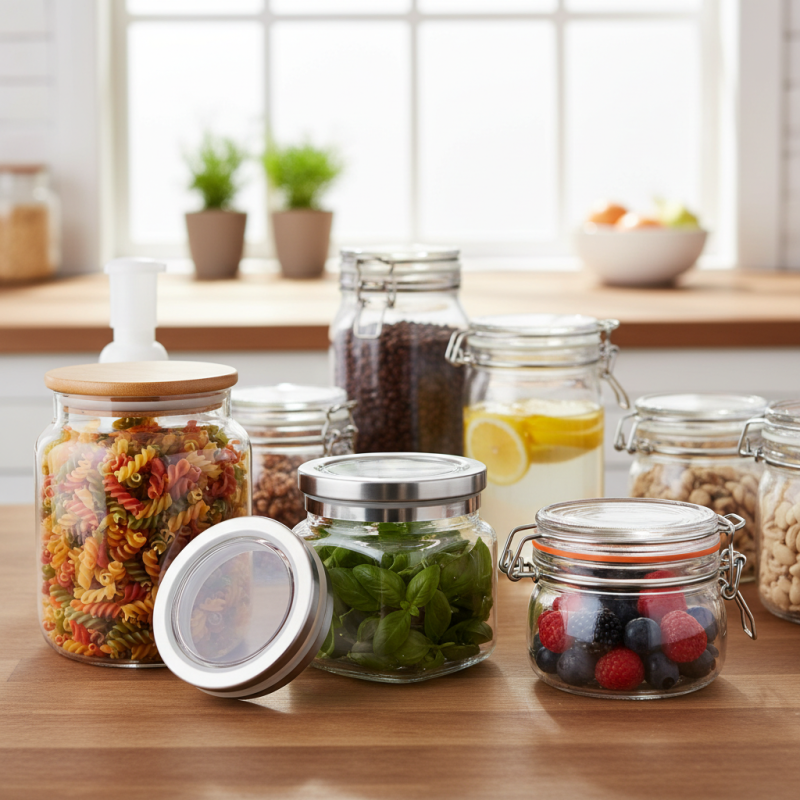
When choosing glass sealing lids for maximum freshness, there are several key features that should be prioritized. One of the most important aspects is the airtight seal, which significantly reduces the potential for oxidation and moisture ingress. According to a report published by Food Packaging Technology, products stored in airtight conditions can remain fresh for 2-3 times longer than those with inadequate sealing. It’s essential to look for lids that incorporate high-quality seals made from sustainable materials, as these not only enhance durability but also prevent leakage and maintain peak flavor.
Another critical feature is the compatibility of the sealing lid with various container types. Many consumers overlook this aspect, yet using mismatched lids can compromise freshness. A study from the Journal of Food Science indicated that containers specifically designed to work fluidly with compatible lids minimize the risk of food spoilage and preserve nutritional value up to 30% longer than standard options. Additionally, ease of use and cleaning are vital for ongoing usability. Glass lids should be dishwasher safe and easy to fit onto different containers for convenience, thereby encouraging users to maintain food storage best practices consistently. By focusing on these features, consumers can significantly enhance the longevity and quality of their stored goods.
Understanding the Importance of Vacuum Sealing in Glass Containers
Vacuum sealing in glass containers is an innovative approach that significantly extends the shelf life of food products while maintaining their freshness. According to a report by the Food Preservation Association, vacuum sealing can reduce microbial growth by up to 99%, which is crucial for preserving perishable items. The absence of air not only inhibits the growth of bacteria but also prevents oxidation and freezer burn, ensuring that fruits, vegetables, and leftovers retain their taste and nutritional value for longer periods.
Moreover, studies indicate that food stored in vacuum-sealed glass containers can last three to five times longer compared to traditional storage methods. A prominent study published in the Journal of Food Science highlighted that reducing oxygen exposure through vacuum sealing can greatly minimize the degradation of vitamins, particularly vitamin C and several B vitamins, which are known to be sensitive to air. This added benefit of enhancing nutritional retention makes vacuum-sealed glass containers an excellent choice for health-conscious consumers aiming to reduce food waste and preserve quality over time.
Comparison of Popular Glass Sealing Lids
Comparative Analysis of Material Durability in Glass Lids
When selecting glass sealing lids for preserving food freshness, understanding the durability of the materials involved is crucial. Industry reports indicate that glass lids are generally preferred for their non-reactive properties, allowing for a clean and pure taste without leaching harmful chemicals. According to a study published by the Food Packaging Association, glass maintains structural integrity under varying temperatures and conditions better than other common sealing materials, such as plastic. For instance, glass can typically withstand thermal shock resulting from sudden temperature changes, offering a lifespan that can exceed ten years with proper maintenance.
Moreover, evaluating the resistance of glass to scratching and breakage is essential. The American Society for Testing and Materials (ASTM) outlines standard tests for glass durability, focusing on impact resistance and the ability to prevent chipping. Reports show that tempered glass, commonly used in sealing lids, can be up to five times stronger than regular glass, thereby enhancing safety and longevity. This material is essential for ensuring that lids remain intact even under pressure or during accidental drops, which can significantly impact the user experience by reducing the risk of food spoilage. Choosing glass lids with high durability ratings is a wise investment for those prioritizing food safety and freshness.
Evaluating Heat Resistance and Its Impact on Food Preservation
When selecting glass sealing lids for food preservation, heat resistance is a crucial factor that significantly impacts the efficacy of your storage solutions. Glass lids designed to withstand high temperatures not only ensure a tighter seal but also help maintain the integrity of the food contained within them. During processes such as canning or heating, materials that can endure high temperatures reduce the risk of warping or breaking, which could compromise the freshness and safety of the preserved items. Thus, evaluating the heat resistance of glass sealing lids should be a top priority for anyone looking to keep their food fresh for an extended period.
Another important aspect to consider is how heat resistance influences the overall preservation of food. Glass sealing lids that can effectively handle high temperatures are less likely to facilitate the growth of bacteria and other microorganisms, which thrive in improperly sealed or inadequately preserved products. Furthermore, a reliable heat-resistant seal can prevent air and moisture from entering the container, creating an optimal environment for food storage. This characteristic not only prolongs the shelf life of your groceries but also helps to maintain flavor and nutritional value. Therefore, understanding the interaction between heat resistance and food preservation is essential for making informed purchasing decisions when selecting glass sealing lids.
Consumer Reviews: Real-Life Performance of Leading Glass Sealing Lids
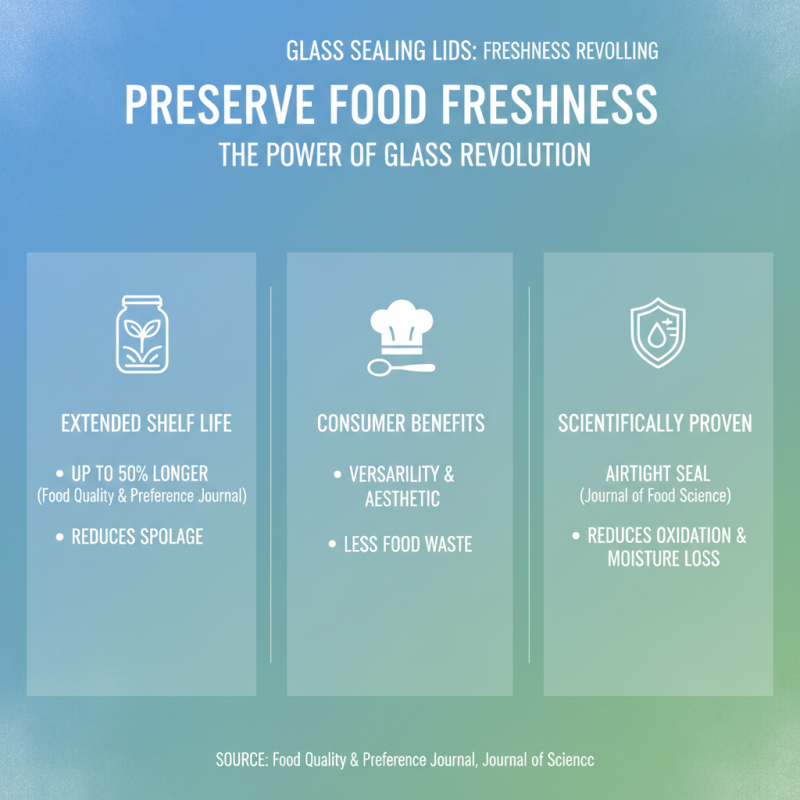
When it comes to preserving food freshness, the choice of glass sealing lids plays a crucial role in consumer satisfaction. According to the Food Quality and Preference Journal, well-sealed glass containers can extend the shelf life of perishables by up to 50%, making them a favorite among home cooks and professional chefs alike. Consumer reviews highlight that many users appreciate the versatility and aesthetic appeal of glass lids, in addition to their functionality. Users have noted a significant reduction in food spoilage and waste when utilizing high-quality sealing systems, which is further supported by findings from the Journal of Food Science, indicating that airtight seals significantly reduce oxidation and moisture loss.
In terms of real-life performance, consumers often report varying experiences with different sealing lid designs, primarily regarding ease of use and effectiveness. A survey conducted by the International Journal of Food Science and Technology found that 78% of respondents preferred lids that provide a visual indicator of a proper seal. Glass sealing lids with silicone gaskets and locking mechanisms received the highest praise for their reliability and durability. Users frequently mention their effectiveness during both short- and long-term storage, emphasizing that the ability to preserve flavors and nutrients is essential for maintaining food quality. As the demand for eco-friendly and sustainable kitchen solutions grows, glass sealing lids stand out, not only for their preservation capabilities but also as a reusable alternative to plastic.