Best Glass Bottle Caps for Every Use and How to Choose?
In today's world, the importance of choosing the right glass bottle caps cannot be overstated. Renowned expert in sustainable packaging, Dr. Emily Carter, once stated, “The right cap can make or break the product experience.” This highlights the pivotal role that glass bottle caps play in preserving contents and enhancing user satisfaction.
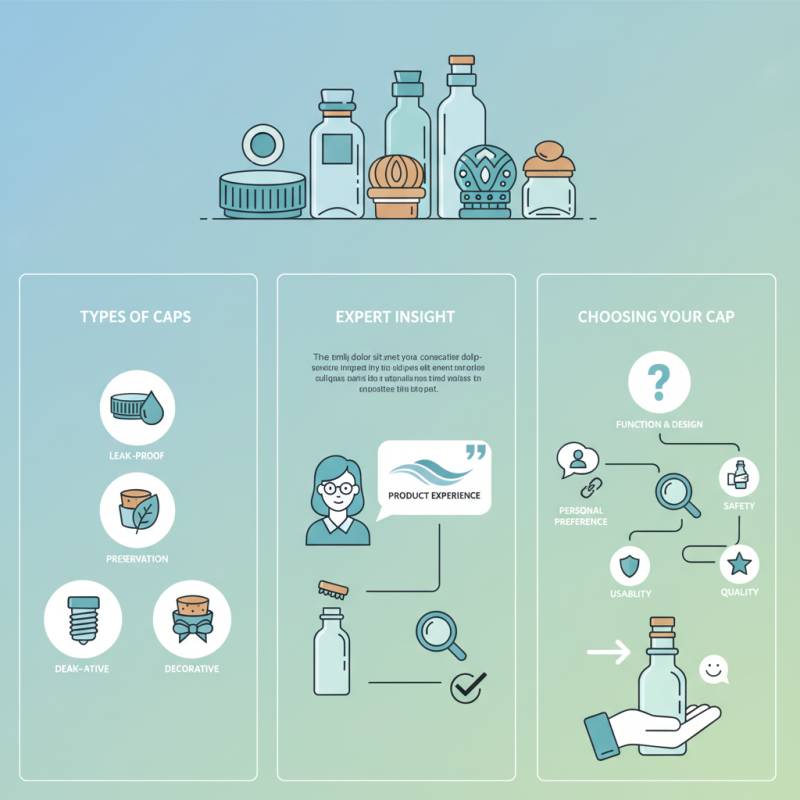
The market offers various types of glass bottle caps, each designed for specific uses. From leak-proof closures to decorative options, selecting the best cap is essential for functionality. Crafting, preserving, and serving beverages necessitates careful consideration. Consumers often overlook the impact of a cap on freshness and convenience.
It's not just about sealing a bottle; it’s about ensuring quality. Many individuals struggle with choosing the right glass bottle caps. Reflecting on personal preferences, they might realize that their choices don't always align with practicality. Examining options can lead to better decisions, enhancing both safety and usability. By understanding the function and design of these caps, one can enjoy a more enriching experience with every bottle.
Understanding Glass Bottle Caps: Types and Materials
Glass bottle caps serve crucial roles in preserving the contents of bottles. Understanding their types and materials is essential. The most common materials are plastic, metal, and cork. Each type has unique properties. For example, metal caps provide excellent sealing properties. They protect the contents from air and moisture but can rust over time.
Plastic caps are lightweight and versatile. They can be molded into various shapes and sizes. However, they may not provide the best seal compared to metal. Data suggests that about 25% of consumers prefer glass bottles for beverages. This choice often extends to the type of cap, as many associate glass with higher quality. Cork caps remain popular for wine, with a recent report indicating that over 40% of wine drinkers favor cork over synthetic alternatives.
Choosing the right cap is more than just aesthetic. Compatibility with the bottle is crucial. A cap that doesn’t fit well can lead to spills or contamination. Some caps, while convenient, may warp with heat exposure. This highlights the importance of evaluating both functionality and materials. Angering environmentalists, some plastic caps can take hundreds of years to decompose. This raises questions about sustainability. Every choice matters when selecting caps for glass bottles.
Best Glass Bottle Caps for Every Use and How to Choose
| Type of Cap |
Material |
Best For |
Features |
| Screw Cap |
Plastic |
Everyday Uses |
Easy to close and reopen, good seal |
| Cork Stopper |
Natural Cork |
Wine and Spirits |
Natural material, allows some air flow |
| Flip Top Cap |
Glass and Plastic |
Soda and Juices |
Re-sealable, convenient for drinks |
| Pump Cap |
Plastic |
Condiments and Oils |
Controlled dispensing, prevents spills |
| Injection Molded Cap |
Plastic |
Beverages |
Customizable design, tight seal |
Key Factors to Consider When Choosing Glass Bottle Caps
Choosing the right glass bottle cap is essential for various uses. When selecting caps, consider the material. Some caps are made of plastic, while others are metal. Each type interacts differently with contents. The cap’s sealing ability is crucial. A secure seal prevents spills and maintains freshness. Check if the cap fits the bottle perfectly. Loose caps can lead to leaks.
Another factor is the ease of use. Some caps require twisting, while others are snap-on. Consider who will use the bottles. Elderly individuals or children may struggle with challenging caps. Visual appeal also matters. Aesthetic designs can enhance the overall look of your bottles. However, functionality should never be compromised for style.
Think about the cap's reuse potential. Some designs are durable and can be reused multiple times, while others are not. Think about sustainability too. Purchasing recyclable caps can contribute to eco-friendly practices. Make sure you weigh your options. Mistakes in selection can lead to frustration later. Test different styles to see what works best for you. Simple experiments can yield the best results.
Best Practices for Selecting Caps for Various Uses
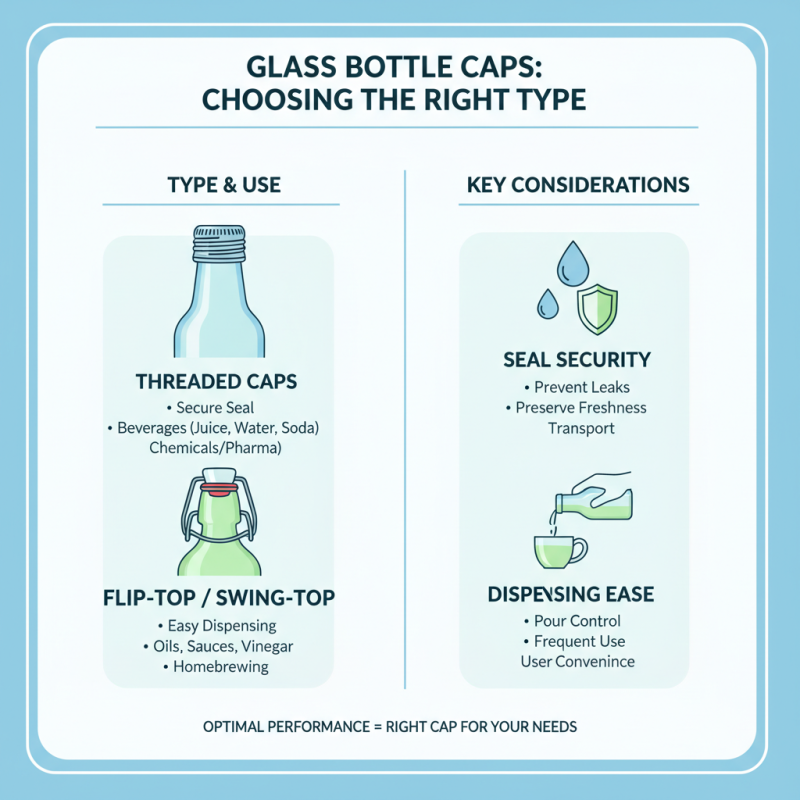
Choosing the right glass bottle cap requires attention to detail. Different uses demand specific features. For example, threaded caps offer a secure seal for beverages, while flip-top caps are practical for sauces or oils. Understanding your needs is essential for optimal performance.
When selecting caps, consider the material. Plastic caps are lightweight and versatile. Metal caps are durable and provide excellent sealing. However, some materials may react with certain liquids. You must ensure compatibility to avoid spoilage.
Tips for selection:
1. Assess the liquid being stored. Is it acidic, carbonated, or neutral? This impacts the cap material choice.
2. Check the size and fit of the cap. A loose cap can lead to leaks, while an overly tight cap can be challenging to open.
3. Think about the frequency of use. For everyday items, ease of opening is vital. For long-term storage, focus on secure sealing.
You should reflect on these aspects to make an informed decision.
Top Recommendations for Different Types of Glass Bottles
When it comes to glass bottle caps, the right choice can significantly impact functionality. Different types of glass bottles require specific caps to ensure they preserve contents effectively. For example, research indicates that over 30% of consumers prefer airtight seals for beverages. This highlights the importance of choosing the right cap for your glass bottles.
For bottled drinks, consider using corks or screw caps. Both provide excellent sealing properties, ensuring that carbonation is maintained. A recent industry report revealed that over 50% of consumers value the freshness of bottled drinks, which directly links to the choice of cap. Keeping it fresh is crucial, especially in the competitive beverage market. However, some may overlook compatibility issues between the bottle neck and cap size. This oversight can lead to leaks and spoilage.
When storing oils and vinegars, glass medicine jars often use plastic caps. While they are lightweight, users should weigh the trade-offs. Plastic caps might not provide the same barrier to light and air. Yet, they are easier to handle and less prone to shattering. In contrast, some glass bottles may benefit from flip-top closures, offering easy access. But a potential drawback exists here, as these can wear out quicker than screw caps. Be mindful of the long-term implications of your cap choice.
Care and Maintenance Tips for Glass Bottle Caps
When it comes to glass bottle caps, proper care is essential for longevity. Regular cleaning can prevent residue buildup. Use warm, soapy water for cleaning. Rinse thoroughly to ensure no soap remains. Avoid using abrasive materials that can scratch the surface. A gentle cloth works well for drying.
Inspect caps often for signs of wear. Cracks can develop over time and may lead to leaks. Do not hesitate to replace damaged caps. They might not seem critical now, but they can spoil your contents. Store caps in a cool place to maintain their shape. Heat can warp them.
If you have cork or natural material caps, extra care is needed. They can absorb moisture and odors. Occasionally soaking them in a vinegar solution can help. Just make sure to rinse afterward. Above all, be mindful of how you handle your glass bottles. Careless actions can lead to chips or cracks. Handle them with attention.