Top Benefits of Using Reusable Glass Lids for Food Storage?
In today's world, sustainability is key. Many people seek ways to reduce waste in their kitchens. One solution is using reusable glass lids for food storage. These lids are eco-friendly and durable. They come in various sizes, fitting most containers. Unlike single-use plastics, reusable glass lids support a greener lifestyle.
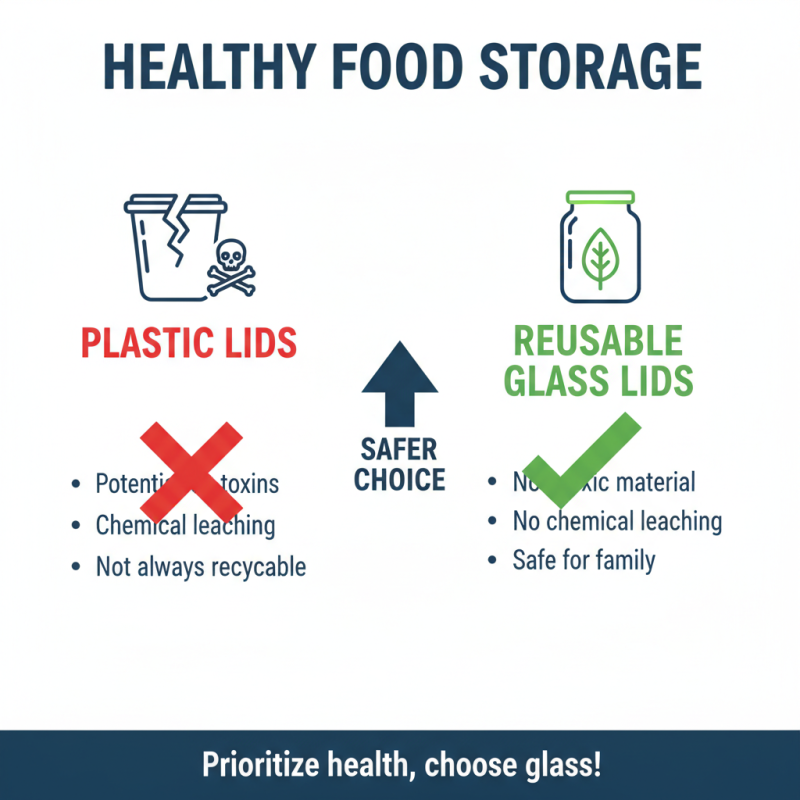
One of their prominent advantages is safety. Glass does not leach harmful chemicals into food. This is a significant concern with plastic lids. Reusable glass lids help prolong the freshness of meals. They create a tighter seal, keeping food safe for longer. However, they can be heavier and more fragile. Users must handle them with care.
Although many embrace these lids, some resist change. Old habits die hard, especially when it comes to convenience. Switching to reusable glass lids may require more effort. But the benefits are clear and worth considering. Choosing reusable glass lids is a step toward sustainable living. Embracing this change can lead to a healthier future.
Key Advantages of Reusable Glass Lids in Food Storage Solutions
Reusable glass lids have gained popularity in food storage solutions due to their numerous advantages. According to industry reports, using glass rather than plastic can significantly reduce environmental waste. Plastic accounts for nearly 50% of the total waste produced worldwide. Glass lids, being reusable, help minimize this concerning statistic.
They also offer superior freshness. Studies show that glass is less permeable than plastic, preventing odor absorption. This quality keeps your food tasting fresh longer. Not only that, but glass lids are generally safer. They do not contain harmful chemicals often found in plastic alternatives, making them a healthier choice for food storage.
However, there are challenges with glass lids. They can be heavier than plastic options, which may deter some users. Breakage is another concern, as glass can shatter under certain conditions. These issues highlight the importance of being mindful when using and storing glass lids. Balancing these pros and cons leads to more informed choices in food storage.
Environmental Impact: Why Glass Lids Are More Sustainable Than Plastic
The environmental impact of using reusable glass lids for food storage is significant. According to the Environmental Protection Agency (EPA), plastic accounts for about 12% of municipal solid waste in the United States. This is a staggering figure, considering that plastics take centuries to decompose. Glass lids, however, are recyclable and can be reused countless times without degrading. A report from the International Journal of Environmental Research indicates that using glass instead of plastic can reduce carbon emissions by 50% over a lifecycle.
Moreover, glass lids offer better food preservation. They do not leach harmful chemicals into food, which is a common issue with plastic containers. Studies show that chemicals like BPA can disrupt endocrine functions in humans and wildlife. By switching to glass, consumers not only enhance their health but also contribute to a more sustainable planet. Each user of reusable glass lids helps reduce the need for new plastic production, decreasing fossil fuel dependency.
It’s important to acknowledge that even glass production has environmental costs. The energy used in glass manufacturing can contribute to carbon emissions. However, the trade-off is worthwhile. Over time, the benefits of reusability and recycling in glass containers outweigh the initial environmental impact during production. Making this switch means taking a step towards more sustainable living while holding ourselves accountable for our consumption habits.
Health Benefits: Safeguarding Food with Non-Toxic Glass Materials
When it comes to food storage, health should always be a priority. Reusable glass lids offer a non-toxic solution for safeguarding your meals. Unlike plastic, glass does not leach harmful chemicals into food. This makes glass a safer choice for your family’s health.
Moreover, glass is durable and resistant to staining. You can use it for various foods without worrying about unwanted odors or flavors. Over time, plastic can wear down and release toxins. This is not a concern with glass. The secure fit of glass lids helps reduce exposure to air. This can keep your food fresher for longer.
While glass lids may seem fragile, they’re often sturdier than they appear. However, handling them with care is essential. Dropping them can lead to breakage. It's important to evaluate your kitchen habits and storage methods. Some prefer the ease of plastic. Still, transitioning to glass could lead to healthier choices. Reflecting on what we use daily is crucial for our wellbeing.
Versatility of Glass Lids: Uses Beyond Just Food Storage
Reusable glass lids are more than just food storage solutions. Their versatility extends into various areas of everyday life. For instance, they can double as a protective cover for mixing bowls or even as a serving dish during gatherings. According to a report by the Food Packaging Association, over 50% of consumers cite convenience and versatility as key factors in their choice of food storage options.
Beyond kitchen use, these glass lids also serve in artistic ways. Crafters use them for DIY projects, creating decorative candle holders or plant pot covers. Their aesthetic appeal makes them suitable for home décor. Interestingly, a survey from Eco-Friendly Living found that 30% of users appreciate repurposing items to promote sustainability. Despite this, some may hesitate to embrace glass due to concerns about breakage or the initial cost.
In addition, glass lids are easy to clean and maintain. They can withstand high temperatures and are generally dishwasher-safe. This contributes to reduced waste, aligning with the growing trend towards eco-conscientious living. However, the durability of glass must be balanced against the risk of accidental damage, an aspect that requires careful consideration.
Cost-Effectiveness: Long-Term Savings with Reusable Glass Lids
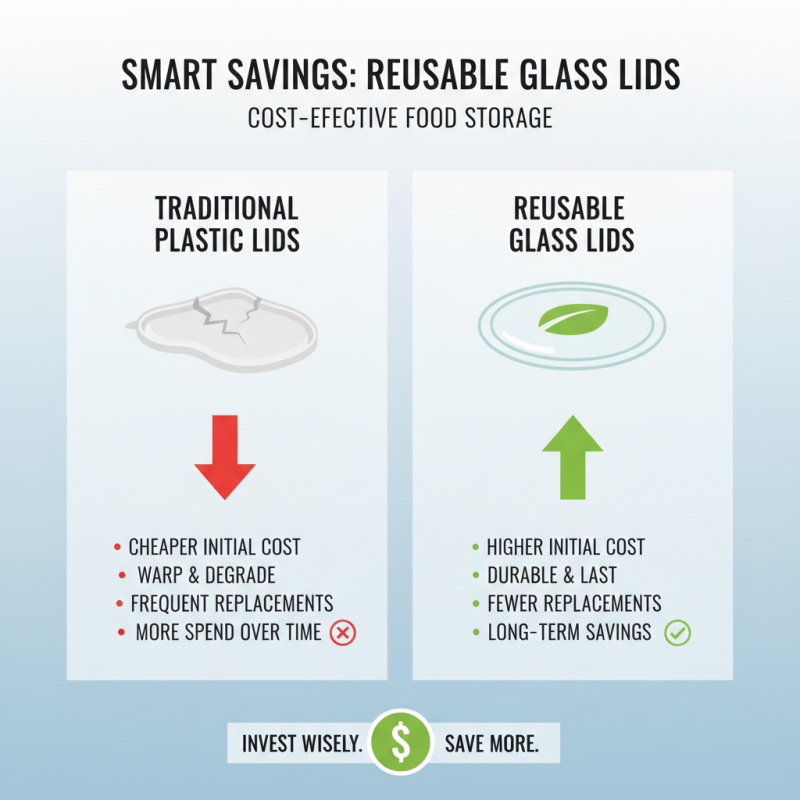
Reusable glass lids have gained popularity in food storage for various reasons. One key benefit is their cost-effectiveness. While they might seem more expensive at first, their durability leads to long-term savings. Unlike plastic lids, glass lids do not warp or degrade over time. This means fewer replacements and, ultimately, reduced spending. Investing in these lids can pay off, especially for families or individuals who frequently cook.
Another crucial detail is their ability to keep food fresh. Glass provides a better seal than many plastic options. This means your leftovers stay edible longer, reducing food waste. Even though glass lids can occasionally chip or crack, careful handling and regular inspection can help keep them in good shape. It’s essential to recognize that not every glass lid is perfect. Some may need trial and error to find the right fit for various containers.
In addition, cleaning glass lids is generally straightforward. Most can simply go in the dishwasher, saving time and effort. However, if stubborn stains occur, manual scrubbing might be required. This could lead to some frustration but is often worth the clean results. Ultimately, the small challenges of using reusable glass lids are minor compared to the benefits they bring. They represent a sustainable choice that contributes to both personal savings and environmental health.