What Are the Benefits of Using Frosted Glass Lids for Storage?
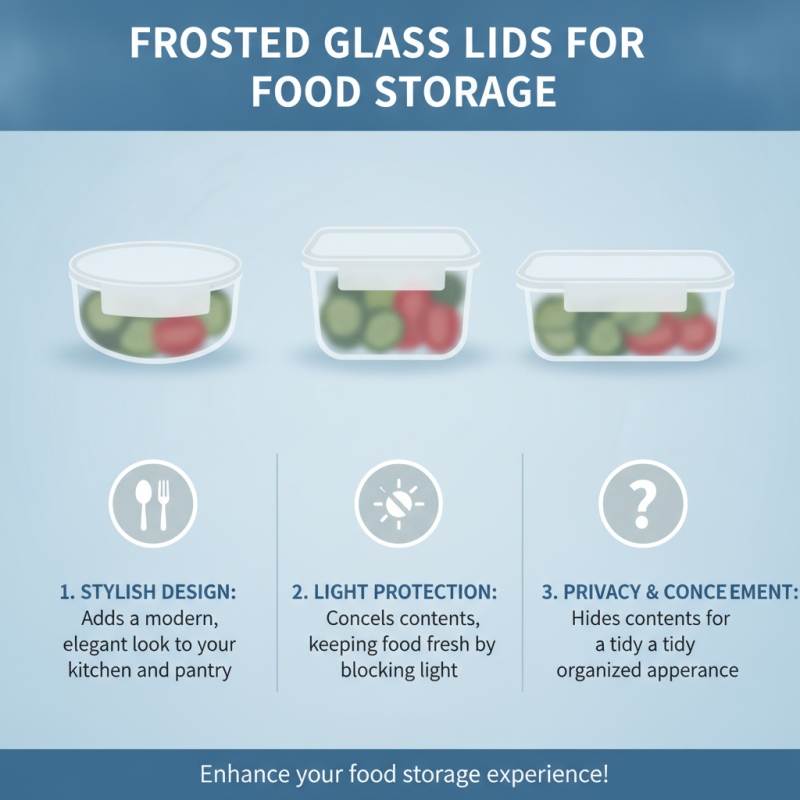
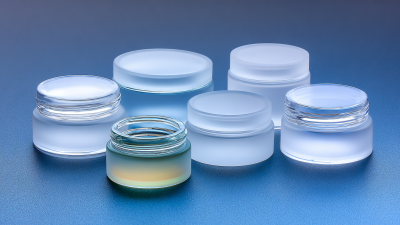
Frosted Glass Lids have become a popular choice for storage solutions in modern homes. They combine elegance with functionality. The soft texture of frosted glass offers a unique aesthetic appeal that enhances any kitchen or storage area. This design element not only looks attractive but also helps maintain privacy for the contents stored within.
Using Frosted Glass Lids also provides practical benefits. They are easy to clean and resistant to stains. Their durable nature means they can withstand daily use without losing their charm. However, one must consider their weight compared to plastic alternatives, which can be a drawback for some. Additionally, while they offer visual style, not all frosted glass is created equal. The quality and thickness can vary, impacting both durability and appearance.
Ultimately, choosing Frosted Glass Lids for storage requires thoughtful consideration. They do offer a blend of beauty and utility, yet the balance between aesthetics and practicality needs reflection. Are they the right fit for your lifestyle? It's essential to weigh the pros and cons before making a decision.
Benefits of Frosted Glass Lids in Food Storage: An Overview
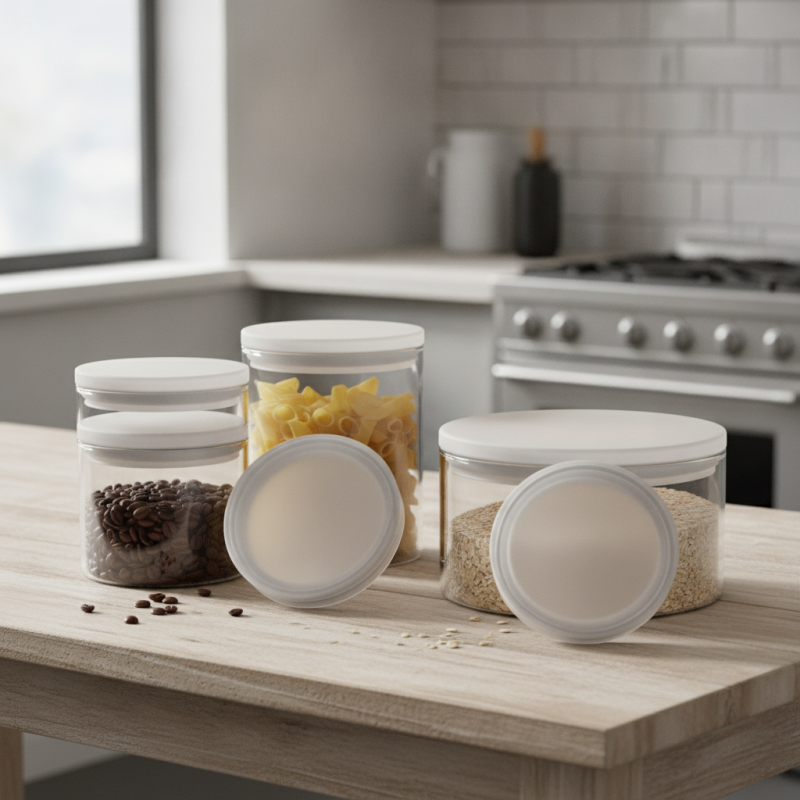
Frosted glass lids are an excellent addition to food storage. They provide a stylish touch while enhancing functionality. The frosted texture makes it easy to conceal contents. This is particularly useful when you want to keep food fresh without exposing it to light.
Another key advantage is their durability. Unlike plastic lids, frosted glass lids are less likely to warp or break down over time. They resist staining and odors, maintaining a clean and fresh appearance. This makes them ideal for long-term storage of a variety of foods. However, care is needed; dropping them can still cause shattering.
Moreover, frosted glass is non-reactive. It doesn't leach chemicals into food like some plastics might. This ensures that your meals stay safe and uncontaminated. Yet, one must also ponder accessibility. Frosted glass lids can sometimes be heavier than traditional lids. This may create inconvenience when quick access is needed. Balancing aesthetics and practicality is essential for effective food storage solutions.
Impact of Frosted Glass on Food Preservation and Shelf Life
Frosted glass lids are an excellent choice for food storage. They enhance food preservation by limiting exposure to light and air. This can prevent the oxidation of food items, keeping them fresher for longer. The textured surface also helps block UV rays, which can degrade certain foods. When stored properly, the shelf life of fruits, vegetables, and leftovers can significantly increase.
Tips: Use frosted glass containers for your leftovers. They reduce unpleasant odors and maintain original flavors. Additionally, always let hot foods cool down before sealing with a lid. This helps prevent condensation, which can promote mold growth.
The aesthetic appeal of frosted glass adds a stylish touch to your kitchen. However, this can lead to overestimating the duration of food freshness. Be mindful to check the food quality regularly. While frosted lids are beneficial, they do not replace proper food handling practices. Cleanliness and organization are equally important for maximizing shelf life.
Enhanced Aesthetic Appeal: How Frosted Glass Lids Elevate Kitchen Design
Frosted glass lids not only serve practical purposes but also enhance the aesthetic appeal of kitchen spaces. Their soft, diffused surface transforms ordinary jars into elegant storage solutions. A frosted glass lid can complement various design themes, from modern minimalism to rustic charm. It casts a subtle glow, creating a serene atmosphere that draws attention.
The texture of frosted glass adds a touch of sophistication. Unlike clear glass, which can appear plain or overly utilitarian, frosted glass softens the overall look. This unique finish can hide some imperfections in stored items, which is both beneficial and visually appealing. However, it can also lead to forgetting what is inside. This might discourage organization. Regularly reviewing contents is essential to maximize efficiency.
Incorporating frosted glass lids into kitchen design invites creativity. They work well with wooden shelves and marble countertops, creating a luxurious feel. Yet, the challenge lies in maintaining cleanliness. Fingerprints and smudges can obscure the beauty. Striking a balance between style and maintenance is crucial. The right choice of frosted glass can elevate kitchen storage while prompting thoughtful attention to upkeep.
Comparison of Frosted Glass vs. Plastic Lids in Food Safety Standards
Frosted glass lids provide an excellent alternative to plastic lids for food storage. They don't leach harmful chemicals into food. This makes them a safer choice, especially for hot or acidic items. Plastic lids can contain substances like BPA, which is a concern for many health-conscious consumers. Using glass eliminates this risk, ensuring that your food remains uncontaminated.
Another vital advantage is the durability of frosted glass. These lids resist scratches and stains more effectively than plastic. While plastic can warp or discolor over time, glass maintains its clarity and functionality. This longevity means fewer replacements, making it cost-effective in the long run.
However, there are considerations with glass lids. They are heavier and can shatter if dropped. This requires more cautious handling in busy kitchens. For those with children, it might not be an ideal option. A balanced approach is crucial when deciding between glass and plastic. Each material has its merits and drawbacks. Ultimately, your choice should reflect your storage needs and family safety.
What Are the Benefits of Using Frosted Glass Lids for Storage? - Comparison of Frosted Glass vs. Plastic Lids in Food Safety Standards
| Feature |
Frosted Glass Lids |
Plastic Lids |
| Food Safety |
Higher safety standards, BPA-free |
Possible BPA and chemical leaching |
| Durability |
Highly durable; resistant to scratches and dents |
Less durable; prone to scratches and deformation |
| Temperature Resistance |
Safe for high temperatures; oven-safe |
Low temperature resistance; may warp at high temperatures |
| Aesthetic Appeal |
Elegant and modern look |
Functional but less visually appealing |
| Recyclability |
100% recyclable |
Varies depending on type; often not recyclable |
| Cost |
Higher initial cost |
Lower initial cost |
Environmental Benefits of Using Frosted Glass Lids Over Plastic Options
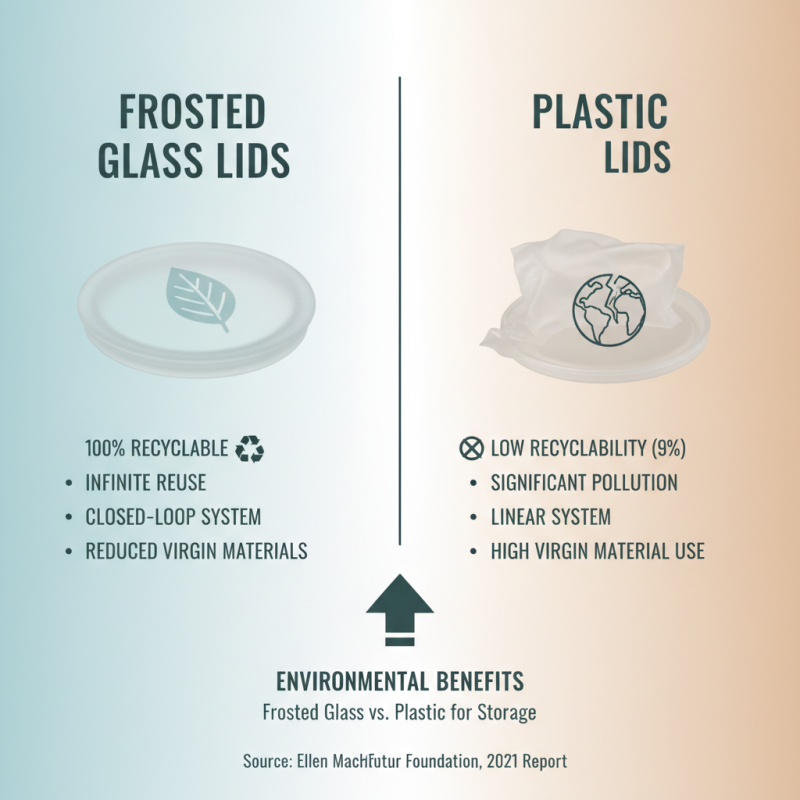
When it comes to storage solutions, frosted glass lids present an environmentally friendly alternative to plastic options. According to a 2021 report by the Ellen MacArthur Foundation, plastics contribute significantly to global pollution, with only 9% ever recycled. In contrast, glass is 100% recyclable and can be reused without losing quality. This creates a closed-loop system, reducing the need for virgin materials.
Frosted glass lids not only minimize waste but also lower carbon emissions. A study by the U.S. Environmental Protection Agency (EPA) highlighted that manufacturing glass emits significantly fewer greenhouse gases compared to plastic production. Additionally, glass can help keep food fresher for longer, reducing the frequency of purchases and, therefore, the resources used in transportation and packaging.
However, there are challenges. While glass is durable, it is also heavier than plastic, which can affect shipping costs and transportation emissions. Not all frosted glass products can be recycled locally, leading to potential disposal issues. Consumers need to be aware of local recycling guidelines to ensure true sustainability. The transition to frosted glass lids involves both benefits and complexities that require thoughtful consideration.