2026 Top Wine Bottles Trends What Should You Know?
As we approach the year 2026, the world of wine bottles is evolving rapidly. Industry expert James Anderson, a renowned sommelier, notes, “The future of wine bottles lies in sustainability and innovation.” This statement reflects the changing mindset of wine consumers who seek quality and eco-friendliness in their choices.
Wine bottles today are not only for storage but also serve as a statement. Unique shapes, colors, and materials are trending. For example, lightweight bottles reduce carbon footprints, while elegant designs attract younger audiences. However, some producers struggle to balance innovation with tradition. This creates a tension in the industry, as classic wine lovers may resist change.
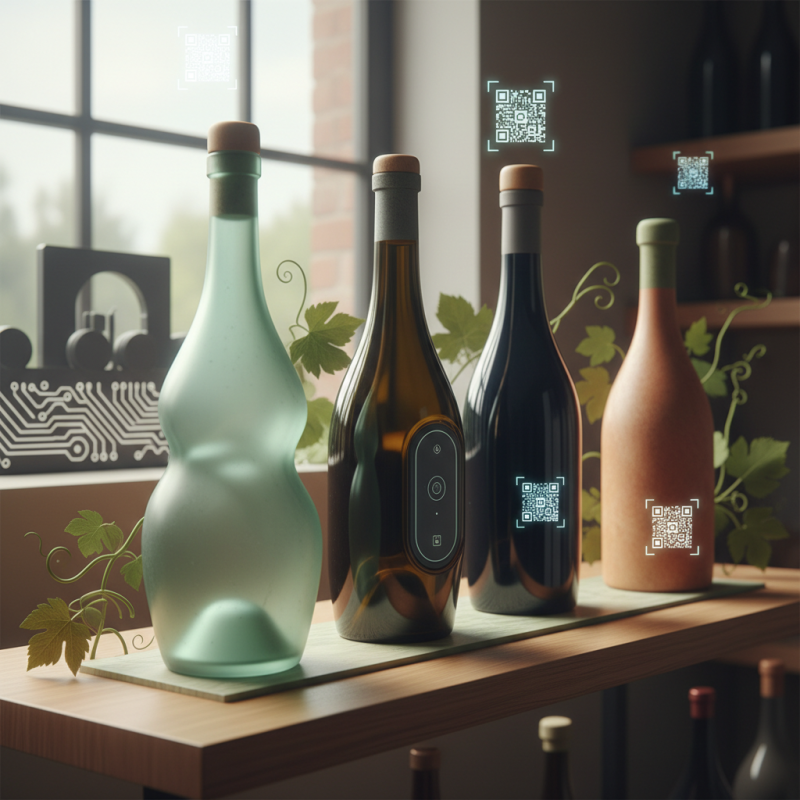
The impact of technology also plays a significant role. Smart labels and QR codes on wine bottles can provide consumers with detailed information. Yet, many are apprehensive about embracing these advancements. As we turn towards 2026, the question remains: How will the wine bottles of the future reflect both heritage and progress? This blend of tradition and modernity may define the next chapter in the art of winemaking.
2026 Wine Bottle Trends: An Overview of Emerging Styles and Varieties
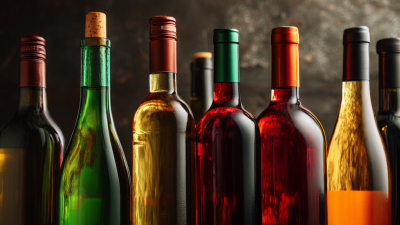
The wine industry is witnessing shifts that resonate deeply with consumer preferences. Emerging styles in wine bottles showcase a blend of tradition and innovation. For instance, lighter glass bottles are gaining traction. They are not only eco-friendly but easier to handle. Many are opting for these bottles, reflecting growing environmental awareness. Clear glass packaging is also popular. This allows vibrant wine colors to shine through, enticing buyers.
In 2026, more unique shapes will emerge on the market. These creative designs promise to enhance shelf appeal. Wine enthusiasts enjoy visual diversity, which adds to the experience. However, functional aspects like cork size and sealing techniques will still be critical. Some designs may prioritize aesthetics over practicality, which can lead to challenges.
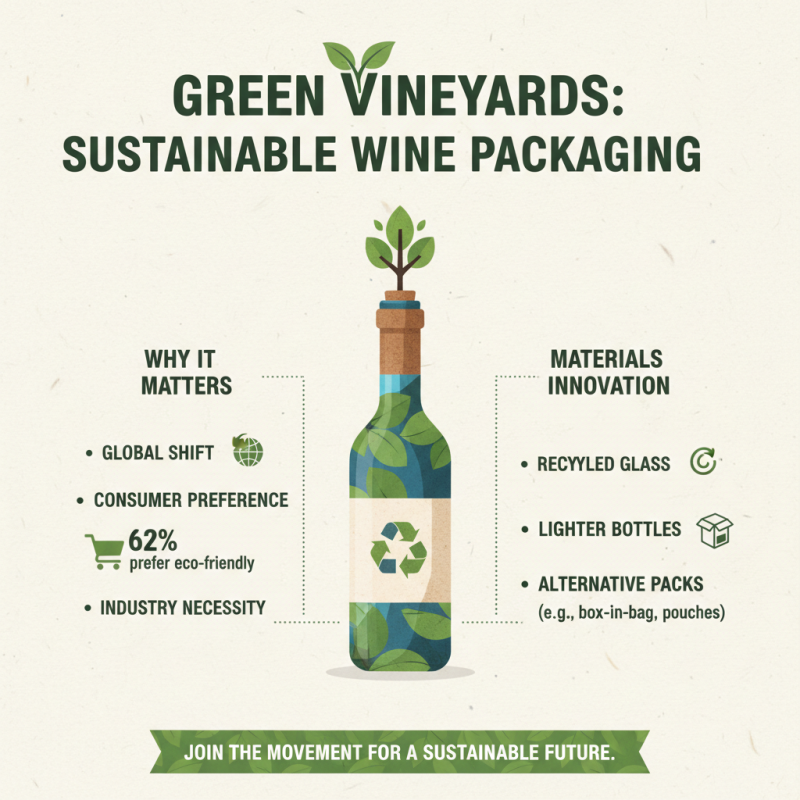
Sustainability remains a leading trend. Many new bottle designs incorporate recycled materials. This reduces environmental impact but raises questions about quality. Some may wonder if these bottles can maintain flavor integrity. As we explore these trends, the balance between style, function, and sustainability will be essential. Innovations will play a crucial role in shaping future wine experiences.
2026 Top Wine Bottles Trends
This chart displays the projected trends in wine bottle styles and varieties for 2026, highlighting the popularity of different types based on market research.
The Rise of Alternative Wine Containers: Insights and Market Data
The wine industry is evolving. In recent years, alternative wine containers have gained popularity. Many consumers are turning away from traditional glass bottles. According to a recent market report, over 25% of wine sales are now from alternative packaging solutions. This trend reflects changing consumer preferences.
Cans, boxes, and even pouches are becoming commonplace. These containers offer convenience and sustainability. For instance, aluminum cans are lighter and recyclable. Studies show that transporting cans requires less energy. This reduction in carbon footprint appeals to eco-conscious consumers.
Tip: Consider the container type when selecting wine. Different materials can affect taste. For example, cans may introduce a metallic flavor if not lined properly.
The rise of these alternative options may challenge traditional norms. Some wine lovers may wonder about taste quality. However, winemakers are experimenting and improving their products. It’s essential to keep an open mind about new formats. Trends indicate that alternative containers are here to stay.
Tip: Try different formats at your next gathering. Encourage friends to sample wines in cans or boxes. You might discover unexpected favorites!
2026 Top Wine Bottles Trends What Should You Know? - The Rise of Alternative Wine Containers: Insights and Market Data
| Container Type |
Market Share (%) |
Growth Rate (CAGR) |
Consumer Preference (%) |
Environmental Impact Rating (1-10) |
| Eco-Friendly Packaging |
25% |
15% |
60% |
9 |
| Canned Wine |
18% |
12% |
70% |
8 |
| Bag-in-Box |
20% |
10% |
50% |
7 |
| Pouch Packaging |
10% |
20% |
40% |
6 |
| Glass Alternatives (Composite Materials) |
27% |
11% |
55% |
8 |
Consumer Preferences Shift: Impact on Wine Bottle Design and Marketing
In recent years, consumer preferences have dramatically shifted, influencing wine bottle design and marketing strategies. A 2023 industry report highlighted that 74% of consumers prefer sustainable packaging. Eco-friendly materials are now a requirement, not just an option. This trend urges wineries to rethink their packaging choices. Many brands experiment with plant-based inks and recyclable bottle materials. Those that embrace sustainability often see increased sales.
Moreover, visuals play a crucial role in consumer choice. A survey showed that 68% of buyers are drawn to unique label designs. Creativity in label art can catch a buyer's eye on crowded shelves. Yet, not all brands effectively communicate their story. Some fail to convey quality through their design. This oversight can diminish the perceived value of the product.
Understanding the target demographic is essential as well. Younger consumers, especially Gen Z, seek authenticity and transparency. They are more likely to support brands that align with their values. A significant 52% of this demographic checks product origins. Wine producers must adapt marketing strategies accordingly to meet these evolving expectations.