2025 Ultimate Guide: How to Choose the Best Water Bottles for Every Need
As we look ahead to 2025, the importance of choosing the right water bottles cannot be overstated. With an ever-growing market flooded with options, making an informed decision tailored to individual needs is essential. Renowned hydration expert Dr. Lisa Greene emphasizes this point by stating, “Selecting the right water bottle is not merely about style; it’s about functionality, sustainability, and personal preference.”
In this comprehensive guide, we will explore various types of water bottles designed to meet diverse requirements, whether for athletic pursuits, everyday hydration, or eco-friendly choices. The features of water bottles have evolved, catering to the contemporary consumer's needs, including insulation, material safety, and ease of use. Our aim is to equip you with the knowledge necessary to navigate this landscape, ensuring that your choice enhances both your hydration experience and lifestyle.
Join us as we delve into the intricacies of the water bottle industry, uncovering the ideal options tailored to every scenario. By understanding factors such as material, size, and design, you can make an informed choice that supports your health, well-being, and environmental consciousness.
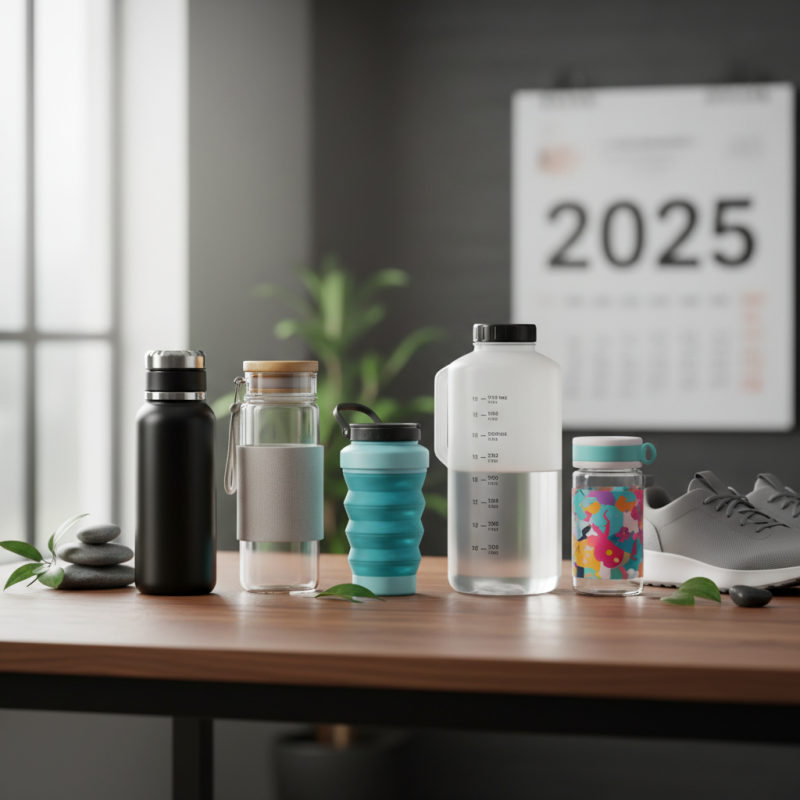
Understanding the Different Types of Water Bottles Available in 2025
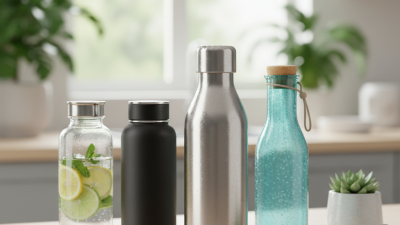
When choosing the best water bottles in 2025, it's essential to understand the different types available to suit various needs. The market has expanded significantly, offering options ranging from stainless steel and glass to plastic and collapsible designs. According to recent industry reports, the reusable water bottle market is projected to grow to $10 billion by 2025, driven by environmental awareness and a shift towards sustainable products. Each material presents unique benefits: stainless steel bottles are durable and excellent for temperature retention, while glass bottles provide a pure taste and are easy to clean.
When selecting a water bottle, consider your specific lifestyle requirements. For athletes, insulated bottles that keep beverages cold are ideal, while hikers may prefer lightweight, collapsible options that save space. A study by the National Institute of Health indicates that hydration significantly affects physical performance, thus highlighting the importance of choosing the right bottle for activity levels.
**Tips:** Always look for bottles with BPA-free materials to ensure safety. Additionally, consider features like built-in filters for on-the-go refills and designs that fit in standard cup holders for convenience during travel. Personalization options, such as customizable colors or sizes, can also enhance your drinking experience.
Key Materials Used in Water Bottles: Pros and Cons for Everyday Use
When selecting the best water bottle for everyday use, understanding the key materials can significantly influence your decision. The most common materials include stainless steel, plastic, and glass, each with its own set of advantages and disadvantages. Stainless steel bottles are praised for their durability and insulation properties, keeping drinks cold or hot for extended periods. However, they can be heavier and more expensive than their plastic counterparts. Additionally, stainless steel is resistant to rust and is often a more sustainable option due to its longevity, making it an appealing choice for environmentally conscious consumers.
Plastic bottles, on the other hand, are lightweight and typically more affordable, making them popular for on-the-go lifestyles. They are available in a variety of shapes and sizes and may also offer vibrant colors and designs. However, one must be cautious about the type of plastic used, as some can leach chemicals over time, especially when exposed to heat or prolonged sunlight. Lastly, glass bottles provide a non-toxic option and do not retain flavors or odors. While they are easy to clean and environmentally friendly, they are less portable due to their weight and fragility. Understanding these pros and cons will help you choose the ideal water bottle tailored to your lifestyle needs.
2025 Ultimate Guide: How to Choose the Best Water Bottles for Every Need - Key Materials Used in Water Bottles: Pros and Cons for Everyday Use
| Material |
Pros |
Cons |
Best For |
| Stainless Steel |
Durable, Insulated, Resistant to corrosion |
Can be heavy, More expensive |
Outdoor activities, Traveling |
| Plastic (BPA-Free) |
Lightweight, Affordable, Variety of designs |
Less durable, Can retain odors |
Everyday use, School |
| Glass |
Pure taste, Reusable, Environmentally friendly |
Breakable, Heavier than plastic |
Office, Home |
| Collapsible Silicone |
Portable, Flexible, Lightweight |
Less durable, Quality varies |
Traveling, Hiking |
How to Choose the Right Size Water Bottle Based on Daily Hydration Needs
When selecting the ideal water bottle, understanding your daily hydration needs is crucial. The National Academies of Sciences, Engineering, and Medicine suggests adequate daily water intake is approximately 3.7 liters for men and 2.7 liters for women, which translates to about 13 cups and 9 cups, respectively. This figure varies based on individual factors such as activity level, climate, and overall health. By considering these recommendations and personal lifestyle, you can determine an appropriate bottle size that ensures you stay adequately hydrated throughout the day.
If you lead an active lifestyle, you might require a larger capacity bottle, such as a 1-liter or 32-ounce bottle, to meet your hydration demands during workouts. On the other hand, for those whose daily activities are less strenuous, a smaller bottle of 500 milliliters or 16 ounces may suffice. A report from the Beverage Marketing Corporation highlights that consumers are increasingly turning to reusable bottles as part of their health and sustainability efforts, emphasizing the importance of selecting a size that encourages consistent water consumption without the need for frequent refills. Choosing the right size water bottle not only contributes to better hydration but also aligns with a growing trend of mindfulness towards health and the environment.
Daily Hydration Needs: How to Choose the Right Size Water Bottle
Evaluating Features: Insulation, Ease of Cleaning, and Portability in Bottles
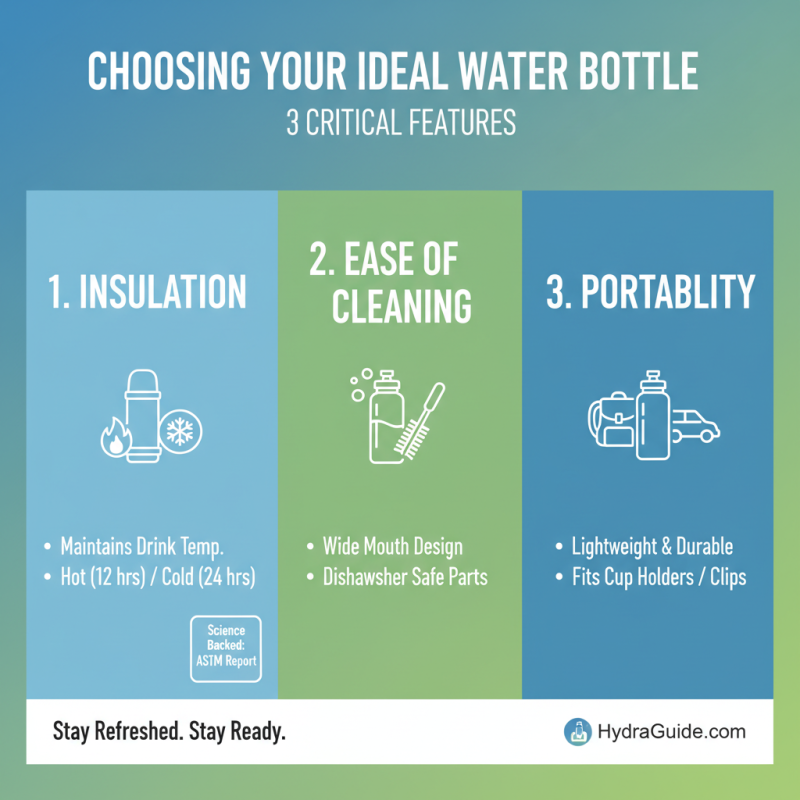
When choosing the best water bottles, three critical features to evaluate are insulation, ease of cleaning, and portability. Insulation is essential for maintaining the temperature of your beverages, whether you need your water cold on a hot summer day or your coffee hot during chilly mornings. According to a report by the American Society of Testing and Materials, vacuum insulated bottles can keep liquids hot for up to 12 hours and cold for as long as 24 hours, making them ideal for long outings or daily commutes. This functionality is particularly beneficial for individuals engaging in outdoor activities or long-distance travel, where access to refreshingly cold or piping hot drinks may be limited.
Ease of cleaning is another vital factor to consider. Research indicates that nearly 60% of bottle users express concerns about how difficult their bottles are to clean, which can lead to bacterial growth. Selecting bottles with wide mouths or those that are dishwasher safe can significantly reduce the time and effort required for maintenance. A study from the Journal of Environmental Health also highlights that the design of water bottles plays a key role in preventing contamination, as narrower openings can trap residue and bacteria more easily.
Finally, portability is crucial for active lifestyles. Lightweight materials and practical designs enable easy transport without compromising on capacity. A survey conducted by the Sports and Fitness Industry Association found that 72% of consumers prioritize lightweight options when selecting a water bottle for travel or exercise. Therefore, it's important to assess the weight and design of a bottle to ensure it meets your activity needs while being easy to carry.
Environmental Impact: The Role of Water Bottles in Sustainability Efforts
The environmental impact of water bottles is a critical conversation in the realm of sustainability. According to a report by the EPA, approximately 60 million plastic water bottles are thrown away every day in the United States alone, contributing significantly to the 2.1 million tons of plastic waste generated annually. This staggering figure highlights the urgent need for consumers to consider the environmental implications of their water bottle choices. Opting for reusable bottles not only reduces waste but also conserves the resources used in manufacturing single-use plastics.
Moreover, a study published in the journal Science Advances reveals that nearly 79% of plastic waste ends up in landfills or the natural environment. This underscores the importance of transitioning to sustainable materials, such as stainless steel, glass, or biodegradable options, which can significantly reduce the ecological footprint associated with traditional plastic bottles. By making informed decisions, individuals can actively participate in sustainability efforts and help mitigate the detrimental effects of plastic pollution on our planet. Embracing reusable water bottles not only promotes healthier lifestyles but also contributes to a more sustainable future.